
Welcome to the calming and deeply rewarding world of paint-by-numbers! If you've ever wanted to paint but felt a little intimidated by a blank canvas, you're in the right place. Think of it as a guided painting experience—a bit like a grown-up coloring book that leaves you with a real piece of art. It’s the perfect way to unwind, tap into your creative side, and watch a beautiful image come to life right before your eyes.
Your First Brushstroke into Creative Fun
Let's be honest, staring at an empty canvas can be daunting. Paint-by-number kits take all that pressure away. Everything you need is right in the box: a pre-printed canvas with numbered sections, tiny pots of acrylic paint that match those numbers, and a few brushes.
There’s no need to stress about composition, color theory, or drawing skills. The roadmap is already laid out for you. Your only job is to match the paint to the number and enjoy the simple, satisfying process of filling it all in.
This straightforward approach is why the hobby has become so popular. The worldwide market for canvas painting kits was recently valued at a staggering $800 million, and it's growing at about 8% each year. Acrylic paint kits are the clear favorite, making up around 60% of all sales, mostly because the paint is affordable and dries quickly.
A Relaxing and Rewarding Experience
More than just a craft, painting by numbers is a fantastic way to practice mindfulness. The focused, repetitive motion of filling in each little section helps calm a busy mind, melts away stress, and can even improve your concentration. Many people find it incredibly meditative—a perfect escape from the daily grind.
The real magic of paint-by-numbers is that amazing sense of accomplishment. You start with a simple numbered outline and, step-by-step, you create a vibrant, detailed painting. It's proof that anyone can be an artist.
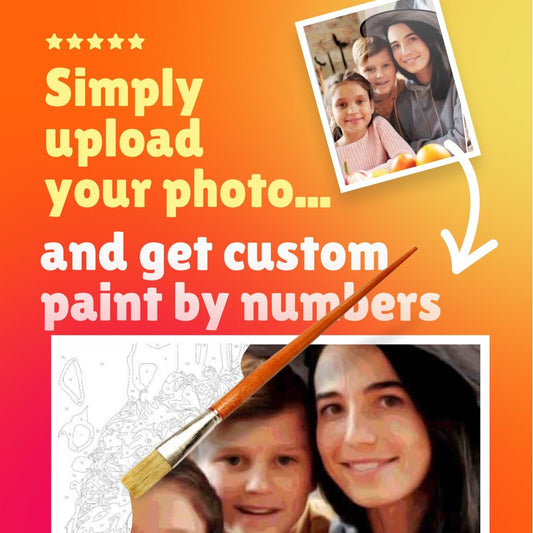
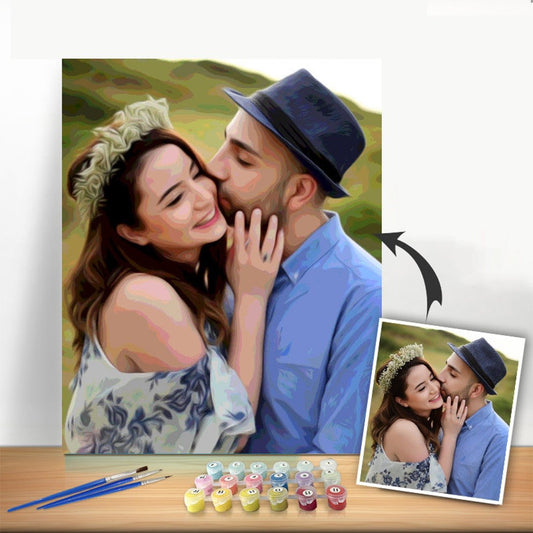
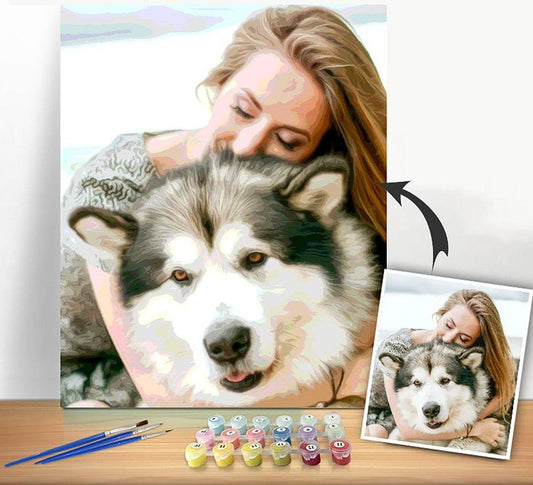
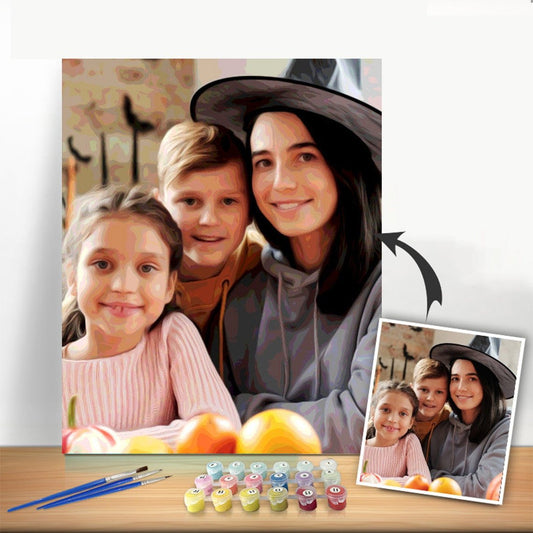
Once you’re ready to get started, half the fun is finding the right design. You can explore all sorts of drawing and painting ideas to spark creativity to see what themes you connect with. Whether it's a peaceful landscape, a quirky animal portrait, or even a custom kit made from a photo of a loved one, the possibilities are truly endless.
What's Inside the Box? Let's Unpack Your Kit
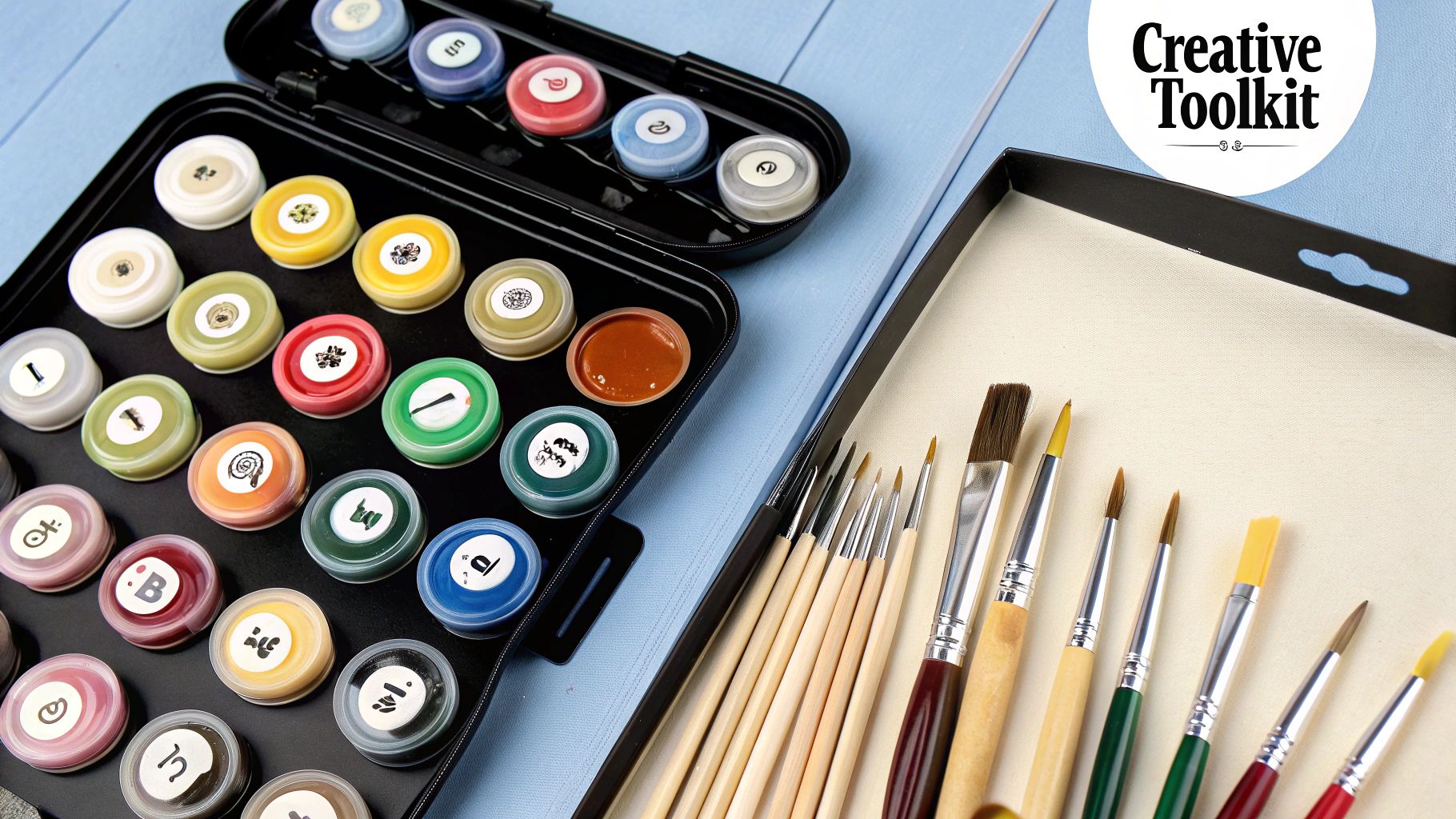
There's a special kind of excitement that comes with opening up your very first paint-by-number kit. It's a bit like getting a treasure box where all the pieces are there, just waiting for you to put them together.
So, what exactly do you get? Let's take a look inside.
Most kits for beginners come with a standard set of supplies, each with a very specific job to do. Think of it as your complete starter pack for creating a masterpiece.
What's in Your Beginner Paint by Number Kit
| Component | Description | Why It's Included |
|---|---|---|
| Numbered Canvas | A pre-printed canvas with the entire design outlined in numbered sections. | This is your roadmap! It completely removes the guesswork, telling you exactly where each color goes. |
| Numbered Paint Pots | A set of small pots, each containing a specific color of acrylic paint. | These colors correspond directly to the numbers on the canvas, making color matching effortless. |
| Set of Brushes | Usually a small set of 3 brushes with different tip sizes (fine, medium, and flat). | Gives you the right tool for every section, from tiny details to large background areas. |
| Reference Guide | A paper copy of the numbered canvas and a small image of the final painting. | A handy backup in case you accidentally paint over a number and need to see what goes where. |
These core items are everything you need to get started right away. The beauty of the kit is its simplicity—no need to buy anything extra.
The Tools of Your New Trade
Now, let's talk about the most important tools in your kit: the brushes. You'll typically find a small set with a few different sizes, and they're included for a reason. Using the right brush for the right area makes a huge difference.
- The Fine-Tip Brush: This is your go-to for all the tiny, intricate spots. It gives you the precision you need for those detailed areas.
- The Medium-Tip Brush: Your all-purpose brush. It's perfect for most of the numbered sections that aren't too big or too small.
- The Flat-Tip Brush: Got a big open space to fill, like the sky or a field? This is the brush you'll want. It helps you cover more ground quickly and evenly.
Getting comfortable with which brush to use when is one of the first steps to a great-looking painting. If you're curious to learn more, our guide to the best brushes for paint by numbers has even more tips.
The best part? Over 60% of beginner kits use acrylic paints. They dry fast, the colors are bright, and cleanup is a breeze—all things that make the experience fun instead of frustrating.
Think of your kit as a complete, self-contained art lesson. It provides not just the materials but also the structure, freeing you up to simply enjoy the meditative act of painting.
With your canvas, paints, and brushes all laid out, you're ready to go. You have a clear map to follow and all the tools you need to bring your painting to life, one number at a time.
How to Choose Your Perfect First Painting
Diving into the world of paint-by-numbers can feel a little overwhelming at first. It's like walking into a massive art supply store with no idea what you need—so many canvases, so many colors! But the secret to a great first experience isn't just about picking a pretty picture. It's about choosing a kit that sets you up for success and keeps you excited from the very first brushstroke.
Think of your first kit as a friendly introduction, not a final exam. The whole point is to have fun and build a little confidence. To make sure that happens, we'll look at three simple but super important things: the complexity of the design, the size of the canvas, and a subject that genuinely makes you smile.
Look for Simplicity First
When you're just starting out, the absolute number one thing to look for is design simplicity. This doesn't mean the painting has to be boring—not at all! It just means the design has larger, more forgiving sections to fill in.
A good beginner-friendly kit will have:
- Fewer tiny, intricate spaces. Those little nooks and crannies can be tough and require a really steady hand. It's better to save those for later.
- Larger, clearly marked areas. This makes it much easier to stay within the lines and see your beautiful work come together quickly.
- A lower number of paint colors. Juggling 24 colors is way more manageable than trying to keep track of 36 or more on your first go.
It’s kind of like putting together a puzzle. You wouldn't start with a 1,000-piece monster, right? You'd start with a 100-piece one to get the hang of it. The same idea applies here. Starting simple keeps the whole process relaxing and fun, not frustrating.
Start with a Smaller Canvas
I know that giant, sweeping landscape painting looks amazing, but trust me on this: a smaller canvas is your best friend for your first project. A more modest size, like an 8x10 or 12x16 inch canvas, is way less intimidating and can be finished much faster.
Getting that quick win is a huge motivator. When you finish your first painting in a weekend instead of a month, you get an incredible sense of accomplishment. It's the feeling that makes you want to immediately grab another kit and start again. You can always work your way up to bigger pieces once you're comfortable.
Choosing a manageable first project is the secret to falling in love with this hobby. It’s not about creating a perfect masterpiece on day one; it's about enjoying the creative journey and building your skills along the way.
Pick a Subject You Truly Love
This might be the most important tip of all: choose a design that speaks to you. You’re going to be spending a good few hours with this image, so make sure it's something you genuinely love looking at. Whether that’s a peaceful beach scene, a goofy-looking dog, a burst of colorful flowers, or a cool abstract pattern, your connection to it will keep you going.
The huge variety of designs is what has made paint by number kits for beginners so popular. This hobby has exploded, and the global canvas painting kits market is expected to grow from $1.5 billion to $2.2 billion. It's an accessible craft, with most entry-level kits costing between $10 and $25. You can find more stats on this growing trend at Market Report Analytics.
At the end of the day, the perfect first kit is just a simple mix: a straightforward design, a manageable size, and a picture you adore. If you’re looking for some solid recommendations to get you started, check out our guide on the best paint by number kits for some great ideas. A little thought now will make sure your first painting experience is a truly joyful one.
Creating Your Ideal Painting Sanctuary
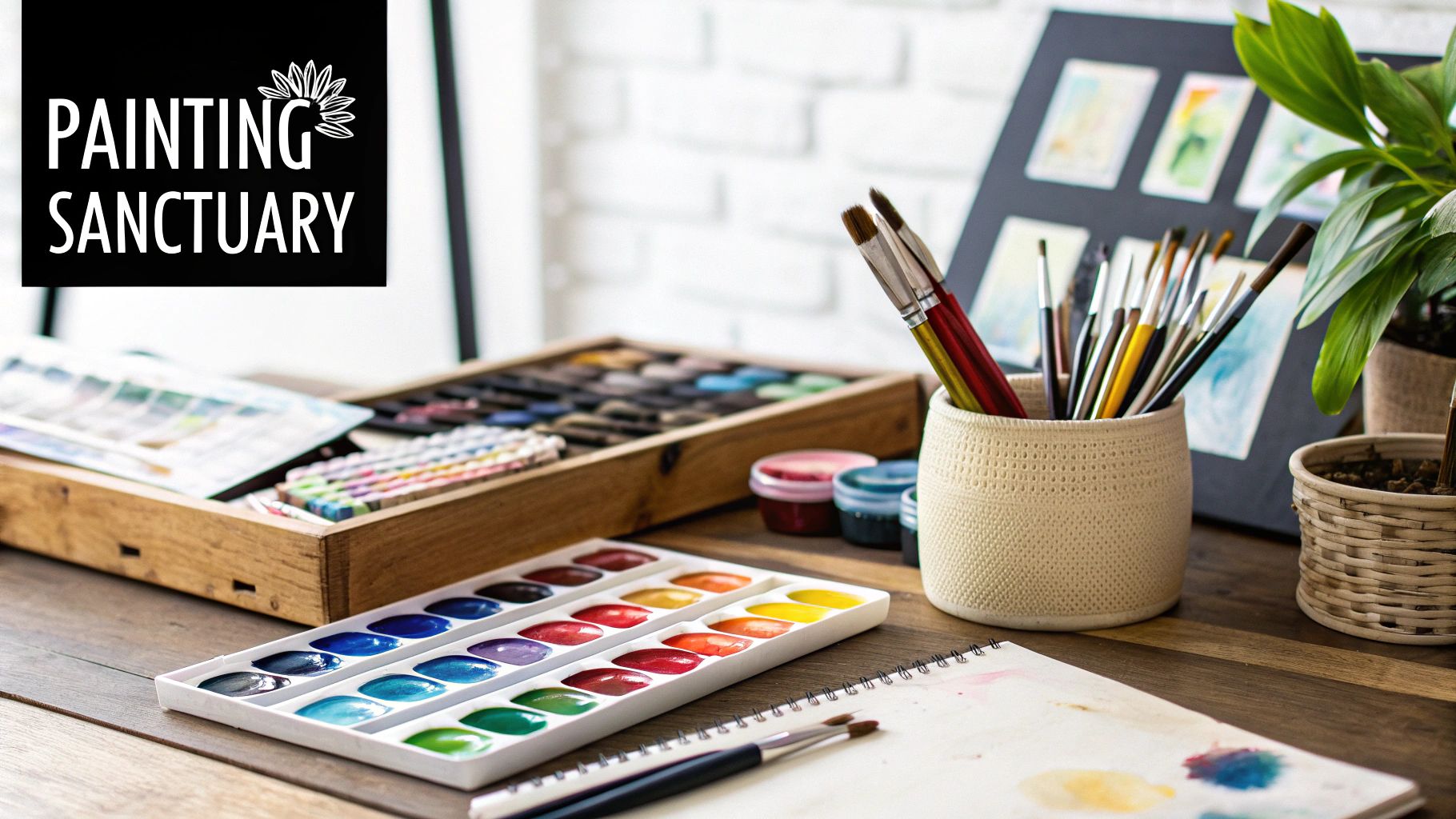
Think of it like a chef prepping their kitchen before a big meal. A little bit of setup before you start painting can completely change the experience, turning a simple craft into a truly relaxing escape.
You don't need a dedicated art studio. A quiet corner of the kitchen table or a small desk is all it takes to carve out your own creative space. The whole point is to create a comfortable, stress-free zone where you can just focus on your painting without worrying about making a mess or being interrupted.
Setting Up Your Creative Corner
First things first: good lighting. This is non-negotiable. Trying to paint in a dim room is a recipe for eye strain and frustration. Natural daylight is always best, as it shows the colors in their truest form. If you're a night owl painter, a simple desk lamp you can angle over the canvas will be your best friend.
Next, you'll want to protect your workspace. Lay down some old newspaper, a plastic tablecloth, or even just a flattened cardboard box. This little step is a huge stress reliever—you can paint freely without the nagging worry of a stray drip of paint ruining your furniture.
Your painting station is your personal retreat. By preparing it thoughtfully, you’re telling your brain it’s time to relax, focus, and create. A little organization goes a long way in making the process smooth and enjoyable.
Your Painting Station Checklist
To keep your creative flow going, it helps to have all your supplies within easy arm's reach. Nothing breaks your focus faster than having to get up and hunt for a paper towel.
Here's a quick checklist to get the perfect setup for any paint by number kits beginner:
- A Cup of Water: You'll need this to rinse your brushes when switching colors. Grab a sturdy mug or a heavy-bottomed jar that won’t tip over easily.
- Paper Towels or an Old Rag: Keep these nearby to dab your brushes dry after rinsing. This gets rid of excess water so you don't accidentally dilute your paint.
- Organized Paints: This is a game-changer. Take a minute to line up your paint pots in numerical order. It saves you so much time and frustration from having to search for the right color every few minutes.
Once your sanctuary is set, you're ready for the best part—bringing that beautiful canvas to life, one color at a time.
Mastering Beginner Painting Techniques
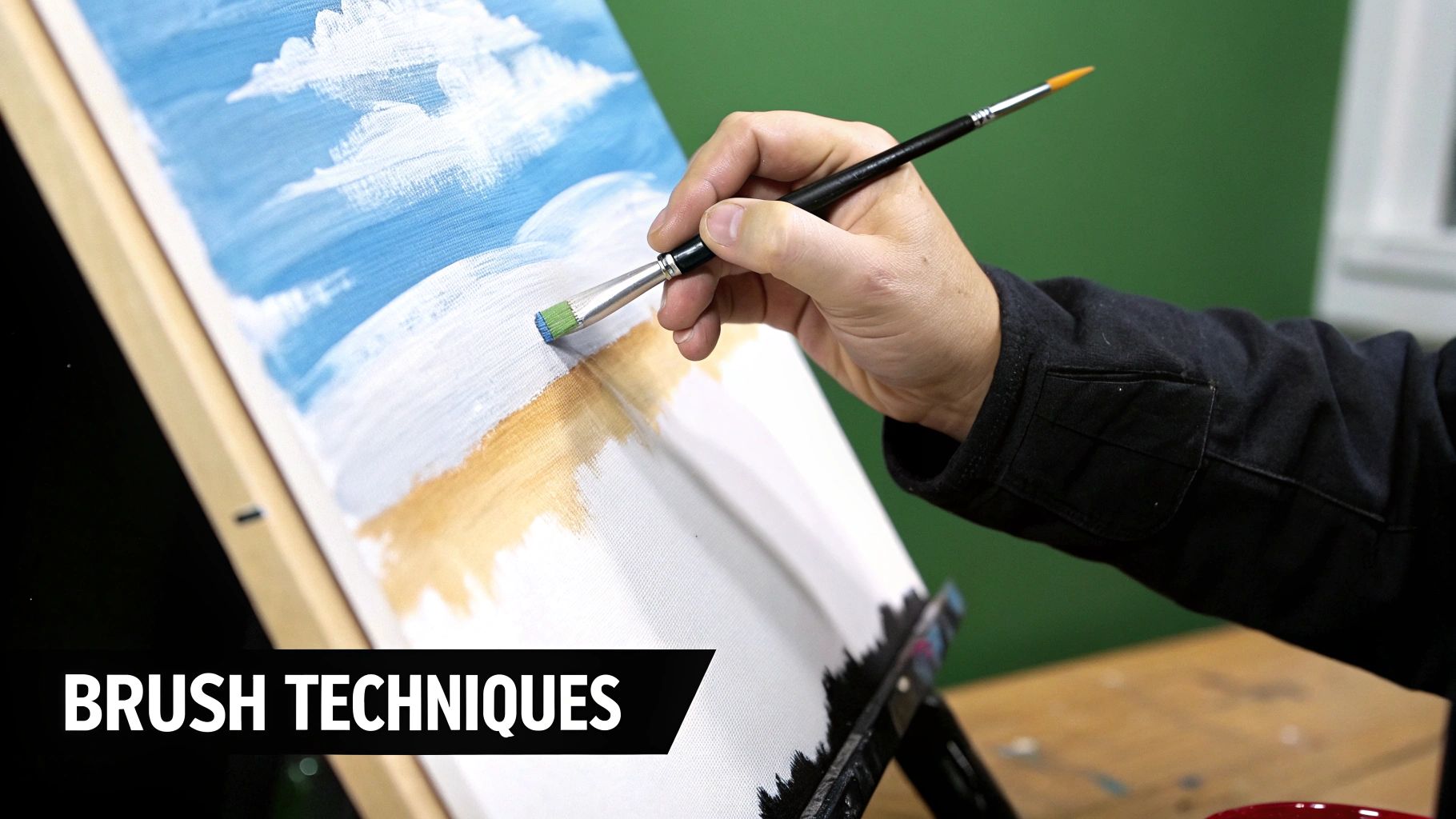
Alright, your creative space is ready, and it's time for the fun part: dipping that brush in and bringing your canvas to life. What I love about paint by number kits beginner sets is that they're designed for simplicity. But with a few small tricks up your sleeve, you can turn your project into something you’ll be genuinely proud to hang on your wall.
There’s no one "right way" to tackle your canvas, but most people find a system helps keep things neat and prevents smudges. Think of these strategies as friendly roadmaps for your first painting journey.
One popular method is to paint one number at a time. Just pick a color, let's say number 7, and fill in every single spot on the canvas marked with a 7. This approach is surprisingly meditative and really helps you get into a nice, creative flow. Plus, it means you won't have to clean your brushes as often!
A Strategic Approach to Color
Another fantastic strategy is to work from dark to light. This means you'll fill in all the darkest colors first, then move on to the medium shades, and save the lightest colors and highlights for last.
So, why does this work so well? Lighter acrylic paints are generally more opaque, which means they can easily cover up darker colors if you accidentally paint over a line. It’s a forgiving little trick that makes fixing those small slip-ups a breeze.
Here’s a simple process that helps a lot of beginners stay organized:
- Start at the Top: Begin painting in the top-left corner (or top-right if you're a lefty!) and work your way down the canvas. This is the single best way to avoid smudging wet paint with your hand or sleeve.
- Work in Sections: Rather than jumping around the canvas, try to finish one general area before you move to the next. It helps you see the image come together in a more cohesive way.
- Allow Drying Time: Acrylics dry pretty fast, but it's still a good idea to give a section a few minutes to set before painting an area right next to it. This keeps your lines crisp and clean.
Brush Control and Paint Application
Getting comfortable with your brush is what really gives your painting a polished look. You don’t need to press down hard—just let the bristles do the work. Use the very tip of the brush for tiny details and the side of the bristles for filling in larger areas with broader strokes.
When you dip your brush, try to pick up just enough paint to cover the canvas smoothly. You're aiming for that sweet spot—not so much that it gets clumpy, but not so little that your strokes look thin and streaky. If you do go outside the lines (and we all do!), don't panic. Let it dry completely, then just paint over it with the correct color.
The most important technique is patience. Painting by numbers is not a race. Enjoy the deliberate, calming process of watching the image slowly emerge, one numbered section at a time.
For those of you who want to add a bit more artistic flair, learning to soften the edges between two colors can create a more blended, professional look. You can find a complete guide on how to blend paint colors to take your skills to the next level.
Just like in painting, every craft has its own set of fundamental skills. It’s a lot like learning the basic crafting techniques for beginners in something like crochet. Mastering these core skills is what helps any beginner grow into a confident creator.
Common Mistakes and How to Easily Fix Them
Let's be honest, every artist makes a few mistakes when they're starting out. It’s just part of the process of learning something new. The great news is that acrylic paint is incredibly forgiving, so almost any little slip-up can be fixed with a bit of patience.
Think of this as your personal troubleshooting guide. I'll walk you through the most common hurdles for anyone using paint by number kits beginner sets and show you the simple, stress-free ways to get back on track.
One of the first things people do is add too much water to their paint. You end up with a thin, streaky color that doesn't cover well. If this happens to you, no big deal! Just let that spot dry completely, then go back over it with a fresh, thicker layer of paint straight from the pot.
Keeping Your Supplies in Top Shape
Another classic mistake is letting the paints dry out. Those little acrylic paint pots can dry up in a flash if you leave them open. Always listen for that satisfying little "click" when you close the lid to make sure it's sealed tight.
If you find a paint has gotten a little thick and gloopy, you can usually bring it back to life.
- Start by adding just one or two drops of water into the pot.
- Use a toothpick to stir it gently until it gets back to a smooth, creamy texture.
- Go slowly! It’s always easier to add another drop of water than to try and remove it.
A friendly reminder: Don't stress about staying perfectly inside the lines. Once you've filled in the whole canvas, those tiny imperfections tend to disappear into the overall picture. You'll be the only one who knows they're there!
Finally, a lot of beginners get nervous about painting outside the lines. If you accidentally smudge some paint into the wrong section, don't panic! Let the mistake dry completely, then just paint right over it with the correct color. It might take two coats to get full coverage, but it'll be our little secret.
Got Questions? We’ve Got Answers.
Jumping into a new hobby always brings up a few questions. Let's walk through some of the most common ones we hear from beginners, so you can feel totally confident as you pick up that first brush.
What If I Run Out of a Specific Paint Color?
This is probably the number one worry for newcomers, but it’s rarely an issue. A good paint by number kits beginner set is designed to give you more than enough paint to finish the picture. The trick is to apply thin, even layers instead of thick blobs—it looks better and makes your paint last longer.
But hey, sometimes it happens. If you find yourself running low on a color, don't sweat it! Your first step should be to contact the company you bought the kit from; they can often send you a replacement. You can also embrace your inner artist and try mixing a couple of similar colors to get a close match.
Don't let the fear of running out of paint get in the way. It’s an easy problem to solve. The whole point is to relax and enjoy the process, not to perfectly ration every drop of paint.
Do I Need to Do Anything to the Canvas Before I Start?
Nope, not a thing! This is one of the best parts about these kits. The canvas comes pre-primed, which is just a fancy way of saying it’s already been coated with a special layer that helps the paint stick perfectly and look vibrant.
You can literally unroll it, set up your paints, and get started immediately. It’s all designed to be as straightforward as possible, letting you skip the boring prep and jump right into the creative fun.
How Do I Clean My Brushes?
Taking care of your brushes is super simple and will keep them in great shape for your next project.
-
While painting: When you're switching colors, just give the brush a good swirl in a cup of water. Then, gently pat it dry on a paper towel before dipping it into the next color. This keeps your colors from getting muddy.
-
When you're done: Once you're finished for the day, give the brushes a proper cleaning with a bit of mild soap and warm water. Work the paint out of the bristles, rinse them well, and then gently squeeze them back into their original shape with your fingers. Let them air dry, and they'll be ready for your next session.
Ready to turn a cherished photo into a work of art? At Custom Paint By Numbers, we help you create a personalized kit from your own pictures. Start your custom painting journey today!