
Art is a universal language, but traditional projects can often present unintentional barriers for individuals with varying abilities. The true goal isn't just to make art; it's to create a successful, fulfilling, and confidence-building experience. This comprehensive guide moves beyond generic craft ideas to provide a curated collection of highly specific and adaptable art projects for special needs, designed to meet a wide range of physical, sensory, and cognitive requirements.
We understand that true accessibility means providing a clear framework for success. Instead of suggesting abstract concepts, this listicle offers a practical roadmap. Each project is broken down with step-by-step adaptations, safety considerations, and notes on therapeutic benefits. You will discover how simple modifications and thoughtful design can transform a standard activity into a powerful tool for self-expression, skill development, and pure enjoyment.
This resource is for anyone-a parent, caregiver, educator, or therapist-seeking to make creative expression more inclusive. We will explore how structured approaches, like simplified paint-by-numbers and tactile alternatives, can reduce frustration and enhance focus. You will learn to adapt projects for different attention spans, motor skills, and sensory preferences. Forget one-size-fits-all crafts; this guide is about creating customized artistic journeys that celebrate every individual's unique abilities and unlock their creative potential. By focusing on process over perfection, these projects ensure that everyone can experience the joy and empowerment of bringing their own vision to life.
1. Simplified Paint-by-Numbers with Larger Sections
Paint-by-numbers offers a structured, satisfying path to creating a beautiful piece of art. However, standard kits can be frustrating for individuals with motor skill challenges, low vision, or cognitive disabilities due to their tiny sections and complex color palettes. A simplified version transforms this classic activity into one of the most accessible and rewarding art projects for special needs, focusing on success and enjoyment over precision.
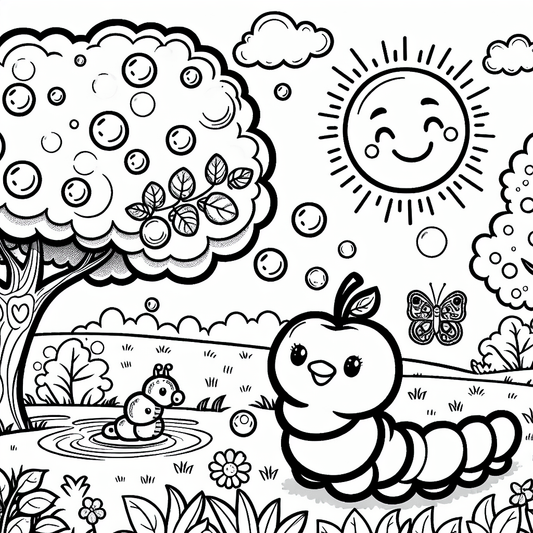
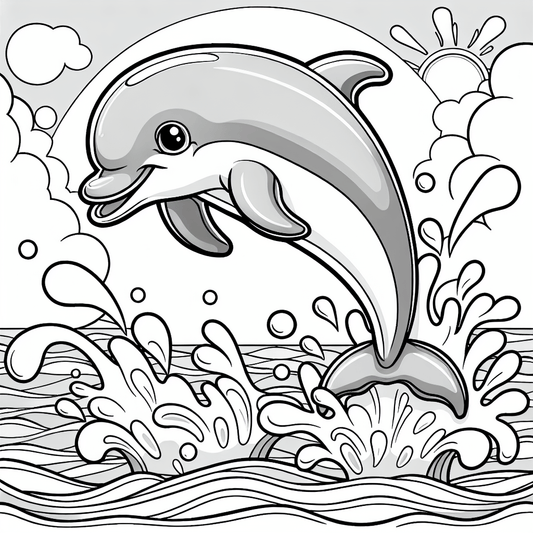
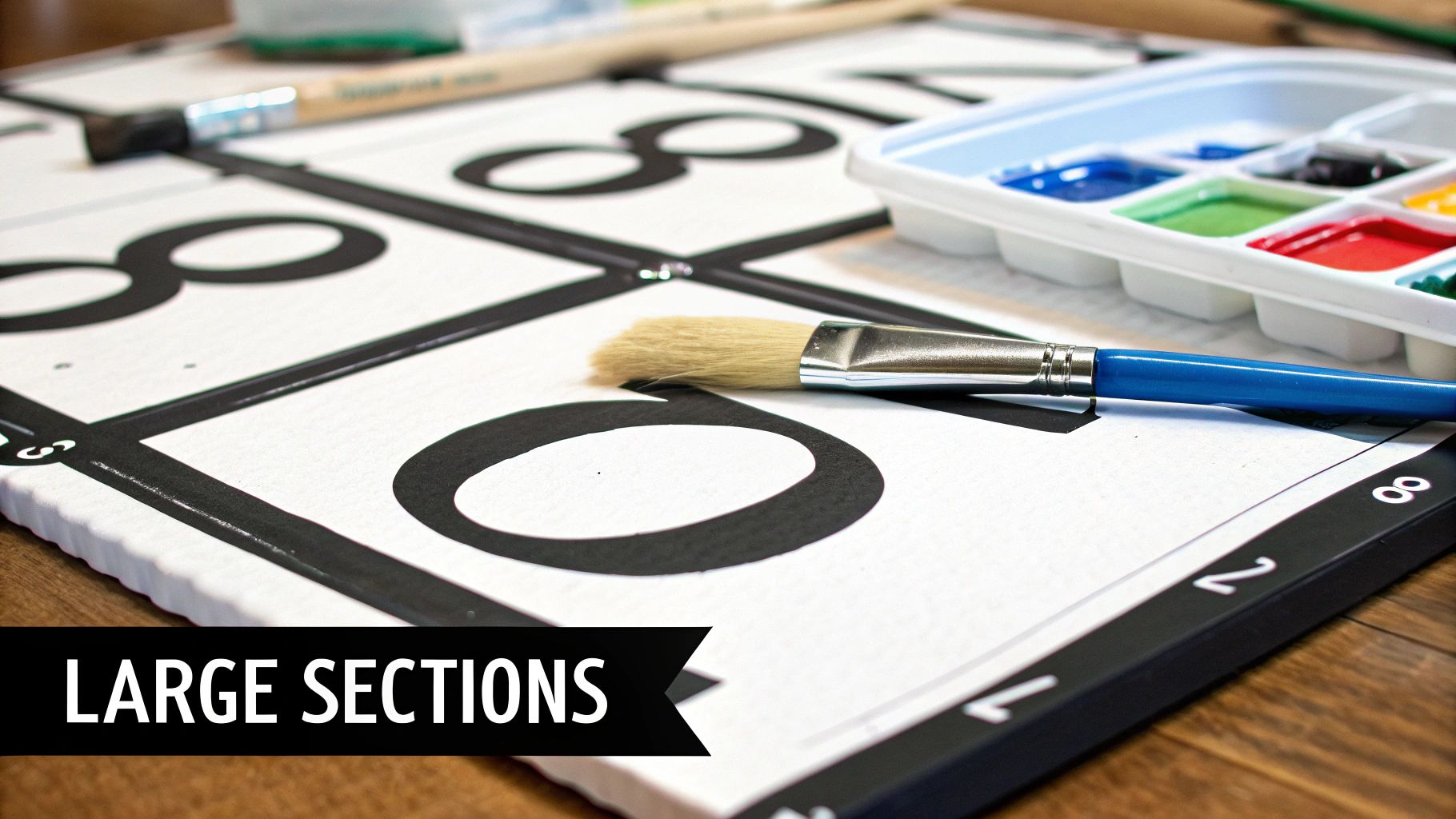
This adapted format uses a canvas with significantly larger, clearly defined sections and a limited color palette of just 6-8 colors. The thick, bold lines provide a clear visual and physical boundary, making it easier for users with limited dexterity or unsteady hands to apply paint. This simple change reduces visual clutter and decision fatigue, allowing the artist to focus on the enjoyable, repetitive motion of painting.
Why It Works So Well
This project shines by removing common barriers to artistic expression. The pre-defined structure eliminates the pressure of creating a composition from scratch, which can be overwhelming. Completing each large section provides immediate positive reinforcement, building momentum and confidence.
Occupational therapy programs often use this method to improve fine motor skills, hand-eye coordination, and concentration in a low-stakes, therapeutic environment. The predictable, numbered system also supports cognitive skills like number recognition and sequencing.
Actionable Tips for Success
To ensure a smooth and positive experience, consider these practical adaptations:
- Organize the Workspace: Secure the canvas to the table with painter's tape to prevent it from shifting. This is especially helpful for artists who need to brace themselves with their non-dominant hand.
- Simplify Paint Access: Pour small amounts of each paint color into a muffin tin or egg carton, arranged in numerical order. This prevents spills and makes it easy to find the correct color.
- Adapt the Tools: Slide a foam pencil grip or wrap tape around the paintbrush handle to create a thicker, more comfortable grip for those with limited hand strength or arthritis.
- Keep It Clean: Place a stack of wet wipes or a damp cloth nearby for quick and easy cleanup between colors, minimizing mess and frustration.
- Focus on Encouragement: Celebrate the completion of each section. Positive verbal feedback like, "You filled in all the number 3s perfectly!" reinforces effort and builds self-esteem.
2. Custom Photo Paint-by-Numbers from Personal Images
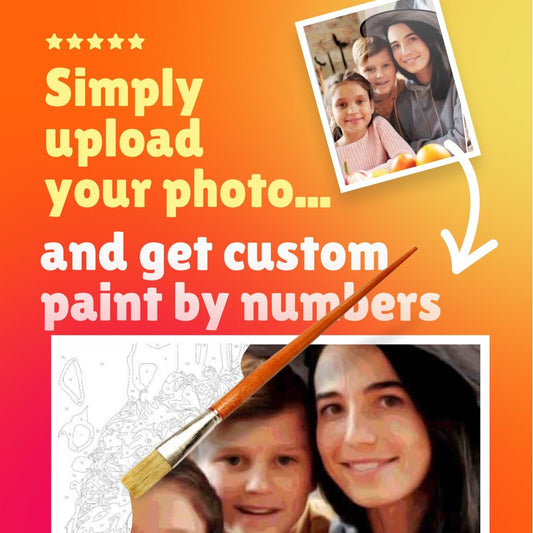
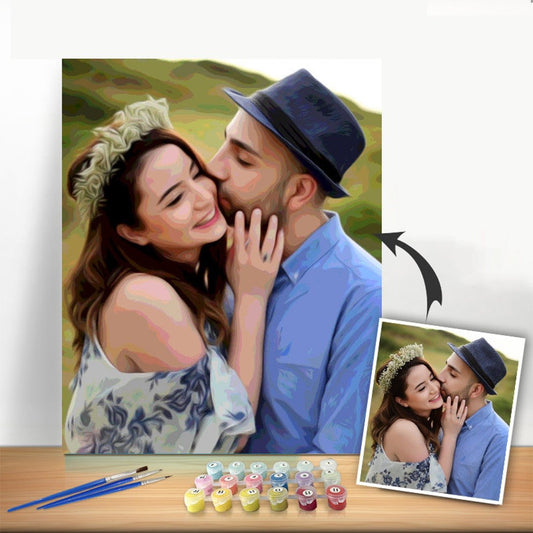
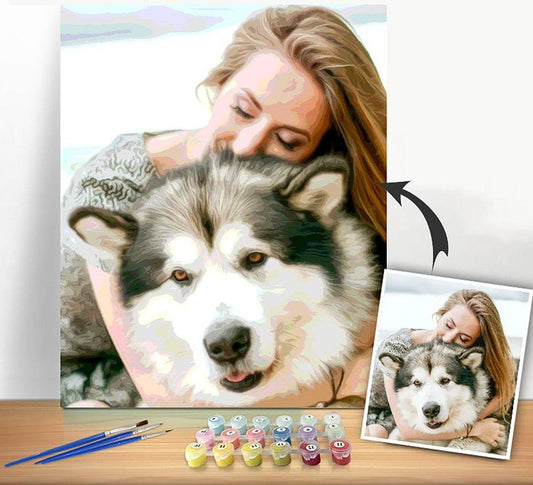
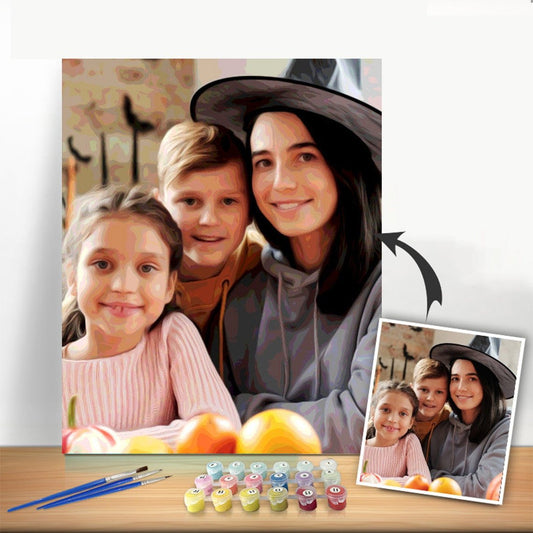
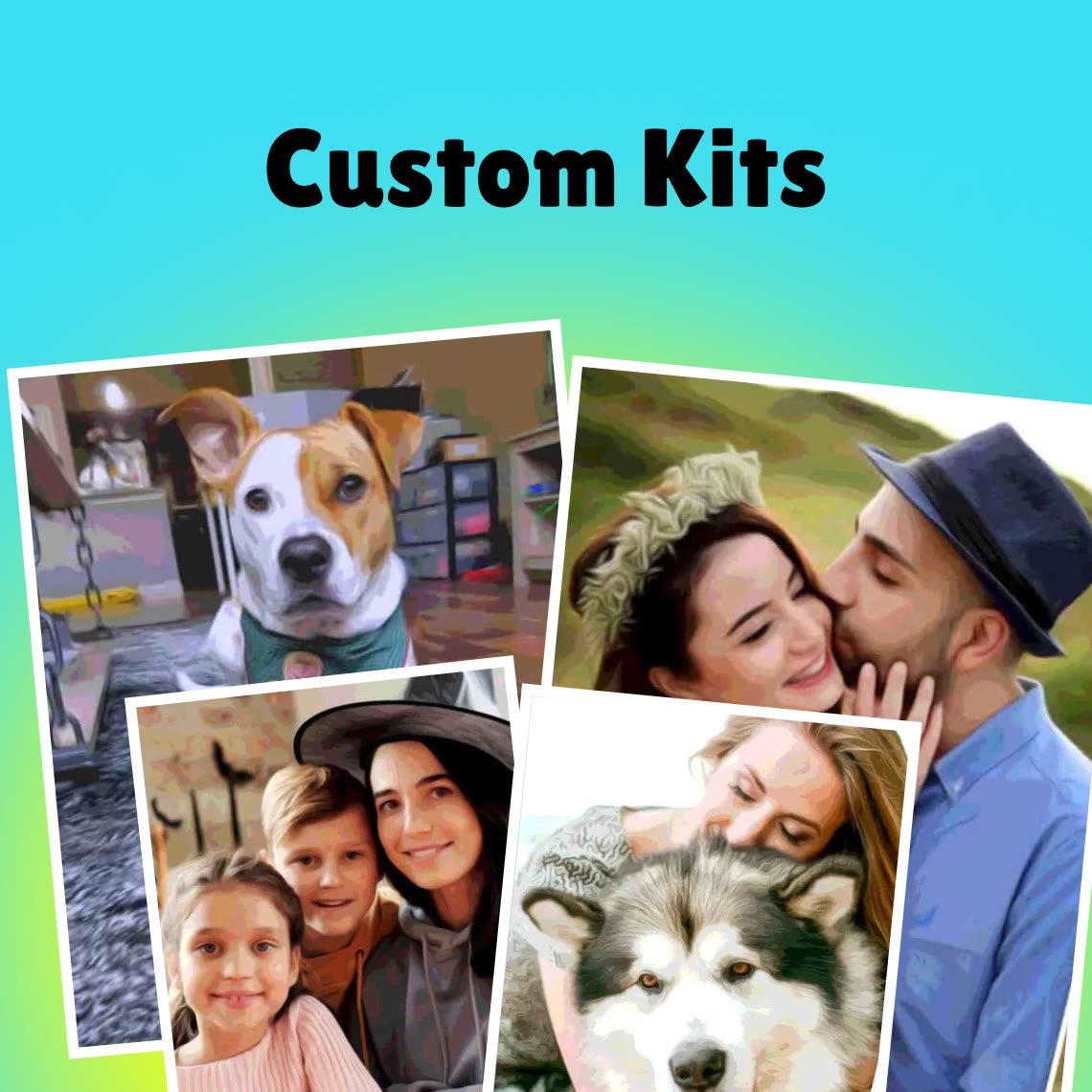
While simplified paint-by-numbers offer structure, custom photo kits add a powerful layer of emotional connection and motivation. This approach transforms a personal, cherished photograph into an accessible paint-by-numbers canvas. Painting a familiar face, a beloved pet, or a favorite vacation spot can be profoundly more engaging than working on a generic landscape, making it one of the most meaningful art projects for special needs.
The process involves uploading a personal photo to a service that converts it into a numbered canvas with a corresponding paint set. The software intelligently simplifies the image, reducing the color palette and enlarging sections to match a chosen difficulty level. This personalization bridges the gap between a structured activity and a deeply personal creative act, increasing focus and the desire to see the project through to completion.
Why It Works So Well
This project’s strength lies in its ability to harness personal connection as a motivator. For individuals with dementia or memory loss, painting a family photo can stimulate reminiscence and positive emotions. For those with developmental disabilities, seeing their own creation of a loved one or a therapy animal can provide a huge boost to self-esteem and a sense of accomplishment.
This method transforms the art-making process into a storytelling activity. Therapy centers have used this to help participants process emotions by painting photos of their caregivers or therapy animals, reinforcing positive relationships. The act of recreating a happy memory provides a calming, repetitive motion that can reduce anxiety and provide a tangible link to one’s personal history.
Actionable Tips for Success
To get the most out of a custom photo project, proper preparation is key:
- Choose the Right Photo: Select a high-resolution photo with good lighting and clear contrast between the subject and the background. Simple, close-up portraits of one or two people work much better than complex group scenes.
- Simplify the Subject: If possible, take a new photo specifically for the project against a plain background. This ensures the conversion process focuses on the important features rather than a busy environment.
- Involve the Artist: Allow the participant to help choose the photograph. This ownership from the very beginning increases their investment in the project and overall enjoyment.
- Frame the Masterpiece: Plan to frame and display the finished artwork in the artist's room or a prominent place in the home. This validates their effort and provides a constant, positive reminder of their achievement. You can learn more about how to create a great custom paint-by-numbers project for adults and select the best images.
3. Texture-Based Paint-by-Numbers with Tactile Elements
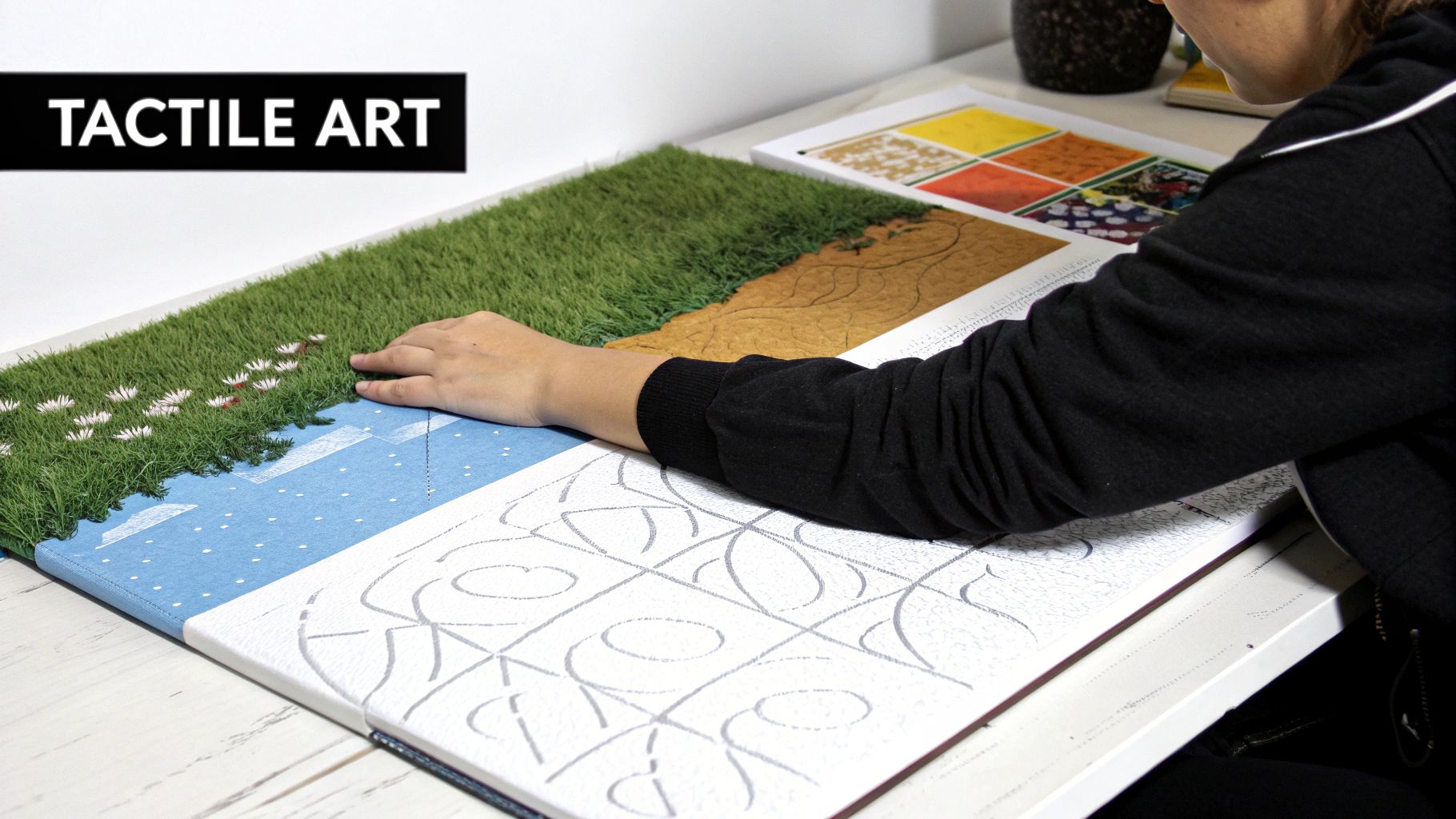
This innovative project takes the guided structure of paint-by-numbers and adds a crucial sensory dimension, making it one of the most inclusive art projects for special needs, especially for individuals with visual impairments or sensory processing disorders. Instead of relying solely on sight, this method incorporates different textures into each numbered section. Materials like sandpaper, yarn, fabric, or foam are glued onto the canvas, allowing the artist to navigate the composition through touch.
The concept transforms the canvas into a tactile map. Raised lines or puff paint can create distinct boundaries between sections, while the unique texture of each area corresponds to a specific color. This multi-sensory approach provides a rich, engaging experience that goes beyond visual aesthetics, focusing on the physical sensation of creating art.
Why It Works So Well
This method brilliantly opens the world of painting to those who are blind, have low vision, or are deafblind. It leverages the sense of touch to communicate shape, form, and space, removing significant barriers to participation. The varied textures also provide valuable sensory input, which can be both calming and stimulating for individuals with autism or sensory processing disorders.
Sensory art programs in schools for the blind and therapeutic settings use this technique to build descriptive language skills, enhance fine motor control, and boost spatial awareness. The structured, yet tactile, process provides a predictable and safe way to explore creativity, leading to a profound sense of accomplishment and self-expression.
Actionable Tips for Success
To create a successful and enjoyable tactile art experience, focus on preparation and sensory safety:
- Choose Safe Materials: Use non-toxic glue and ensure all textured materials (like fabric scraps, sand, or soft foam) are safe to handle repeatedly and will not easily flake off.
- Provide a Tactile Key: Create a separate small board or card with a sample of each texture next to its corresponding paint color. This "key" allows the artist to feel the texture and associate it with the right paint before starting.
- Allow for Exploration: Before painting begins, encourage the participant to explore the entire canvas with their hands. Verbally describe the image, such as, "This bumpy texture will be the green leaves on the tree."
- Use Adaptive Tools: Offer a variety of painting tools, from standard brushes to sponges and cotton swabs. Thick, easy-to-grip handles are essential for artists with motor challenges.
- Pair with Audio Cues: For visually impaired artists, use verbal instructions and encouragement. Describe the colors and the overall theme of the artwork to help build a mental picture.
4. Collaborative Group Paint-by-Numbers Projects
Art can be a powerful community builder, and a collaborative paint-by-numbers project leverages this social aspect beautifully. This adaptation takes the simplified paint-by-numbers concept and scales it up for a group, where a single large canvas is divided into sections for multiple participants. Each person is responsible for their own area, but the final result is a unified masterpiece that belongs to everyone.
This approach transforms a solo activity into a dynamic group experience, making it one of the most socially rewarding art projects for special needs. It is particularly effective in settings like special education classrooms, day programs for adults with disabilities, and inclusive camps. The focus shifts from individual performance to teamwork, shared ownership, and the joy of creating something together that no single person could have completed alone.
Why It Works So Well
This project excels at building social-emotional skills in a structured, low-pressure environment. It provides a natural framework for cooperation, communication, and taking turns. The pre-defined sections reduce potential conflicts over creative choices, allowing participants to work alongside each other harmoniously.
For individuals who might feel overwhelmed by an entire canvas, being assigned a smaller, manageable section makes the task feel achievable. Seeing their individual part come together with others’ to form a cohesive whole provides a profound sense of accomplishment and belonging. This shared success fosters peer relationships and a strong sense of community.
Actionable Tips for Success
To facilitate a successful group project, planning and organization are key:
- Assign Clear Sections: Before starting, clearly mark or assign specific numbered sections to each participant. This prevents confusion and ensures everyone has a defined role.
- Ensure Equal Difficulty: Try to distribute sections so that no single person has a significantly more complex or difficult area, which helps prevent frustration and feelings of inequality.
- Provide Ample Space: Use a large table or clear a space on the floor so participants can work comfortably without bumping into one another. Give each artist their own set of paints and brushes.
- Facilitate Cooperation: Designate a facilitator to encourage positive interactions, help manage supplies, and guide the process. They can offer prompts like, "Let's see how our colors are connecting!"
- Host a 'Gallery Opening': Celebrate the finished work by hosting a small event where families and friends can view the art. This validates the group's hard work and reinforces their collective achievement.
- Display Prominently: Frame and display the final piece in a common area. This serves as a lasting, visible reminder of the group's successful collaboration and creativity.
5. Paint-by-Stickers Alternative for Motor Skill Limitations
For individuals with severe motor limitations, tremors, or conditions that make holding a paintbrush difficult, traditional painting can be a source of frustration. Paint-by-stickers offers a brilliant adaptation, preserving the guided creativity of paint-by-numbers while removing the barrier of brush control. This method is one of the most inclusive art projects for special needs, ensuring a successful and empowering artistic experience.
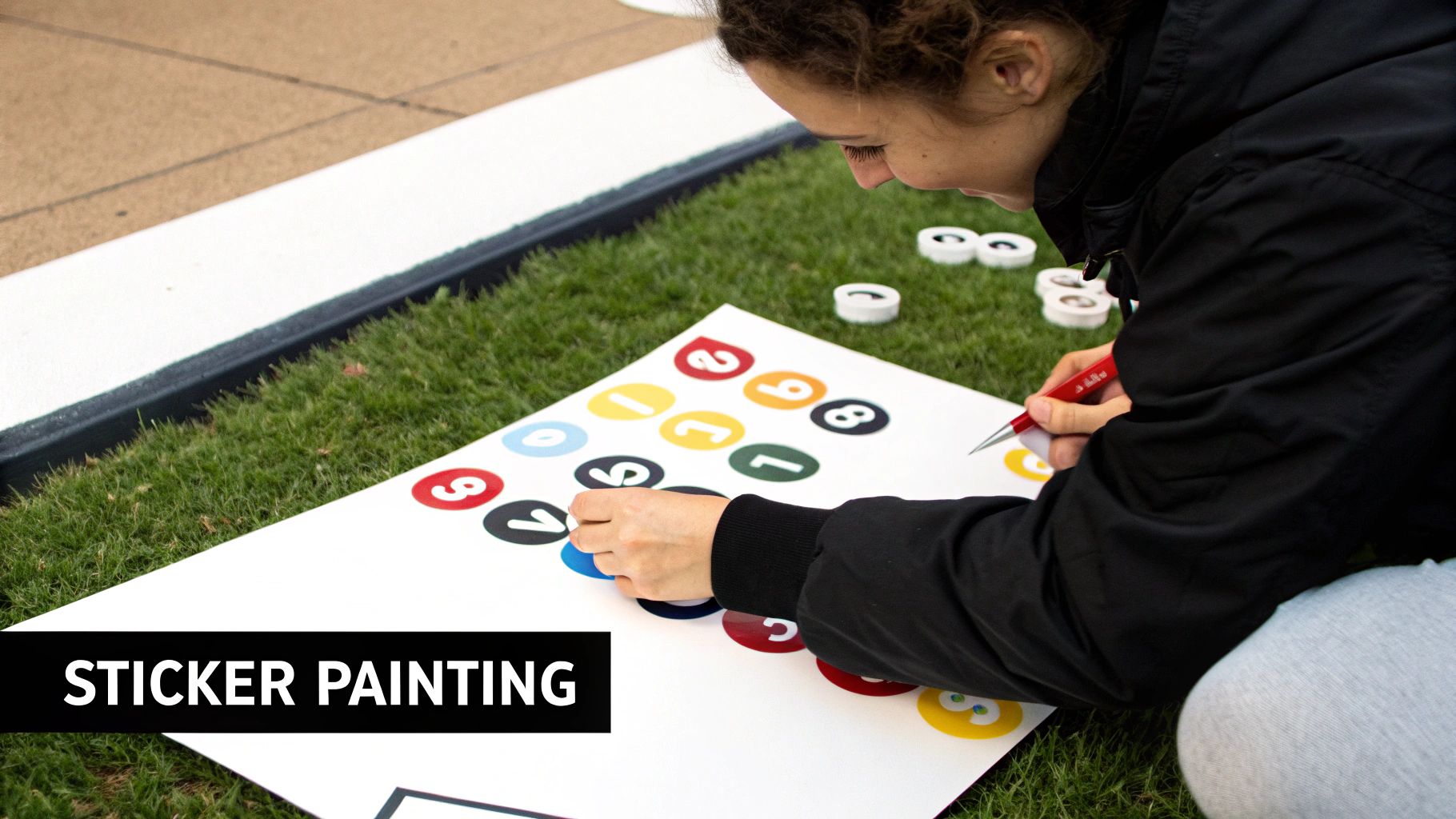
Instead of applying wet paint, participants place pre-cut, colored adhesive stickers onto a numbered canvas or template. Each sticker is sized to fit a specific section, transforming the activity into a focused task of peeling and placing. This maintains the cognitive benefits of sequencing and number recognition while making the creative process physically accessible for those with conditions like advanced cerebral palsy, ALS, Parkinson's, or severe arthritis.
Why It Works So Well
This project excels by isolating the creative decision-making process from complex physical demands. The simple, repetitive motion of applying stickers is therapeutic and achievable, providing instant gratification as each section is completed. It eliminates the need for messy cleanups and the dexterity required for managing paint, making it a perfect mess-free alternative.
Occupational therapists often use sticker art to support hand-eye coordination and pincer grasp development in a highly motivating format. For a deeper look into how these activities support development, you can explore the relationship between art and what fine motor skills are being engaged. The predictable nature of the task builds confidence and provides a clear sense of accomplishment when the final image is revealed.
Actionable Tips for Success
To facilitate a seamless and enjoyable sticker art session, consider these practical tips:
- Prepare the Stickers: If the stickers are on large sheets, consider cutting them into smaller, more manageable strips. For users with limited pincer grasp, slightly peeling the corner of each sticker can make them much easier to lift.
- Create a Visual Guide: Make a simple chart that shows a sample of each colored sticker next to its corresponding number. This visual reference can help artists who find it easier to match colors than to read numbers.
- Secure the Workspace: Use painter's tape to secure the art template to a smooth, flat table. This prevents it from sliding around, allowing the artist to focus entirely on sticker placement.
- Keep It Clean: Keep a damp cloth or wet wipes handy. This helps remove any sticky residue from fingers, which can make handling the small stickers difficult.
- Celebrate the Outcome: Treat the finished sticker artwork with the same pride as a painting. Consider framing it or laminating it to create a durable and lasting piece of art that celebrates the creator's effort.
6. Audio-Guided Paint-by-Numbers Experience
Building on the structured comfort of paint-by-numbers, an audio-guided experience adds a powerful layer of support and immersion. This adaptation pairs a physical painting kit with step-by-step verbal instructions, transforming a visual activity into a multi-sensory journey. The audio narration guides the artist through the entire process, from identifying colors to applying paint, making it one of the most innovative art projects for special needs.
This method is especially effective for individuals with visual impairments, intellectual disabilities, or those who struggle with reading and sequencing. The audio can describe the scene, explain which number corresponds to which color, offer encouragement, and even include calming background music. This removes the need to constantly shift focus between the canvas, the paint pots, and a paper guide, allowing for a more fluid and less frustrating creative flow.
Why It Works So Well
This project excels by providing clear, sequential direction that reduces cognitive load and anxiety. Listening to a calm, encouraging voice can be highly therapeutic, turning the art session into a meditative practice. It promotes independence, allowing individuals who might otherwise need constant one-on-one assistance to complete a project on their own terms and at their own pace.
The descriptive narration also enriches the experience, helping the artist connect with the subject matter on a deeper level. For instance, while painting a beach scene, the audio might describe the feeling of warm sand or the sound of waves. This approach supports auditory processing skills, focus, and the ability to follow multi-step directions in a highly engaging context.
Actionable Tips for Success
To create an effective audio-guided painting session, consider these practical tips:
- Use Simple, Direct Language: Narrate the steps using clear and simple terms. Instead of "Use cerulean for section seven," say, "Now, find the paint pot with the number 7. This is sky blue. Use your brush to fill in all the parts with a number 7 inside."
- Incorporate Sensory Descriptions: Enhance engagement by describing the colors and themes. For example, "This next color is a bright, sunny yellow, like a happy sunflower."
- Build in Pauses: Ensure the audio includes ample quiet time for the artist to complete each step without feeling rushed. A good rule of thumb is to allow at least twice as much time as you think is needed.
- Offer Positive Reinforcement: Sprinkle encouraging phrases throughout the recording, such as, "You're doing a wonderful job," or, "It's starting to look beautiful."
- Organize Tools in Advance: Before starting the audio, arrange the numbered paint pots in order from left to right. This creates a predictable physical layout that corresponds with the guided instructions, making it easier for the artist to find the correct color.
7. Adaptive Paint-by-Numbers with Communication Symbol Integration
This advanced adaptation of paint-by-numbers is designed specifically for non-speaking individuals or those with limited verbal communication. It transforms a simple painting activity into a powerful tool for self-expression by integrating Augmentative and Alternative Communication (AAC) symbols directly into the process. The numbered sections on the canvas correspond to a communication board, allowing participants to use symbols to make choices, request assistance, or share their feelings about their artwork.
This method bridges the gap between creative expression and communication development, making it one of the most impactful art projects for special needs. Instead of relying on guesswork, a facilitator can understand exactly what the artist wants. The artist can point to a symbol for "blue," ask for "more paint," or indicate "all done," giving them agency over their creative experience. This is especially vital in settings like autism specialty centers and schools serving children with complex communication needs.
Why It Works So Well
This project fundamentally shifts the dynamic from a passive activity to an active, communicative exchange. It empowers individuals who are often left out of choice-making to direct their own creative process. The integration of familiar AAC symbols reduces the cognitive load of learning a new system, allowing the artist to focus on expressing their preferences.
For speech-language pathologists and occupational therapists, this project is an invaluable tool. It provides a highly motivating, natural context for practicing communication skills, while simultaneously building fine motor skills and fostering a sense of accomplishment and independence. Celebrating each choice validates the artist's voice and reinforces the power of their communication system.
Actionable Tips for Success
To successfully merge art with communication, careful planning is key:
- Coordinate with the SLP: Before creating the materials, consult with the participant's Speech-Language Pathologist (SLP). Use the exact AAC symbols the individual is already familiar with to ensure immediate understanding and reduce frustration.
- Keep Communication Visible: Place the corresponding AAC board or device directly next to the canvas. This allows for easy visual reference and access throughout the activity.
- Use Durable Materials: Laminate the communication board and any printed symbol cards. This protects them from paint splatters and allows them to be wiped clean for repeated use in various settings.
- Respond Enthusiastically: Acknowledge and enthusiastically respond to every communication attempt, whether it's choosing a color or expressing an opinion. This positive reinforcement encourages further communication.
- Document Their Decisions: Take a moment to record the participant's symbol choices. You can later share this with them or their caregivers to celebrate their decision-making and track their engagement over time.
8. Adaptive Paint-by-Numbers for Sensory Regulation and Mindfulness
Beyond skill development, adaptive paint-by-numbers can also serve as a powerful tool for sensory regulation and fostering mindfulness, offering benefits similar to structured meditative practices for anxiety. This therapeutic adaptation is specifically designed for individuals with anxiety, ADHD, trauma history, or sensory processing challenges, transforming the activity into a regulated, meditative art experience.
These specialized kits feature calming color palettes, such as pastels, earth tones, and cool colors, to create a soothing visual environment. The sections are large and simple, promoting a "flow state" where the artist can become fully immersed. The structured, repetitive nature of filling in each numbered space reduces cognitive load and allows the mind to settle, making it one of the most effective art projects for special needs when emotional regulation is the primary goal.
Why It Works So Well
This approach provides a predictable, safe structure that can be incredibly grounding for an overstimulated or anxious mind. The focus shifts from the outcome to the process: the feel of the brush, the smooth application of paint, and the rhythmic motion of completing a section. This mindful engagement helps anchor the individual in the present moment, gently steering them away from distressing thoughts or sensory overload.
Mental health professionals and art therapists in trauma-informed care often utilize this method. It is successfully implemented in veterans' programs for PTSD recovery and in schools to provide students with a tangible tool for managing anxiety. You can learn more about the therapeutic benefits of painting for mental wellness.
Actionable Tips for Success
To maximize the regulatory benefits of this activity, consider these therapeutic enhancements:
- Create a Calm Environment: Set up the workspace with soft lighting, quiet instrumental music, and minimal distractions. Consider adding an aromatherapy diffuser with lavender or chamomile.
- Encourage Mindful Painting: Prompt the artist to use slow, intentional brush strokes. Use gentle verbal cues like, "Notice the deep blue color," or "Feel the brush glide across the canvas."
- Integrate Breathing Pauses: Place small cards with simple breathing exercises next to the paint palette. Suggest taking three deep breaths after completing each color section to reinforce the meditative rhythm.
- Avoid Time Pressure: Emphasize that there is no rush and the project is not a competition. The goal is the feeling of calm during the process, not the speed of completion.
- Frame the Finished Work: Displaying the completed artwork can serve as a powerful visual reminder of the artist’s ability to use a healthy coping skill to achieve a state of calm and focus.
Adaptive Paint-by-Numbers — 8-Project Comparison
| Adaptation | Implementation Complexity 🔄 | Resource Requirements ⚡ | Expected Outcomes 📊⭐ | Ideal Use Cases 💡 | Key Advantages ⭐ |
|---|---|---|---|---|---|
| Simplified Paint-by-Numbers with Larger Sections | Low — simple design changes, easier production | Moderate — larger brushes, custom canvases | High completion rate; boosts confidence; faster (1–2 hrs) | Occupational therapy, seniors, users with tremors | Accessible, reduces frustration, single-session success |
| Custom Photo Paint-by-Numbers from Personal Images | Medium — requires image processing & customization | High — AI conversion, custom printing, longer turnaround | Very high engagement and emotional connection | Therapy centers, families, dementia care | Personalization increases motivation and meaning |
| Texture-Based Paint-by-Numbers with Tactile Elements | High — complex material integration and QA | High — specialized textures, embossing, safety testing | Strong multi-sensory engagement; navigable by touch | Blind/low-vision programs, sensory therapy, deafblind | Fully tactile accessibility; enriches sensory input |
| Collaborative Group Paint-by-Numbers Projects | Medium — planning and facilitation required | Moderate — large canvases, space, facilitator | Improves social skills, teamwork, shared pride | Group homes, classrooms, day programs, camps | Builds cooperation and community ownership |
| Paint-by-Stickers Alternative for Motor Skill Limitations | Low — sticker production and mapping | Moderate — precision sticker printing and sizing | Fast completion (30–45 min); eliminates brush dexterity barriers | Severe motor impairment, advanced arthritis, ALS care | Removes fine-motor demands, low mess, immediate success |
| Audio-Guided Paint-by-Numbers Experience | Medium — audio scripting and tech linking (QR) | Moderate — audio production, devices for playback | Supports non-readers; reduces anxiety; repeatable guidance | Intellectual disabilities, remote sessions, auditory learners | Removes reading barrier; real-time step guidance |
| Adaptive Paint-by-Numbers with Communication Symbol Integration | High — individualized AAC mapping and production | High — custom symbol placement, SLP coordination | Enhances communication autonomy and choice-making | Non-speaking individuals, autism, SLP-led therapy | Integrates AAC to enable expression and self-advocacy |
| Adaptive Paint-by-Numbers for Sensory Regulation and Mindfulness | Medium — curated palettes and mindfulness content | Moderate — calming materials, prompts, optional scents | Reduces anxiety; supports regulation and focus (45–60 min) | Mental health clinics, trauma-informed care, ADHD support | Promotes mindfulness, lowers stress, builds coping skills |
Start Your Own Adaptive Art Journey Today
The journey through art should be open to everyone, regardless of ability. As we've explored, the world of creative expression is not a one-size-fits-all space. True accessibility is born from thoughtful adaptation, turning standard activities into joyful, empowering experiences. The collection of art projects for special needs detailed in this guide demonstrates a fundamental truth: creativity flourishes when barriers are removed and individual strengths are celebrated. From simplified paint-by-numbers kits with large, easy-to-fill sections to the deeply personal process of turning a family photo into a cherished masterpiece, each idea is a starting point, not a rigid prescription.
The core takeaway is to prioritize the process over the product. While a finished piece of art is a wonderful outcome, the real magic happens during its creation. This is where confidence is built, fine motor skills are honed, and sensory needs are met in a calming, structured way. It is a space for non-verbal communication, emotional expression, and shared connection.
Key Principles for Your Adaptive Art Toolkit
To truly unlock the potential of these projects, remember these foundational principles:
- Adaptation is Key: Don't be afraid to modify materials and instructions. Use larger brushes, pre-mix paints, add tactile elements like sand or glitter, or use paint-by-sticker kits as an alternative. The goal is engagement, not perfection.
- Focus on Strengths: Identify what the artist enjoys and excels at. If they love textures, lean into tactile art. If they respond to music, incorporate an audio-guided experience. Tailoring the project to their interests ensures a more positive and rewarding session.
- Create a Supportive Environment: Prepare a dedicated, clutter-free workspace. Ensure good lighting and comfortable seating. Presenting materials in an organized, accessible way can reduce overwhelm and foster independence.
The Lasting Impact of Accessible Creativity
The benefits of engaging in these adapted art projects for special needs extend far beyond the art table. They are powerful tools for building essential life skills. Collaborative projects teach teamwork and communication, while solo activities can significantly improve focus and attention span. The structured, step-by-step nature of a paint-by-numbers project provides a predictable routine that can be incredibly comforting and grounding.
Creative Insight: Art provides a unique language for expression. For individuals who may struggle with verbal communication, painting, coloring, or crafting can become a vital outlet for sharing feelings, experiences, and their unique perspective on the world.
Furthermore, the calming effect of focusing on a creative task can be a profound therapeutic tool. The rhythmic, repetitive motions involved in painting can help regulate the nervous system and reduce anxiety. For individuals with sensory processing differences, art can be a safe way to explore different textures, colors, and physical sensations. Beyond artistic expression, adaptive art forms can be powerful tools as part of broader behavioral strategies to manage ADHD and Autism without medication, enhancing focus and calm.
Ultimately, your role is that of a facilitator and a creative partner. Observe, listen, and be flexible. Celebrate every small victory and focus on the joy of creating together. You are not just making art; you are building confidence, fostering self-esteem, and creating lasting memories. The canvas is waiting.
Ready to create a truly personal and accessible art experience? Visit Custom Paint By Numbers to turn your favorite photos into an easy-to-follow, custom kit. It’s the perfect way to craft a meaningful project that celebrates cherished memories and adapts to any skill level.