
The Color Combination of Aureolin and Paua
When it comes to mixing colors, the Aureolin and Paua combination is one that often piques the interest of many artists and designers. But what exactly happens when these two colors are mixed together?
Color Mixing in Art vs RGB Colors
It's important to note that the way colors mix in the world of paints is quite different from how they mix in the digital realm. In painting, colors are subtractive, meaning they absorb certain wavelengths of light and reflect others. This is why when you mix Aureolin, which is a warm yellow, with Paua, a deep blue-green shade, you end up with a unique blend of colors that cannot be replicated through RGB values on a screen.
On the other hand, in RGB (Red, Green, Blue) colors used for digital displays, colors are additive. This means that when you mix red, green, and blue light together, you get white light. Mixing Aureolin and Paua digitally would simply result in a combination of their individual RGB values, rather than a new color.
History of Aureolin
Aureolin, also known as Cobalt Yellow, is a pigment that was first developed in the early 19th century. It is a transparent, lightfast yellow color that is prized for its vibrant and luminous qualities. It has been a popular choice among artists for centuries, particularly in watercolor paintings.
History of Paua
Paua, on the other hand, gets its name from the beautiful iridescent shells of the New Zealand Paua shellfish. It is a deep blue-green color that is often used in jewelry and decorative arts. Paua is known for its rich, shimmering hue that can range from dark blues to vibrant greens depending on the angle of light.
What Color Does Aureolin and Paua Make?
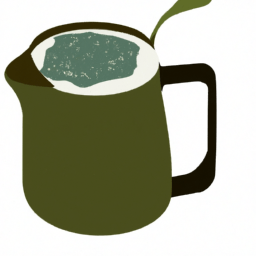
When Aureolin, a warm yellow, is mixed with Paua, a deep blue-green, the result is a stunning shade of teal. The combination of these two colors creates a harmonious blend that is both rich and vibrant. The exact hue will depend on the proportions of Aureolin and Paua used in the mixture, with more yellow resulting in a lighter teal and more Paua creating a darker shade.
Overall, the combination of Aureolin and Paua is a perfect example of how mixing colors in the physical world can create unique and beautiful results that cannot be replicated digitally. So next time you're looking to experiment with color, consider trying out this dynamic duo!