
The Color Combination of Aureolin and Byzantine
Introduction
When it comes to mixing colors, the possibilities are endless. In this blog post, we will explore the unique combination of Aureolin and Byzantine and what color they create when mixed together. It is important to note that colors can appear differently in the context of paint and in the digital realm such as RGB values.
Aureolin
Aureolin is a vibrant yellow color that is commonly used in painting. It is often described as a warm, sunny yellow with a slight hint of green. The color gets its name from the mineral pigment aureolin, also known as cobalt yellow.
Byzantine
On the other hand, Byzantine is a rich and regal purple-red color. It is inspired by the color palette of the Byzantine Empire, known for its lavish use of vibrant hues. Byzantine is often used in art and design to convey luxury and sophistication.
The Mix
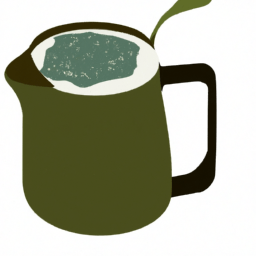
When Aureolin and Byzantine are mixed together, they create a stunning shade of olive green. The yellow tones of Aureolin blend with the purple-red undertones of Byzantine to produce a unique and earthy green hue.
Difference in Paint Colors and RGB Colors
It is important to note that colors can appear differently when mixed as paint compared to when they are represented digitally using RGB values. In the case of Aureolin and Byzantine, the mix of the two paint colors will result in a specific shade of olive green, while their RGB values will blend in a different way on a screen.
History of Aureolin and Byzantine
Aureolin has been used in painting since the early 19th century, known for its luminous and transparent properties. Byzantine, on the other hand, takes its inspiration from the rich history of the Byzantine Empire, where vibrant colors were used to decorate palaces and religious icons.
In conclusion, the combination of Aureolin and Byzantine creates a beautiful olive green color. Understanding the differences between paint colors and RGB values can help artists and designers achieve the desired results in their work.