
Welcome to our comprehensive guide on the most effective cognitive exercises for seniors. As we navigate the rich tapestry of our later years, maintaining mental sharpness is as crucial as physical health. An active brain is a resilient brain, capable of building new neural pathways and strengthening existing ones, a concept known as neuroplasticity. Just as we exercise our bodies to stay strong and flexible, engaging our minds with targeted activities helps preserve and enhance our cognitive functions.
This article isn't about generic advice; it's a practical roundup of 10 evidence-backed activities designed to stimulate specific cognitive domains, from memory and attention to creative problem-solving. We will explore how structured, enjoyable activities like paint-by-numbers, strategic games, and creative writing can become powerful tools in your cognitive wellness toolkit. Beyond simple pastimes, these exercises are structured to challenge your thinking and adaptability.
Each exercise is presented with actionable steps, adaptations for different ability levels, and clear explanations of the brain-boosting benefits. This approach empowers you to create a personalized routine that is both stimulating and deeply rewarding. To further enhance your mental acuity and decision-making, exploring ways to develop strong critical thinking skills can be incredibly beneficial. Our goal is to provide you with a detailed, practical roadmap to support your brain health, helping you feel more confident and engaged every day. Let's begin the journey to a more vibrant and resilient mind.
1. Paint by Numbers
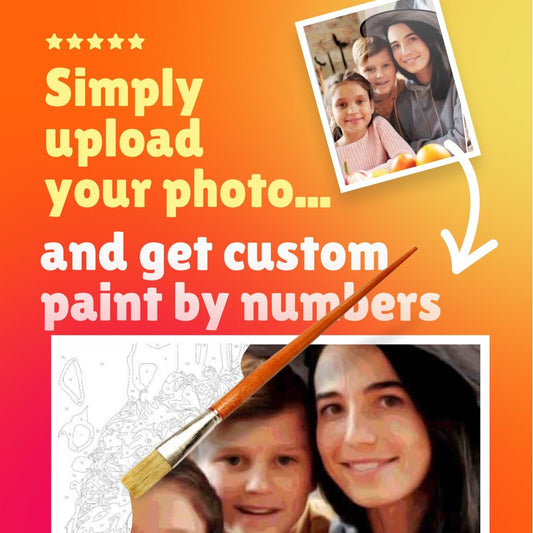
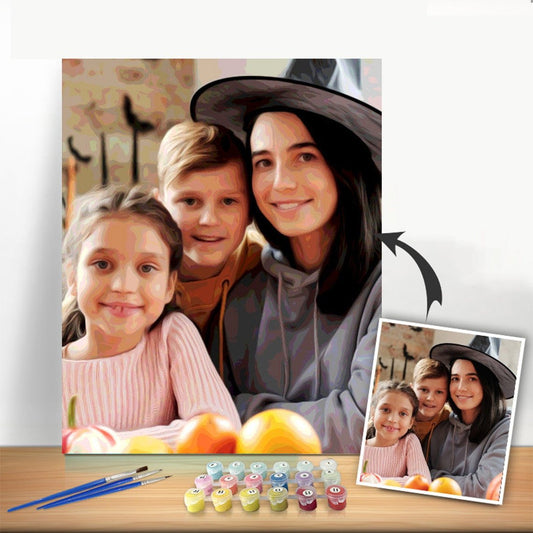
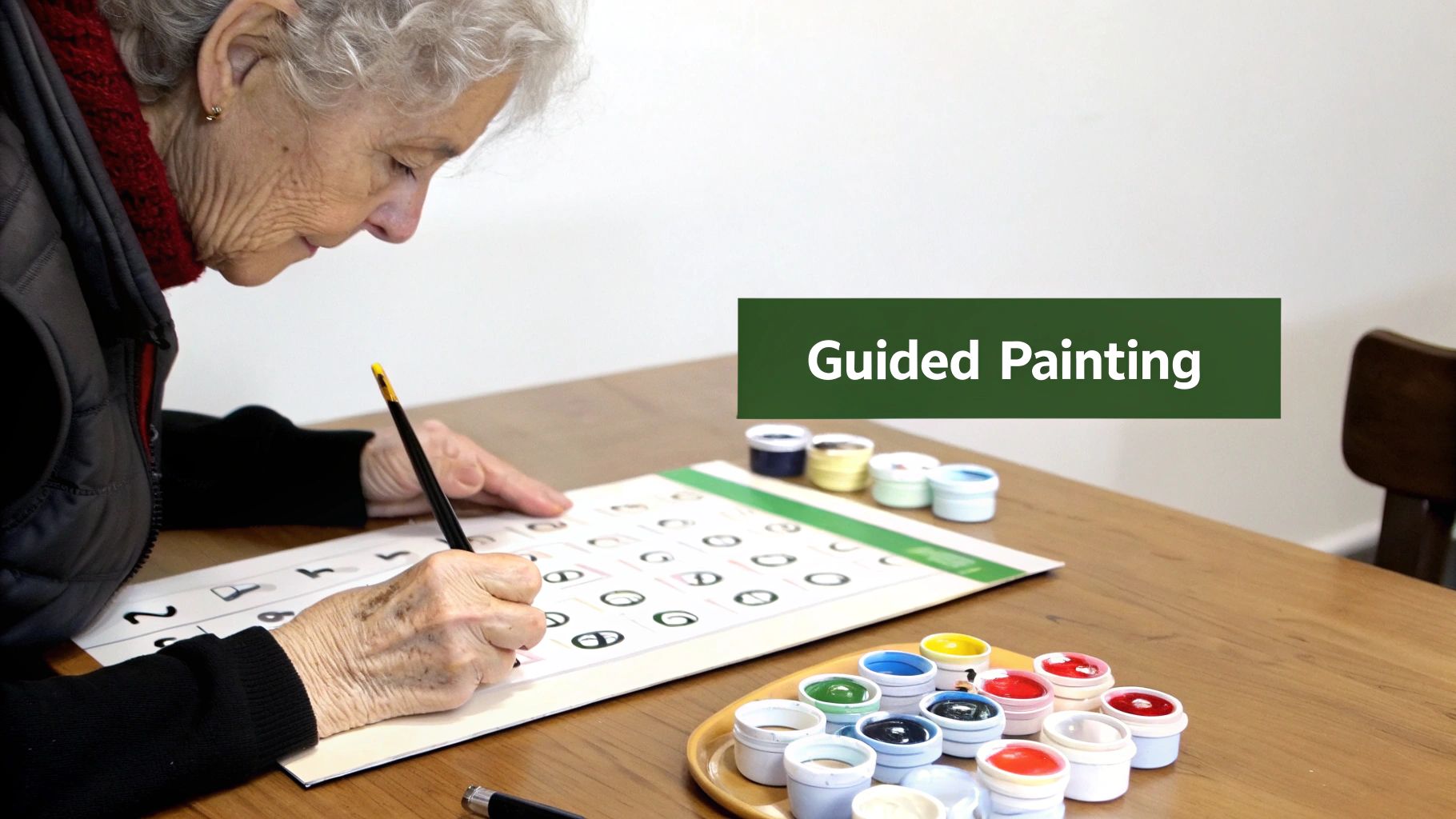
Paint by numbers offers a structured and engaging way for seniors to tap into their creativity while performing a powerful cognitive exercise. This activity involves a canvas pre-printed with numbered sections, where each number corresponds to a specific paint color. By following this guide, you methodically fill in the image, transforming a blank canvas into a complete work of art without the pressure of starting from scratch.
This process is more than just a simple craft; it's a holistic brain workout. It strengthens focus, improves hand-eye coordination, and requires sequential thinking to complete the painting in a logical order. The structured nature of the activity reduces decision fatigue, making it an accessible and calming entry point into the world of art, regardless of prior experience.
Why It's a Great Cognitive Exercise
Paint by numbers targets several key cognitive domains simultaneously. The act of matching numbers to colors enhances attention to detail and concentration. Following the sequence of numbers and applying paint within the lines stimulates executive functions like planning and organization. Furthermore, the fine motor skills required to hold a brush and paint carefully help maintain dexterity and motor control. The satisfaction of completing a project also provides a significant boost to self-esteem and mood.
Practical Tips for Getting Started
To make the experience enjoyable and effective, consider these simple steps:
- Start Small: Choose a kit with a smaller canvas and fewer, larger sections to build confidence and avoid feeling overwhelmed.
- Create Your Space: Set up a comfortable, well-lit area to prevent eye strain and ensure you can easily distinguish between colors and numbers.
- Organize Your Paints: Arrange your paint pots in numerical order before you begin. This small step saves time and reduces frustration.
- Work in Sessions: Break your painting time into manageable 30-45 minute sessions. This helps maintain focus and prevents physical fatigue.
- Celebrate Your Work: Display your finished artwork. Seeing the completed piece reinforces a sense of accomplishment and encourages you to continue with new projects. For more information, you can learn about the benefits of Paint by Numbers for seniors on paint-by-number.com.
2. Coloring and Mindfulness Coloring
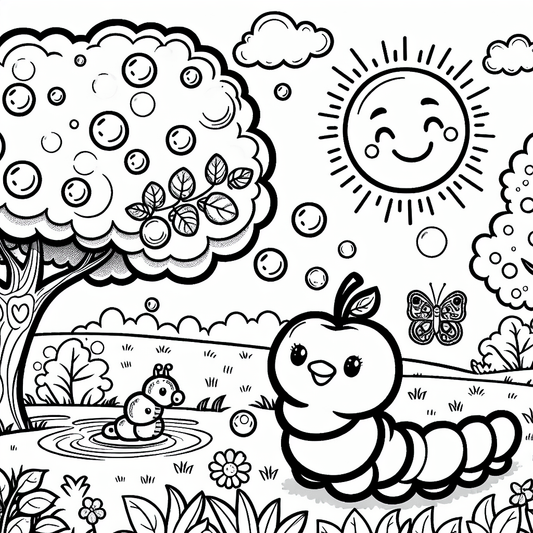
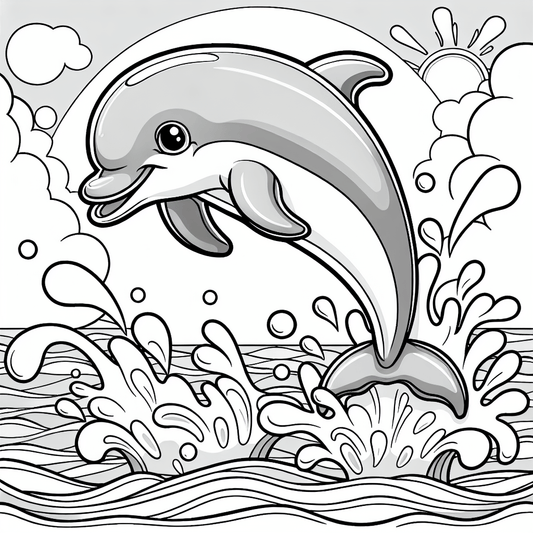
Adult coloring takes the familiar joy of a childhood pastime and elevates it into a sophisticated cognitive exercise for seniors. This activity involves filling intricate, pre-drawn designs with color, combining creative expression with structured focus. By concentrating on complex patterns like mandalas or geometric shapes, you engage in a meditative practice that calms the mind while sharpening mental acuity.
This process is a gentle yet effective form of brain training. It encourages concentration, enhances fine motor skills, and requires careful decision-making when selecting and applying colors. Unlike creating art from scratch, the pre-made designs remove the pressure of composition, making it a highly accessible and stress-reducing activity that promotes a state of mindfulness, similar to meditation.
Why It's a Great Cognitive Exercise
Coloring and mindfulness coloring target multiple cognitive functions, making it a well-rounded mental workout. The act of choosing colors and staying within the lines improves attention to detail and concentration. The repetitive motion of coloring has a soothing effect, which can reduce anxiety and improve mood, directly benefiting overall cognitive health. Furthermore, it stimulates visuospatial skills as you navigate the intricate patterns and requires fine motor control to handle pencils or markers, helping to maintain dexterity.
Practical Tips for Getting Started
To ensure a relaxing and beneficial coloring experience, follow these simple suggestions:
- Choose the Right Book: Start with books that feature larger, simpler designs to build confidence before moving to more detailed patterns.
- Select Your Tools: Use high-quality colored pencils for better control and blending capabilities. Consider ergonomic pencil grips if you have arthritis or hand weakness.
- Create a Calming Atmosphere: Set up in a quiet, comfortable space with good lighting. Playing soft, ambient music can enhance the relaxing effects.
- Don't Rush the Process: Focus on the movement and the colors rather than just finishing the page. The goal is the mindful process, not the product.
- Make it Social: Join or start a coloring group in your community. Sharing your work and coloring with others can provide social engagement and motivation. For ideas and free printable pages, you can explore resources on sites like Just Color.
3. Puzzles and Jigsaw Challenges
Puzzles and jigsaw challenges are a classic and highly effective cognitive exercise for seniors, requiring the brain to recognize patterns, spatial relationships, and minute details. This activity involves assembling fragmented pieces into a coherent whole, providing a satisfying and tangible goal that engages both the mind and the hands. It’s a low-pressure, self-paced workout that strengthens problem-solving skills and visual processing in a relaxing way.
The process of sorting pieces, identifying edges, and seeing an image slowly come together is a powerful mental workout. It simultaneously stimulates both the left hemisphere of the brain (logical, analytical) and the right hemisphere (creative, intuitive). This dual engagement makes jigsaw puzzles a comprehensive tool for maintaining cognitive agility and offers a structured sense of accomplishment that can be spread over hours or even days.
Why It's a Great Cognitive Exercise
Jigsaw puzzles directly target several crucial cognitive functions. The task of remembering the shape, color, and pattern of a piece to find its place enhances short-term memory and pattern recognition. Assembling the puzzle strengthens visual-spatial reasoning, a key skill for navigating the physical world. This activity also requires sustained attention and concentration, helping to improve focus over time. The methodical approach needed to complete a puzzle successfully is a great way to practice problem-solving and strategic thinking. For more insights, you can explore what visual-spatial skills are on paint-by-number.com.
Practical Tips for Getting Started
To ensure a positive and beneficial puzzle experience, follow these practical tips:
- Choose the Right Size: Start with a 300-500 piece puzzle. This range is challenging enough to be engaging but not so difficult that it becomes frustrating.
- Organize Your Pieces: Before you begin, sort the pieces by color and separate all the edge pieces. This creates a clear starting point and makes the process more manageable.
- Use a Puzzle Board: A puzzle mat or tray helps keep the pieces contained and allows you to move your puzzle-in-progress without disturbing it.
- Work in Sessions: Dedicate 45-60 minute sessions to puzzling. Taking regular breaks helps maintain concentration and prevents mental fatigue.
- Make It Social: Invite friends or family members to work on the puzzle with you. This adds a social dimension that can boost mood and make the activity even more enjoyable.
4. Photography and Photo Documentation
Photography and photo documentation offer seniors a dynamic way to engage with their surroundings and personal history, serving as a powerful cognitive exercise. This activity can involve taking new pictures with a camera or smartphone, or curating and organizing existing photo collections. By capturing or revisiting images, you actively engage in creative decision-making, memory recall, and storytelling.
This process is a multifaceted brain workout that encourages purposeful observation and social interaction. For those who are mobile, photography prompts exploration and a fresh perspective on familiar environments. For seniors with limited mobility, organizing personal photos provides a meaningful way to connect with a lifetime of memories, strengthening neural pathways associated with long-term memory and personal identity.
Why It's a Great Cognitive Exercise
Photography directly stimulates key cognitive functions. The act of composing a shot requires planning and problem-solving, two core components of executive function. Deciding what to capture and how to frame it enhances attention to detail and spatial awareness. When organizing old photos, the process of recalling names, dates, and events provides a potent workout for long-term memory and narrative skills. Sharing these photos and their associated stories with others also bolsters social cognition and communication.
Practical Tips for Getting Started
To begin exploring photography as a cognitive tool, consider these practical steps:
- Use a Smartphone: Modern smartphone cameras are simple to use and produce high-quality images, making them a perfect starting point.
- Learn Simple Rules: Focus on basic composition techniques like the "rule of thirds" to make photos more visually appealing without feeling overwhelmed.
- Organize by Theme: Sort existing photo collections by date, location, or life event (e.g., "holidays," "grandchildren"). This provides structure and purpose.
- Share the Stories: Make photo organization a social activity. Sit with family or friends and share the memories behind each picture to enhance the cognitive benefits.
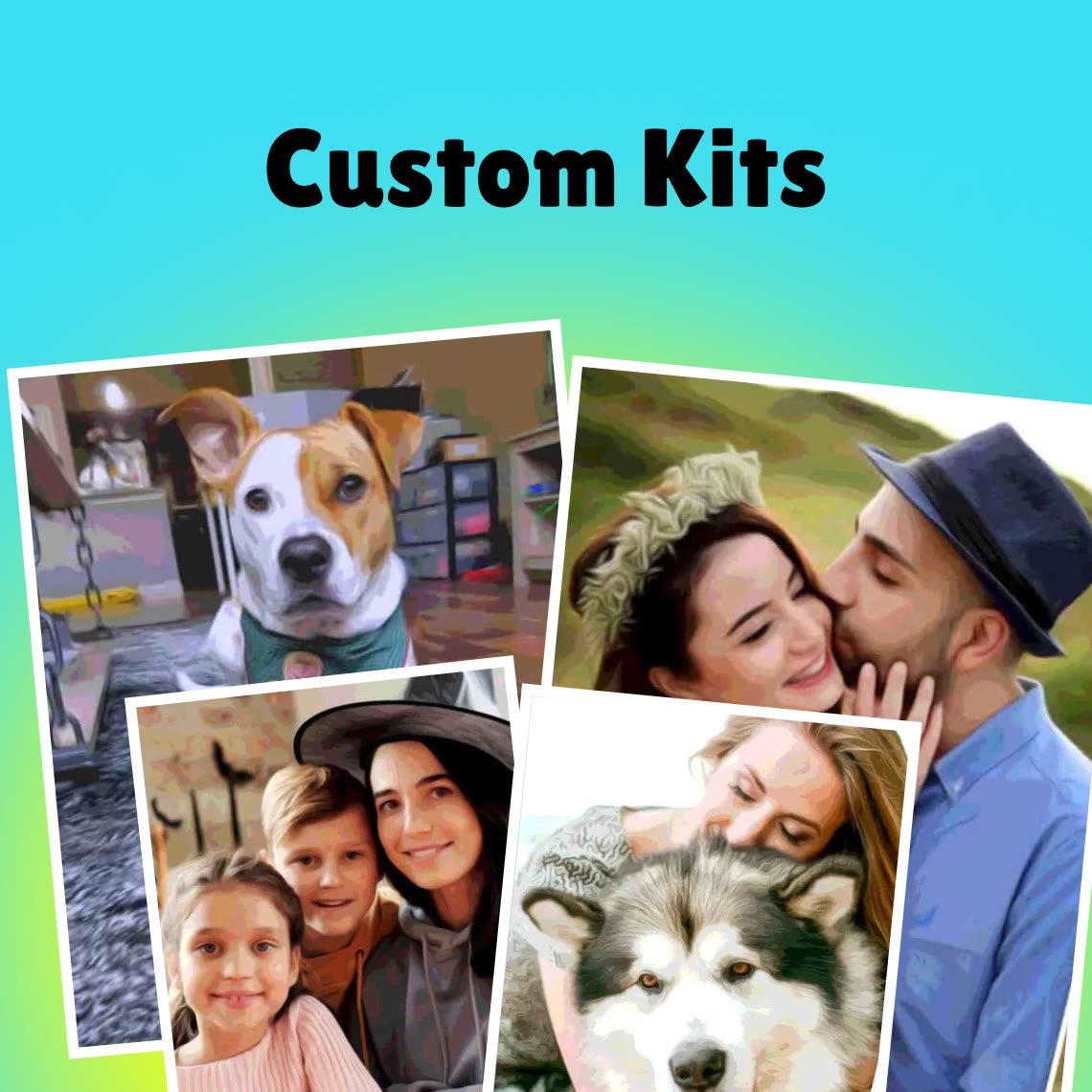
- Create a Project: Turn your photos into a tangible project, like a printed photo book, a digital slideshow, or a custom paint-by-numbers kit from a service like Custom Paint By Numbers. This creates a goal and a sense of accomplishment.
5. Creative Writing and Journaling
Creative writing and journaling offer a deeply personal and powerful way for seniors to engage in a structured cognitive exercise. This practice can take many forms, from daily journaling and memoir writing to crafting short stories or poetry. It involves organizing thoughts, retrieving memories, and structuring them into a coherent narrative, providing a meaningful way to reflect on life experiences.
This process is a multifaceted workout for the brain. It stimulates language centers, strengthens memory recall, and encourages emotional expression. The act of putting thoughts onto paper requires focus and logical sequencing, turning personal reflection into an active mental task. It provides an outlet for processing emotions and creating a tangible record of one's personal history, which can be immensely rewarding.
Why It's a Great Cognitive Exercise
Creative writing targets several essential cognitive functions. The act of retrieving and documenting past events strengthens long-term memory and episodic memory. Structuring sentences and organizing paragraphs stimulates executive functions like planning, organization, and sequencing. It also enhances language skills, including vocabulary and syntax. The reflective nature of journaling is a proven way to reduce stress and improve emotional well-being, contributing to overall brain health. As one of many therapeutic activities for mental health, writing helps maintain cognitive sharpness.
Practical Tips for Getting Started
To make writing an enjoyable and beneficial habit, consider these practical tips:
- Use Writing Prompts: Start with guided questions like "What was your favorite childhood holiday?" or "Describe your first job." This provides structure and overcomes writer's block.
- Keep It Short: Begin with brief 15-20 minute sessions a few times a week to build a consistent routine without feeling pressured.
- Ensure Accessibility: Use a large-print journal and a comfortable pen. For those with physical limitations, voice-to-text software on a computer or tablet is an excellent alternative.
- Combine with Photos: Use old photographs as inspiration. Writing captions or short stories about the people and events in the pictures can be a powerful memory trigger.
- Share Your Stories: Consider sharing your writings with family or a trusted friend. This creates a sense of connection and purpose, turning a personal exercise into a shared legacy.
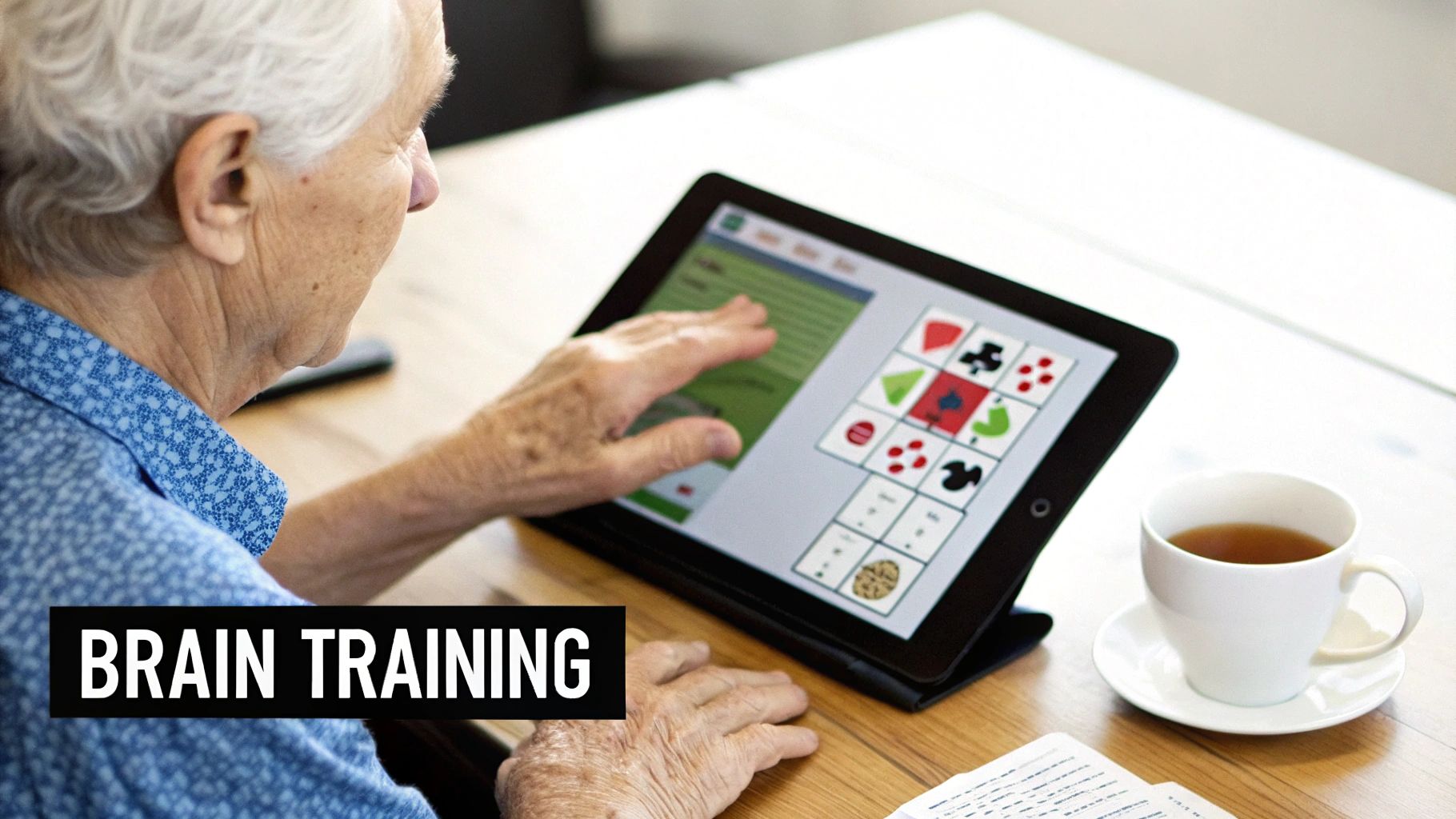
6. Memory Games and Brain Training Apps
Memory games and brain training apps offer structured, targeted exercises designed to challenge specific cognitive functions. These activities range from traditional card matching games to sophisticated digital applications that guide users through progressive challenges involving pattern recognition, timed tasks, and memory sequences. This approach provides a measurable way to engage in cognitive exercises for seniors, turning mental workouts into an accessible and often entertaining activity.
These games are more than just a pastime; they are designed to be a direct workout for the brain. They can help improve processing speed, working memory, and mental flexibility. By presenting novel problems and requiring users to recall information or identify patterns quickly, these apps and games keep neural pathways active and can help build cognitive resilience.
Why It's a Great Cognitive Exercise
Brain training apps target key cognitive domains with precision. Games that require you to remember a sequence of items or match pairs of cards directly enhance working memory and short-term recall. Timed challenges and quick decision-making tasks are excellent for improving processing speed and reaction time. Puzzles and logic games stimulate executive functions like problem-solving, planning, and mental flexibility. Many platforms, such as Lumosity and Elevate, adapt the difficulty based on performance, ensuring the brain is always appropriately challenged.
Practical Tips for Getting Started
To get the most out of these tools, approach them with a clear strategy:
- Start Simple: Begin with games at an easier difficulty level to build confidence and understand the mechanics before moving on to more complex challenges.
- Keep Sessions Short: Limit daily screen time to 20-30 minutes to prevent mental fatigue and screen exhaustion. Consistency is more important than long sessions.
- Choose Wisely: Select apps designed with seniors in mind, featuring large text, clear instructions, and intuitive interfaces. AARP’s Staying Sharp platform is a great example.
- Combine with Socializing: Whenever possible, play memory games like cards or Bingo with friends or family. The social interaction adds another layer of cognitive and emotional benefit.
- Track Your Progress: Use the app’s built-in progress trackers to stay motivated. Seeing your scores improve over time provides a powerful sense of accomplishment.
7. Art Appreciation and Museum Visits
Engaging with visual art through museum visits, art classes, or virtual tours offers a rich and stimulating cognitive exercise for seniors. This activity encourages you to look closely, think critically, and connect emotionally with different artistic expressions. It transforms passive viewing into an active mental process of interpretation, analysis, and discussion, providing both intellectual and social stimulation.
This form of engagement is more than a pleasant pastime; it’s a workout for the brain that combines sensory input with memory and reasoning. Whether exploring a local gallery or browsing the vast collections of the Metropolitan Museum of Art online, you are actively decoding visual information, forming opinions, and often sharing those ideas with others. This process builds new neural pathways and strengthens existing ones, making it an excellent and enjoyable cognitive exercise for seniors.
Why It's a Great Cognitive Exercise
Art appreciation directly targets several important cognitive functions. The act of observing a painting or sculpture in detail sharpens visual perception and attention to detail. Interpreting the meaning, symbolism, and historical context of a piece stimulates critical thinking and abstract reasoning. Recalling information about artists or art movements also engages long-term memory. Furthermore, discussing art with others enhances communication skills and provides valuable social interaction, which is crucial for overall brain health.
Practical Tips for Getting Started
To make art appreciation a rewarding and accessible habit, consider these tips:
- Start Virtually: Begin with a virtual tour through platforms like Google Arts & Culture. This allows you to explore world-famous museums from the comfort of your home.
- Seek Guided Tours: When visiting in person, join a docent-led tour. Guides provide context and stories that make the art more meaningful and easier to connect with.
- Join a Group: Look for senior art appreciation groups at local community centers or libraries. Discussing art with peers makes the experience more social and engaging.
- Focus on One Piece: Instead of trying to see an entire museum, choose one or two artworks to study closely. Spend time observing the details, colors, and composition.
- Express Your Reaction: After viewing art, take a moment to discuss your thoughts with a friend or write them down. You could even create your own art inspired by what you saw.
8. DIY and Crafting Projects
DIY and crafting projects offer a hands-on, fulfilling way for seniors to engage their minds and bodies. Activities like knitting, woodworking, beading, or upcycling items provide a tangible outlet for creativity while serving as powerful cognitive exercises for seniors. These projects require planning, sequencing, and fine motor control, all of which contribute to maintaining brain health and dexterity.
This creative process is a fantastic holistic workout for the brain. It combines creative expression with problem-solving, requiring you to follow instructions or create your own designs. The satisfaction of transforming raw materials into a finished product, whether it's a knitted scarf or a piece of jewelry, provides a powerful sense of purpose and accomplishment that supports overall mental well-being.
Why It's a Great Cognitive Exercise
Crafting projects activate multiple cognitive functions at once. The need to follow patterns or steps enhances concentration and procedural memory. Making creative choices stimulates problem-solving and flexible thinking, while the precise physical movements involved in tasks like beading or carving support fine motor skills and hand-eye coordination. Furthermore, engaging in hands-on activities, such as learning how to upcycle furniture, can directly stimulate creativity and planning abilities. The tactile nature of crafting can also be incredibly calming, helping to reduce stress.
Practical Tips for Getting Started
To ensure crafting remains a joyful and beneficial activity, follow these recommendations:
- Choose a Project You Love: Select a craft that genuinely interests you, whether it’s building a model airplane or creating a scrapbook. Personal interest is a key motivator.
- Organize Your Workspace: Set up a dedicated, well-lit area with all your materials neatly organized and within easy reach. This minimizes frustration and helps you focus.
- Start with a Kit: Beginner-friendly kits, available for everything from knitting to jewelry-making, provide all the necessary materials and instructions to guide you.
- Join a Group: Crafting can be a wonderful social activity. Look for local senior center groups, community classes, or online forums to share your passion and connect with others.
- Celebrate Your Creations: Proudly display your finished work or gift it to friends and family. Acknowledging your effort reinforces your sense of achievement and skill.
9. Learning New Skills and Educational Classes
Deliberately learning a new skill or taking an educational class offers one of the most powerful cognitive exercises for seniors. This activity challenges the brain to process novel information, recognize new patterns, and build fresh neural pathways. Whether it’s learning a new language, mastering a musical instrument, or finally figuring out a smartphone, the act of acquiring new knowledge keeps the mind agile, engaged, and resilient.
This process is a fundamental brain workout that goes beyond simple memory recall. It actively strengthens the brain's ability to adapt and grow, a concept known as neuroplasticity. The challenge of stepping outside one's comfort zone to learn something new provides a profound sense of purpose and accomplishment, combating cognitive decline while enriching daily life.
Why It's a Great Cognitive Exercise
Learning new skills targets multiple high-level cognitive domains. The process enhances memory as you absorb and retain new information, and it sharpens attention as you focus on instruction and practice. It also heavily engages executive functions like problem-solving, planning, and mental flexibility. For example, learning a language requires memorizing vocabulary (memory), understanding grammatical rules (problem-solving), and switching between languages (flexibility). This sustained mental effort strengthens neural connections and builds cognitive reserve.
Practical Tips for Getting Started
To make lifelong learning an enjoyable and effective habit, consider these steps:
- Follow Your Interests: Choose a subject you are genuinely passionate about, whether it's history, coding, or gardening. Personal interest is a powerful motivator.
- Start with a Beginner Class: Look for courses designed for absolute beginners to build a solid foundation without feeling intimidated. Many senior centers and community colleges offer introductory classes.
- Set Achievable Goals: Aim to learn one new chord on the guitar a week or master five new words in a foreign language each day. Small, consistent wins build momentum.
- Join a Group: Signing up for a class provides social interaction and accountability, making the learning process more engaging and fun.
- Practice Regularly: Dedicate short, consistent periods (e.g., 20-30 minutes, 3-4 times a week) to practice your new skill. Regularity is more effective than infrequent, long sessions.
- Embrace Technology: Platforms like Coursera or local library apps offer a vast range of free or low-cost courses you can take from the comfort of home.
10. Social Engagement and Group Activities
Engaging in structured social activities provides a powerful, multifaceted approach to cognitive health for seniors. From book clubs and game nights to community crafting circles, these interactions blend mental stimulation with the profound benefits of emotional connection. The combination of discussing ideas, strategizing in a game, or creating together builds and reinforces neural pathways in a way that solitary activities cannot.
This approach is far more than just spending time with others; it is an active cognitive exercise. It sharpens verbal communication, requires emotional processing, and enhances complex social reasoning. When social engagement is paired with other cognitive activities, like group paint-by-numbers sessions, the benefits are compounded. This synergy between mental effort and social connection is highly effective at strengthening cognitive reserve.
Why It's a Great Cognitive Exercise
Social engagement targets a wide range of critical cognitive functions. Participating in conversations improves verbal fluency and memory recall. Group activities like trivia or card games demand quick thinking, boosting processing speed and strategic planning. Navigating group dynamics also stimulates executive functions like problem-solving and emotional regulation. The inherent emotional support and reduction in feelings of isolation also contribute significantly to overall brain health and well-being.
Practical Tips for Getting Started
To integrate social activities effectively and enjoyably, consider these tips:
- Align with Interests: Choose activities you genuinely enjoy, whether it's a book club, a gardening group, or a weekly card game, to ensure long-term participation.
- Start with Structure: Look for facilitated groups at local senior centers, libraries, or community centers. This provides a clear schedule and a welcoming environment.
- Attend Consistently: Regular attendance is key to building meaningful relationships and reaping the full cognitive benefits.
- Combine Activities: Organize a group to work on projects together. Custom Paint By Numbers, for example, offers group kits that make for a perfect shared creative experience.
- Volunteer Your Skills: Leading a discussion or hosting a session can deepen engagement and provide a sense of purpose and accomplishment.
Top 10 Cognitive Exercises for Seniors — Comparison
| 🔄 Implementation Complexity | ⚡ Resource & Accessibility | 📊 Expected Outcomes | 💡 Ideal Use Cases / Tips | ⭐ Key Advantages |
|---|---|---|---|---|
| Paint by Numbers — Low: stepwise, guided; minimal skill required | Low–Medium: kit, brushes, good lighting; customizable from photos | Improves fine motor control, color recognition, sequential processing; calming | New artists & group sessions; start small canvases, 30–45 min sessions | Low barrier, reduces decision fatigue, customizable, therapeutic |
| Coloring & Mindfulness — Very Low: pre-drawn designs, simple process | Very Low: pencils/markers, printable or digital formats; portable | Reduces anxiety, enhances focus and fine motor control; promotes mindfulness | Stress relief & short sessions; use colored pencils, larger sections for vision issues | Meditative, inexpensive, highly accessible |
| Puzzles & Jigsaws — Medium: requires planning and spatial strategy | Medium: table space, many pieces; large-piece options for accessibility | Strengthens visual‑spatial reasoning, pattern recognition, problem‑solving; long engagement | Long-term projects or social groups; start with 300–500 pieces, use trays/boards | High cognitive demand, social-friendly, tangible progress |
| Photography & Photo Documentation — Low–Medium: basic composition and organization | Low: smartphone/camera; some digital literacy may be needed | Activates autobiographical memory, creativity, social sharing; purposeful output | Mobility-limited seniors or storytelling projects; start with smartphone, print photo books | Encourages exploration, memory access, adaptable to abilities |
| Creative Writing & Journaling — Low–Medium: depends on prompts and structure | Very Low: journal or device; large-print or voice-to-text for accessibility | Enhances language, memory retrieval, emotional processing; creates lasting records | Reminiscence therapy, memoirs; use prompts, 20–30 min sessions, voice-to-text if needed | Low cost, supports emotional expression, flexible pacing |
| Memory Games & Brain Training Apps — Low: guided, progressive tasks | Medium: tablet or physical games; choose large-text interfaces | Targets working memory, processing speed, attention; measurable progress | Short daily sessions (≤30 min); select senior-friendly apps, combine with social play | Personalized tracking, motivating, varied cognitive targets |
| Art Appreciation & Museum Visits — Low: passive to guided engagement | Medium: transport or virtual access; possible fees | Improves visual analysis, cultural knowledge, emotional well‑being, social discussion | Virtual tours for mobility limits; join docent-led groups for deeper discussion | Cultural enrichment, social interaction, inspiration for creative work |
| DIY & Crafting Projects — Medium: learning tools/techniques, variable complexity | Medium–High: materials, workspace, sometimes specialized tools | Builds motor skills, planning, problem-solving; produces functional/tangible items | Start with structured crafts (paint-by-numbers); organize materials, work in 45–60 min sessions | Purposeful output, skill-building, adaptable difficulty |
| Learning New Skills & Classes — Medium–High: structured curricula, sustained effort | Medium: classes, materials, possible tech; transport or online access | Strong cognitive stimulation, improves executive function, promotes neuroplasticity | Choose interest-aligned beginner classes, practice regularly (3–4×/week) | Long-term cognitive benefits, social learning, confidence building |
| Social Engagement & Group Activities — Low–Medium: coordination and facilitation required | Medium: meeting space, scheduling, transportation or virtual setup | Enhances social cognition, language, emotional regulation; reduces isolation | Group paint-by-numbers, book clubs, game nights; attend consistently, start with facilitated groups | Combines cognitive + emotional benefits, increases motivation and belonging |
Your Next Step: Building a Sustainable Brain Health Routine
We have journeyed through a comprehensive collection of activities designed to keep your mind sharp, engaged, and resilient. From the structured creativity of paint-by-numbers and the mindful focus of coloring to the strategic thinking required for puzzles and the social joy of group activities, it is clear that the landscape of cognitive exercises for seniors is rich and wonderfully diverse. The goal isn't to become an expert in all ten areas overnight. Instead, the true power lies in building a sustainable, enjoyable, and personalized brain health routine that fits seamlessly into your life.
The most effective approach is one you can stick with. Think of it less as a chore and more as an investment in your long-term well-being and independence. Consistency will always yield better results than sporadic, intense effort. The key is to find the joy in the process and celebrate the small victories along the way, whether it's completing a challenging sudoku, finishing a complex crafting project, or simply sharing a meaningful conversation with a friend.
Synthesizing the Exercises for Maximum Impact
The beauty of these cognitive exercises is how they can be combined to create a holistic and balanced mental workout. A well-rounded routine challenges different parts of your brain, preventing mental stagnation and promoting neuroplasticity, which is your brain's amazing ability to reorganize itself by forming new neural connections.
Consider creating a weekly "brain fitness" schedule that blends different types of activities. This approach ensures you are targeting multiple cognitive domains consistently.
- Monday & Friday (Focus & Fine Motor Skills): Dedicate these days to activities that require concentration and hand-eye coordination. This could be working on a detailed jigsaw puzzle, practicing a new recipe, or spending an hour with a mindfulness coloring book. These tasks sharpen your attention and executive function.
- Tuesday & Thursday (Memory & Social Connection): Engage in activities that stimulate your memory and involve social interaction. You could attend a book club meeting, play a card game like bridge with friends, or use a brain-training app and then discuss your progress with a family member. Social engagement itself is a powerful cognitive booster.
- Wednesday (Creativity & Novelty): Use the middle of the week to learn something new or express your creative side. Sign up for that pottery class you've been curious about, try a creative writing prompt, or visit a local museum. Novel experiences are particularly effective at building new cognitive pathways.
- Weekend (Relaxation & Reflection): Use the weekend for more leisurely cognitive engagement. This could involve gentle activities like organizing old photographs and reminiscing about the stories behind them, or spending time in nature while actively observing your surroundings.
Key Takeaway: The goal is not perfection, but participation. The most impactful routine is one that feels less like a prescription and more like a collection of enriching hobbies you genuinely look forward to.
Making It Personal: Your Path to a Healthier Brain
The most crucial step you can take right now is to choose one or two activities from this list that genuinely spark your interest. Don't select an activity based on what you think you should be doing. Choose what you want to do. Your motivation and enjoyment are the fuel that will sustain your practice over the long term.
If you love art but feel intimidated by a blank canvas, the structured guidance of a paint-by-numbers kit is a perfect starting point. If you thrive on social energy, joining a walking group or a local club will provide both physical and mental benefits. By aligning these cognitive exercises for seniors with your personality and passions, you transform them from a simple task into a fulfilling part of your identity.
Remember to adapt any activity to your current ability level. If a 1000-piece puzzle seems daunting, start with 300 pieces. If a full-length novel is too much, begin with short stories or poetry. The journey of maintaining cognitive health is a marathon, not a sprint. Embrace the process, be patient with yourself, and continue to explore the countless ways you can keep your mind vibrant and engaged for all the years to come.
Ready to begin your journey with a creative and calming cognitive exercise? Transform a cherished personal photograph into a work of art with a kit from Custom Paint By Numbers. It is the perfect, accessible way to engage your focus, practice fine motor skills, and create a beautiful keepsake. Visit Custom Paint By Numbers to start your first project today.