
The Color Mixing of Aureolin and Pistachio
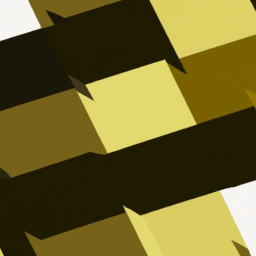
When mixing Aureolin and Pistachio together, the resulting color is a warm, sandy yellow with a hint of green. Aureolin is a bright, slightly greenish yellow color, while Pistachio is a light green with a yellow undertone. When combined, they create a unique and vibrant color that is perfect for adding warmth and depth to any project.
Difference Between Paint Colors and RGB Colors
It's important to note the difference between colors in paint form and colors in digital form. Paint colors are typically created by mixing various pigments together, while digital colors are represented using the RGB (Red, Green, Blue) color model. When mixing paint colors like Aureolin and Pistachio, the resulting color will be physically different from the digital representation of that color on a screen.
History of Aureolin
Aureolin, also known as Cobalt Yellow, is a pigment that was first discovered in the early 19th century. It was frequently used by famous artists such as Vincent van Gogh and Claude Monet for its vibrant and luminous yellow color. Aureolin has a rich history in the world of art and is still a popular choice among artists today.
History of Pistachio
Pistachio is a color that gets its name from the color of the pistachio nut. It is a light green color with a yellow undertone, giving it a soft and subtle hue. Pistachio has been used in art and design for centuries, often associated with freshness, nature, and tranquility. Its calming properties make it a popular choice for interior design and fashion.
In conclusion,
When mixing Aureolin and Pistachio together, you will create a warm, sandy yellow with a hint of green. This unique color combination is perfect for adding depth and warmth to any project. Understanding the differences between paint colors and RGB colors, as well as the history of Aureolin and Pistachio, can help you appreciate the beauty and versatility of these colors.