
Are you ready to unlock your inner artist but feel intimidated by a blank canvas? The secret isn't raw talent; it's choosing the right subject. Many aspiring painters quit before they start, simply because they tackle complex scenes that require advanced skills they haven't developed yet. This guide solves that problem by revealing the perfect entry points into the world of painting. We've curated a list of surprisingly simple yet beautiful subjects that build confidence, teach fundamental techniques, and deliver stunning results. Finding an easy thing to paint for beginners is the most crucial first step.
This list is designed to be your roadmap, whether you're painting freehand, following a tutorial, or even using a paint-by-number kit. Each idea is broken down to be approachable and rewarding, ensuring your first experience is a positive one. We will cover everything from minimalist mountain ranges and abstract geometric shapes to striking animal silhouettes and vibrant galaxy scenes. You will learn not just what to paint, but why these subjects are perfect for building your skills. To get started, consider exploring diverse wall art options for inspiration on your first masterpiece. Let's explore the easiest, most rewarding projects to begin your painting adventure.
1. Two-Tone Sunset with Palm Silhouette
A two-tone sunset is a perfect easy thing to paint for beginners because it creates a stunning visual with minimal complexity. This project focuses on two core skills: blending a simple color gradient for the sky and creating a sharp, solid silhouette. The beauty lies in its simplicity; you don't need to worry about intricate details, shading, or perspective.
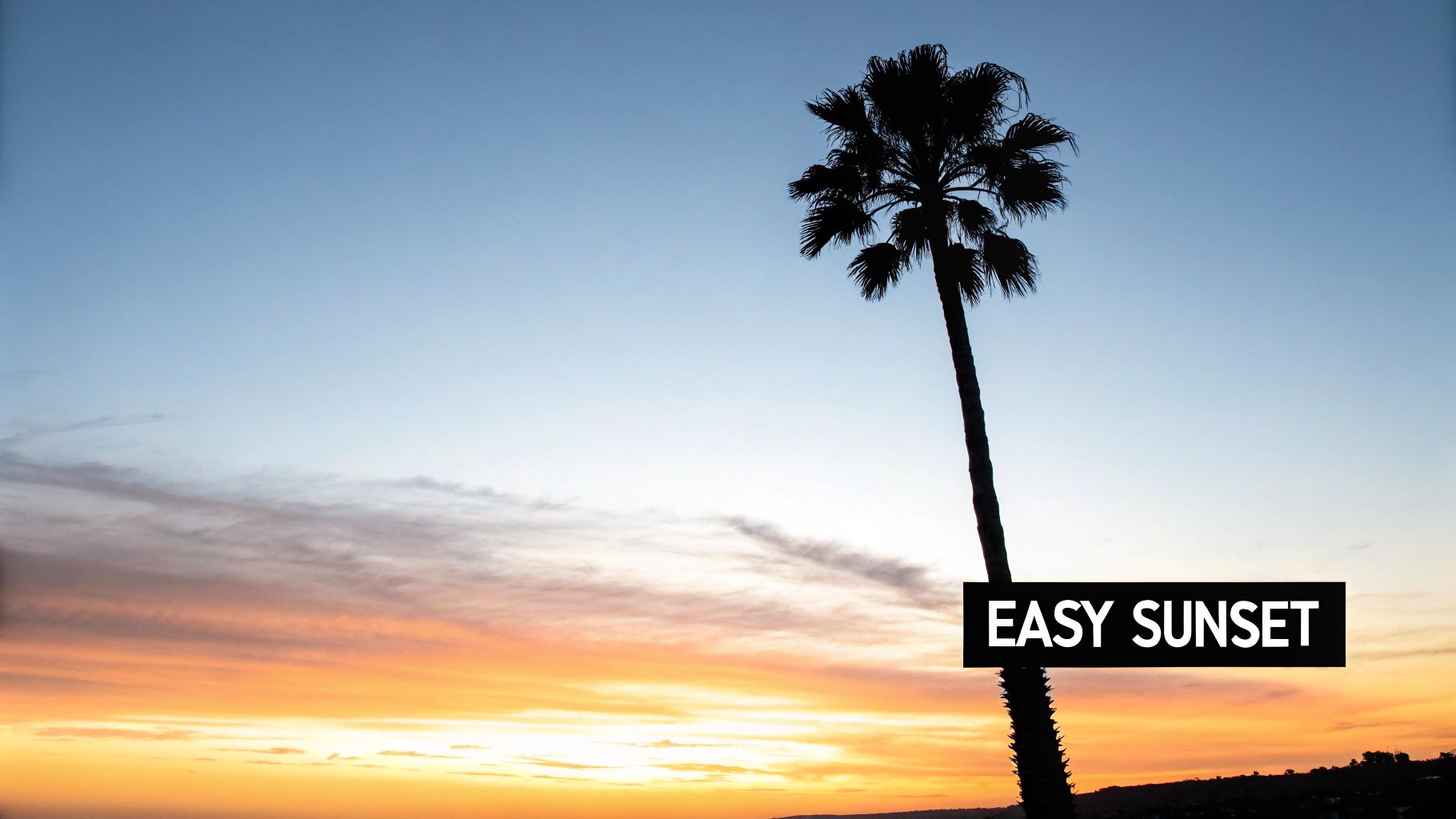
This style, popularized by artists like Bob Ross and adapted into kits like Custom Paint By Numbers’ ‘Tropical Sunset’, proves that a limited color palette can deliver a dramatic impact. By focusing on just a few colors for the background and solid black for the foreground, you can achieve a professional-looking result on your first try.
Why It’s Great for Beginners
The simple, high-contrast composition allows you to practice fundamental techniques without feeling overwhelmed. It’s an ideal project for building confidence and understanding how colors can work together to create a powerful mood. The lack of fine detail in the silhouette makes it forgiving, and the gradient background is a fun introduction to color blending.
Quick Tips for Success
- Start from the top: Begin painting the lightest color of your sunset at the top of the canvas and work your way down to the darker shade. This prevents drips from ruining your lighter areas.
- Create a crisp horizon: Use a piece of painter's tape to create a sharp, clean line for your horizon. Let the sky dry completely before peeling it off.
- Paint the silhouette last: Ensure your beautiful gradient background is completely dry before painting the black palm tree over it. This prevents muddy colors and keeps your silhouette’s edges sharp.
For a more in-depth guide on creating the perfect gradient, you can learn how to paint a sunset and master the blending techniques required for this project.
2. Minimalist Mountain Range
A minimalist mountain range is another fantastic easy thing to paint for beginners, focusing on layering and creating a sense of depth with simple shapes. This project involves painting several overlapping mountain peaks using three or four solid, flat colors. There is no complex blending or shading required, making it an excellent exercise in color blocking and composition.
This modern, clean aesthetic is popular in graphic design and home decor, seen in prints from artists like Michael Ward and in beginner-friendly kits such as Custom Paint By Numbers’ ‘Alpine Serenity’. The beauty of this project is its simplicity; by just layering flat colors, you can create a striking and serene landscape.
Why It’s Great for Beginners
This project introduces the concept of atmospheric perspective (where distant objects appear lighter) in a very manageable way. It’s perfect for practicing brush control to create clean lines and understanding how to build a composition layer by layer. The forgiveness of solid shapes allows you to easily correct mistakes without ruining the entire piece.
Quick Tips for Success
- Start from the back: Paint the sky and the furthest, lightest-colored mountain first. Let each layer dry completely before painting the next, darker mountain in front of it.
- Use a flat brush: A flat-edged brush will help you create crisp, clean lines for the mountain peaks. Turn your canvas if needed to get the right angle.
- Mix enough paint: Before you start a section, mix more than enough of that color to cover the entire shape. This ensures a consistent, even coat without visible streaks from remixing.
3. Sunflower Close-Up
A sunflower close-up is an excellent easy thing to paint for beginners because it breaks down a complex subject into simple, manageable shapes. This project helps you practice layering colors and creating texture without the pressure of a full landscape. Focusing on a single, large flower head against a simple background allows you to concentrate on basic techniques like petal strokes and pointillism for the center.
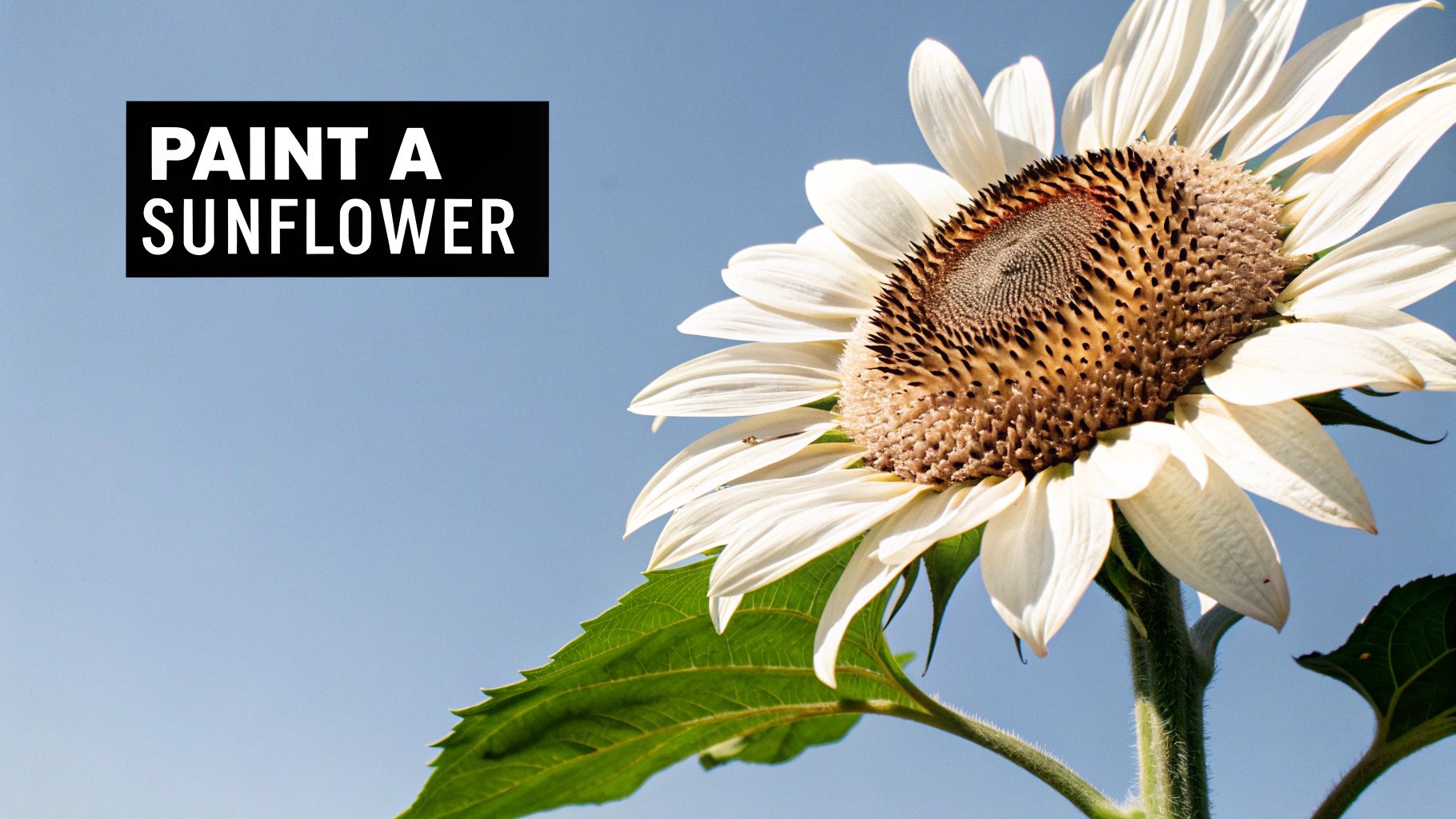
While masters like Vincent van Gogh brought sunflowers to fame, modern interpretations by artists like Jane Davenport and kits such as Custom Paint By Numbers’ ‘Golden Bloom’ make the subject incredibly accessible. The clear distinction between the petals, the textured center, and the background simplifies the painting process into distinct, satisfying steps.
Why It’s Great for Beginners
The large, bold petals are forgiving and don't require perfect lines, making it a fantastic exercise in forming simple shapes and understanding light. The patterned center offers a fun opportunity to experiment with texture by creating dots, a technique known as pointillism. This focused composition removes the complexity of perspective and background details, building your confidence with a beautiful result.
Quick Tips for Success
- Dot the center: Use the tip of a small, round brush to create the seed pattern in the center. Tapping the brush straight down will create consistent dots for a textured look.
- Layer petal colors: Start with a base layer of light yellow for all the petals. Once dry, add strokes of a slightly darker yellow or orange near the center to create depth.
- Keep it loose: Don't worry about making every petal outline perfect. Loose, slightly curved brushstrokes will give your sunflower a more natural and organic appearance.
4. Abstract Geometric Composition
An abstract geometric composition is a fantastic easy thing to paint for beginners who prefer structure and clean lines over organic shapes. This project involves creating a balanced design using simple shapes like triangles, circles, and rectangles. It’s all about color placement and crisp edges, not realistic representation, making it a stress-free entry into painting.
This style, inspired by artists like Piet Mondrian and the De Stijl movement, has been modernized in designs like Custom Paint By Numbers’ ‘Geo Chic’ collection. By focusing on a limited palette of bold or pastel colors, you can create a visually striking piece of modern art with very basic techniques.
Why It’s Great for Beginners
Geometric art removes the pressure of recreating reality. Instead, you can focus on mastering fundamental skills like creating clean lines, applying even coats of paint, and understanding color harmony. The structured nature of the design is very forgiving and offers a clear roadmap from start to finish, which builds confidence.
Quick Tips for Success
- Plan your design: Lightly sketch your shapes with a pencil and ruler before you begin painting. This ensures your composition is balanced and your lines are straight.
- Use painter's tape: For perfectly sharp, razor-clean edges, apply low-tack painter’s tape along the lines of each shape. Paint one color, let it dry completely, then remove the tape.
- Group your colors: To create a sense of visual harmony, paint shapes that are near each other with similar or complementary hues. This helps guide the viewer's eye across the canvas.
To explore this style further, you can discover more about abstract art paint by numbers and how pre-made kits simplify the process.
5. Animal Silhouette Series
Painting an animal silhouette is another fantastic easy thing to paint for beginners, as it shifts the focus from complex anatomical details to creating a strong, recognizable shape. This project combines a simple, often colorful background with a solid foreground figure, like a cat on a fence or an elephant against the horizon. The power of this style comes from negative space, where the background colors define the form.
Popularized in modern times by street artists like Banksy and seen in various stencil art movements, this technique proves that a simple outline can be incredibly expressive. Custom Paint By Numbers kits like ‘Wildlife Shadows’ also use this high-contrast method to make iconic animal shapes accessible to everyone, regardless of drawing skill.
Why It’s Great for Beginners
This project removes the pressure of getting fur textures, facial features, or muscle definition right. Instead, you can concentrate on two key skills: creating a clean, crisp outline and painting a blended or abstract background. It’s an incredibly forgiving project that builds confidence and delivers a bold, graphic result.
Quick Tips for Success
- Trace for accuracy: To ensure your animal shape is perfect, find a silhouette online, print it, and use graphite paper to trace the outline directly onto your canvas.
- Background first: Always paint your vibrant or graded background first and let it dry completely. This is the most crucial step to prevent colors from mixing and becoming muddy.
- Use a fine liner for edges: After filling in the main body of the silhouette, use a small, fine-tipped brush to carefully paint the edges. This will give you a professional, sharp outline.
6. Simple City Skyline at Dusk
A simple city skyline at dusk is an excellent easy thing to paint for beginners as it transforms basic geometric shapes into a captivating urban scene. This project introduces layering and atmosphere creation without requiring complex architectural detail. You'll focus on creating a multi-hued dusk sky and then layering dark, blocky building silhouettes over it to build a sense of depth and scale.
This evocative style is seen in modern travel posters and kits like Custom Paint By Numbers’ ‘Evening Metropolis’. The approach proves that you don't need to be an expert in perspective to create an impressive cityscape; the power comes from the bold contrast between the colorful, blended sky and the sharp, dark buildings in the foreground.
Why It’s Great for Beginners
The city skyline allows you to practice creating straight lines and simple shapes while also experimenting with a beautiful gradient background. Varying the building heights is a straightforward way to create visual interest, and adding tiny window lights at the end is a satisfying final touch that brings the entire scene to life. It’s a very forgiving project that looks more complex than it is.
Quick Tips for Success
- Blend the sky wet: For a seamless gradient in your dusk sky, blend your colors (like purples, pinks, and oranges) together while the paint is still wet on the canvas.
- Vary building heights: To avoid a monotonous, flat look, create a dynamic silhouette by varying the heights and widths of your buildings. Overlap some of them to create a sense of depth.
- Add lights last: Let your dark building silhouettes dry completely. Then, use the tip of a small round brush or a toothpick to dab on small dots of yellow or white paint for window lights.
7. Personalized Photo Portrait
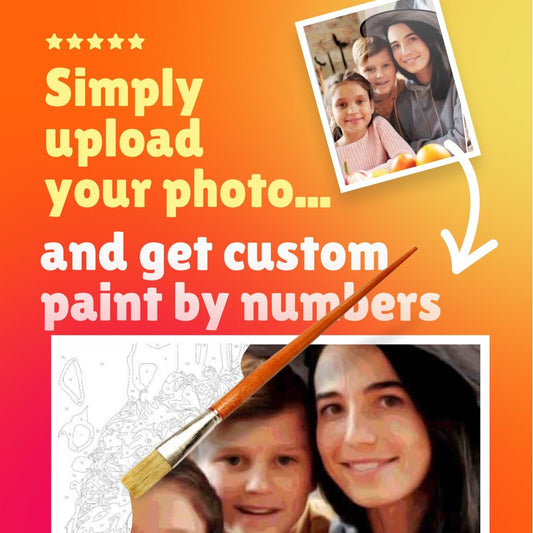
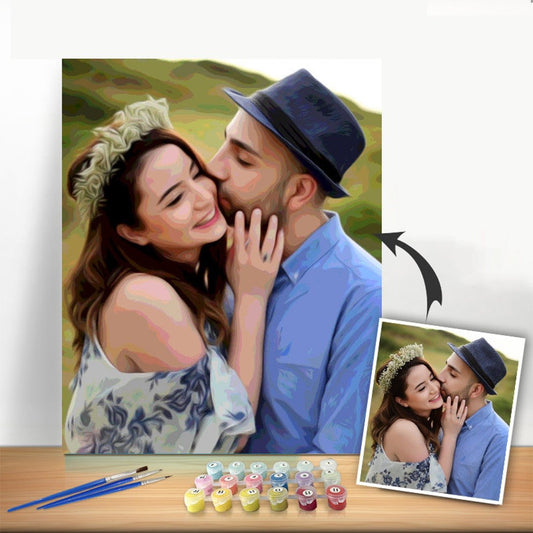
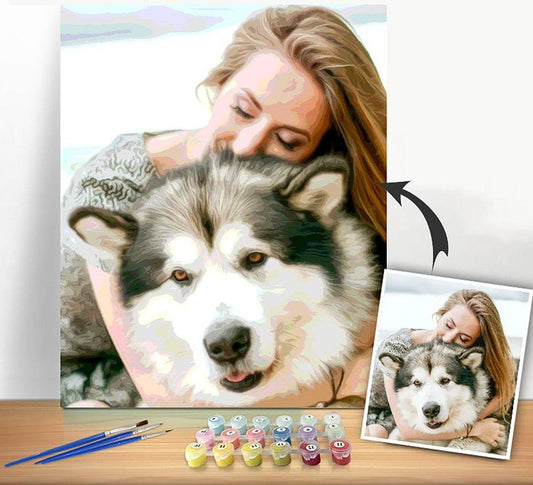
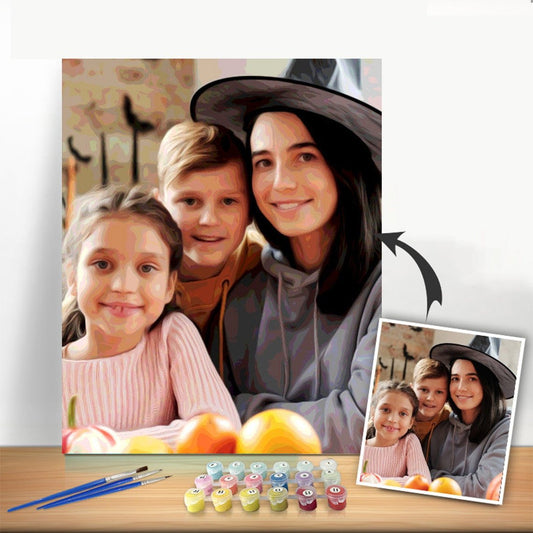
Turning a cherished photograph into a painting is one of the most rewarding yet seemingly difficult projects. However, a custom paint-by-number kit makes this a surprisingly easy thing to paint for beginners. This process converts your photo of a pet, family member, or vacation memory into a numbered canvas, with each number corresponding to a specific paint color, removing all the guesswork of composition and color mixing.
This approach, popularized by services like Custom Paint By Numbers, allows anyone to create a deeply personal and detailed masterpiece regardless of their skill level. By following the pre-mapped guide, you can focus purely on the meditative process of applying paint, ensuring a beautiful result that faithfully captures your original photo. The finished piece is a unique work of art with powerful sentimental value.
Why It’s Great for Beginners
This method eliminates the most intimidating parts of painting: drawing a subject accurately and choosing the right colors. The numbered guide builds confidence by guaranteeing a successful outcome, allowing you to practice brush control and patience. It's a structured, stress-free way to create something meaningful, making it perfect for those who want a guided artistic experience.
Quick Tips for Success
- Choose a quality photo: Select a high-contrast, well-lit image for the best results. Clear details and good lighting make it easier for the software to create distinct color regions.
- Select the right complexity: Opt for a kit with 30-50 colors for a balanced, medium-complexity portrait. Too few colors can look blocky, while too many can be overwhelming.
- Work in sections: Tackle one small, numbered area at a time to keep the process manageable and avoid smudging wet paint. This helps maintain focus and ensures clean lines.
8. Beach Scene with Palm and Waves
A tranquil beach scene is an excellent easy thing to paint for beginners, as it breaks down a complex landscape into simple, manageable shapes. This project teaches you to handle different textures, from the smooth sky and soft sand to the dynamic movement of waves, while also practicing straight lines for the palm tree trunk and delicate strokes for its fronds.
The enduring appeal of this subject is seen in everything from the luminous tropical seascapes of Thomas Kinkade to modern decorative art. Kits like Custom Paint By Numbers’ ‘Coastal Calm’ capture this serenity, proving that you can create a peaceful, inviting scene by combining a few basic elements: sky, sea, sand, and a single palm.
Why It’s Great for Beginners
This composition introduces a variety of simple brush techniques in one painting. You'll learn to blend colors for the sky and sea, stipple for sandy texture, and use liner brushes for fine details on the palm tree. The distinct sections for the sky, water, and sand make it easy to work on one part at a time without feeling overwhelmed.
Quick Tips for Success
- Outline waves first: Before filling in the ocean, use white paint to lightly sketch the crests of your waves. This helps you paint the deeper blue and turquoise colors around them, making the foam stand out.
- Use a liner brush for fronds: For realistic palm fronds, use a thin liner brush and paint each leaf with a single, quick, curving stroke outward from the center.
- Paint horizontally: Keep your canvas lying flat when painting the sky and sea. This simple trick uses gravity to your advantage, preventing drips and creating smoother blends.
9. Galaxy Nebula Starfield
A galaxy nebula starfield is a captivating and surprisingly easy thing to paint for beginners. This project allows you to create an awe-inspiring cosmic scene using just a few colors and simple techniques. The focus is on blending and texture, letting you create dreamy, ethereal clouds of color without worrying about precise lines or realistic shapes. The abstract nature of a nebula is very forgiving.
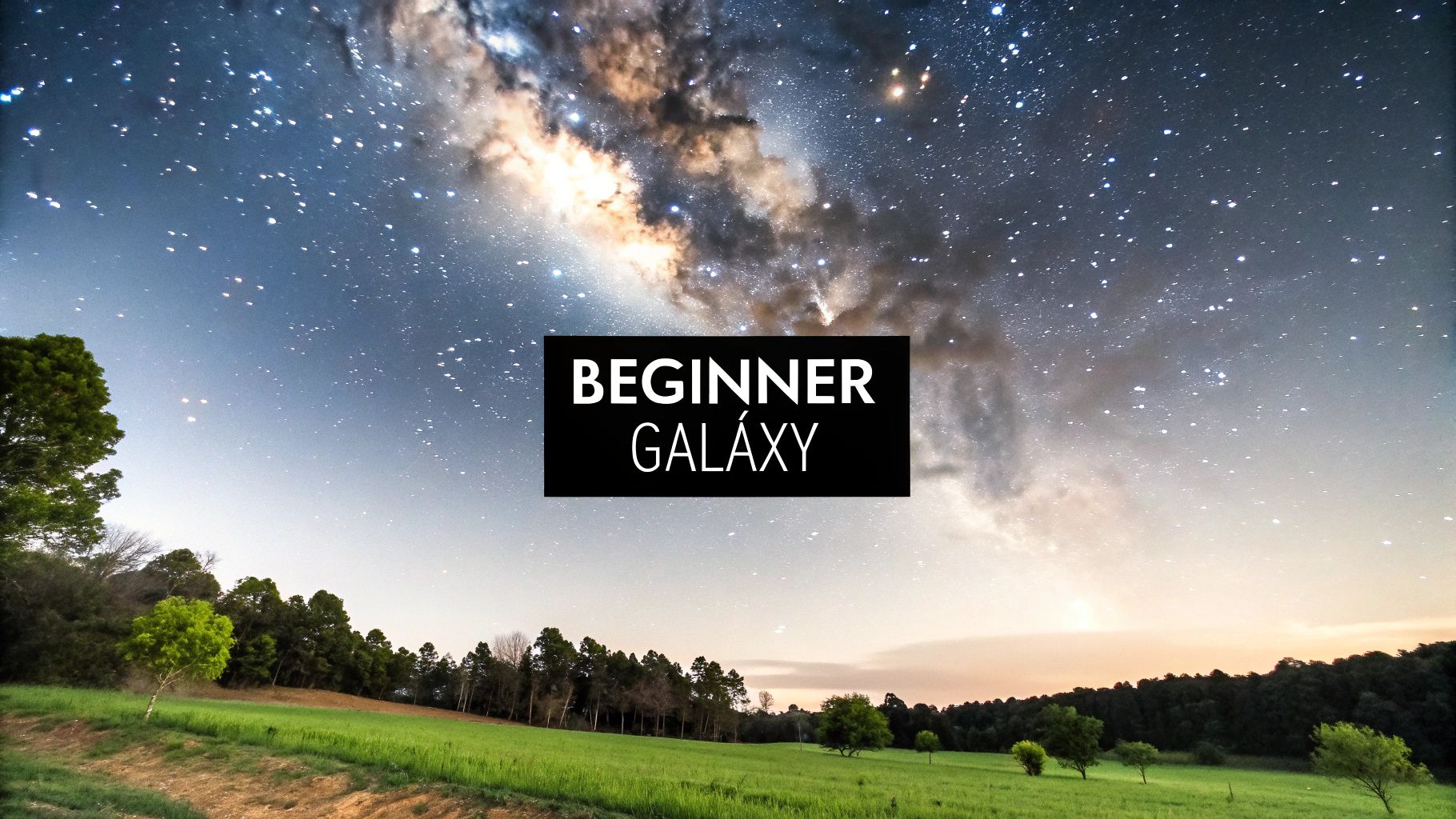
This style is heavily inspired by incredible NASA imagery and has been popularized across online art communities and through tutorials by artists like Petra Wright. The process encourages experimentation with dark blues, purples, and pinks against a black background, delivering a high-impact result that looks far more complex than it is to create.
Why It’s Great for Beginners
A galaxy painting frees you from the pressure of perfection. There's no right or wrong way for a nebula to swirl, which makes it a fantastic project for practicing blending techniques and building confidence. You can use unconventional tools like sponges and toothbrushes, making the process fun and experimental while still producing a stunning piece of art.
Quick Tips for Success
- Create texture with a sponge: After laying down your base colors, use a sponge to dab on layers of purples, pinks, and whites. This creates the soft, cloudy texture of a nebula.
- Splatter your stars: For a realistic starfield, dip an old toothbrush or a stiff-bristled brush in white paint, pull the bristles back with your thumb, and flick them at the canvas.
- Work dark to light: Start with your black or dark blue background, then blend in the nebula colors, and finish with the bright white stars. This layering technique gives your galaxy depth.
Mastering the soft transitions between colors is key to a beautiful nebula, and you can learn more about how to blend paint colors to perfect your cosmic scene.
10. Simple Mandala Pattern
A simple mandala pattern is an excellent easy thing to paint for beginners as it combines meditative repetition with creative expression. This project is all about symmetry, fine-line work, and methodical coloring, making it a fantastic way to practice brush control and develop a steady hand. The beauty of a mandala lies in its structured yet flexible nature; you can create a stunning, intricate-looking piece by simply repeating basic shapes in a circular pattern.
This art form has been popularized in adult coloring books by artists like Johanna Basford and is widely used in mindfulness art therapy programs. Its rhythmic process helps foster relaxation and focus. By concentrating on repeating small, manageable sections, beginners can build a complex and visually impressive design without feeling overwhelmed by a large, blank canvas.
Why It’s Great for Beginners
The repetitive, segmented nature of a mandala breaks down the painting process into small, achievable steps. It's a low-pressure project that allows you to focus purely on the joy of applying paint and color. This forgiving format is perfect for building confidence in your brushwork and understanding how a limited color palette can create a harmonious and cohesive design.
Quick Tips for Success
- Work from the center out: Start your painting from the very center of the mandala and work your way outward. This prevents you from smudging wet paint as you add new layers and sections.
- Use a fine-liner brush: For crisp, clean outlines and intricate details, a fine-liner brush is essential. It will give your work a professional, polished look.
- Limit your color palette: Stick to three complementary colors to ensure your final piece looks coherent and balanced rather than chaotic. This also simplifies the decision-making process.
10 Easy Beginner Paintings Compared
| Design | 🔄 Implementation Complexity | ⚡ Resources & Time | 📊 Expected Outcome & Key Advantage | Ideal Use Cases | 💡 Quick Tip |
|---|---|---|---|---|---|
| Two-Tone Sunset with Palm Silhouette | Low — simple shapes, basic gradient blending | Minimal (2 colors + black); 1–2 evenings | ⭐⭐⭐ — high visual impact with limited detail practice | Fast beginner project to learn blending | Start top-down; use dry-brush for smooth transitions |
| Minimalist Mountain Range | Low–Medium — layering and overlap precision | Few paints (4–6); short sessions | ⭐⭐⭐ — teaches foreground-to-background layering | Practice simple perspective and large-area brush control | Paint furthest peak first; use a flat brush for clean edges |
| Sunflower Close-Up | Medium — repetitive petals and seed detailing | Moderate (yellow palette; dotting tools); quick visible progress | ⭐⭐⭐ — vibrant, rewarding; good for stroke repetition | Practice petal layering and pointillism | Use round brush tip for seeds; alternate yellows for depth |
| Abstract Geometric Composition | Low — flat blocks, no shading, precise edges | Few paints (5–7); minimal brushwork | ⭐⭐⭐ — strong introduction to composition and color blocking | Learn design rules and color placement | Sketch shapes first; use low‑tack tape for razor edges |
| Animal Silhouette Series | Low — background gradients with crisp outline emphasis | Minimal; quick once background dries | ⭐⭐ — develops edge control; lacks interior detail practice | Quick gifts or stencil practice for edge work | Paint background first and trace silhouette for accuracy |
| Simple City Skyline at Dusk | Low–Medium — silhouette layers + small window details | Moderate (gradient + dotting); short–moderate time | ⭐⭐⭐ — atmospheric, high visual payoff | Intro to cityscapes and controlled dot work | Blend sky wet; stipple windows with a round brush tip |
| Personalized Photo Portrait | High — many small regions, color matching required | High (30–50+ colors possible); multi‑week project | ⭐⭐⭐⭐ — highly meaningful and accurate if patient | Personalized gifts; advanced beginner challenge | Choose a high‑contrast photo and increase paint count |
| Beach Scene with Palm and Waves | Medium — curved waves and fine frond work | Moderate; mix of blending and liner techniques | ⭐⭐⭐ — relaxing, varied technique practice | Practice curved lines, mixed blending and detail | Outline wave crests in white first; use a liner for fronds |
| Galaxy Nebula Starfield | Medium — wet‑on‑wet blending and star techniques | Few colors (blues/purples/white); careful blending sessions | ⭐⭐⭐⭐ — visually striking; excellent blending practice | Learn wet blending and texture for celestial effects | Work in small sections; use sponge for nebula and toothbrush for stars |
| Simple Mandala Pattern | Medium — precise radial symmetry and fine lines | Low–moderate (fine brushes); time‑consuming repetition | ⭐⭐⭐ — meditative and excellent for steady hand control | Mindfulness, steady‑hand practice, and pattern coloring | Start at center and work outward; use a fine liner brush |
From Blank Canvas to Your First Masterpiece
You've just explored ten incredible starting points for your artistic journey, each one a testament to the idea that you don't need years of training to create something beautiful. Every easy thing to paint for beginners we've covered, from the striking simplicity of a two-tone sunset to the intricate beauty of a mandala pattern, is a self-contained lesson in color, form, and technique. These projects are designed to be more than just exercises; they are confidence-building experiences.
The core takeaway is that a successful first painting isn't about photorealistic perfection. It's about choosing a subject that minimizes complexity while maximizing visual impact. A minimalist mountain range teaches you about layering and atmospheric perspective with just a few colors. A sunflower close-up shows you how to find beauty in a single, focused subject. An abstract geometric piece frees you from the constraints of reality and lets you play purely with color and shape.
Your Path Forward: From Idea to Action
So, what’s next? The most important step you can take right now is to simply choose one. Don't overthink it. Scroll back through the list and pick the single idea that sparks the most excitement in you. Is it the serene beach scene or the vibrant galaxy? Your enthusiasm is the most valuable tool you have.
Once you’ve chosen your subject, remember these key principles:
- Embrace the Process: The goal is not just the final product but the mindful, creative act of painting itself. Enjoy the feeling of the brush on the canvas and the magic of mixing colors.
- Start Small: Use a smaller canvas for your first attempt. It's less intimidating and allows you to complete the project faster, giving you a quick and rewarding win.
- Don't Fear Mistakes: Every artist makes them. A misplaced brushstroke or a color that isn't quite right is just a learning opportunity. Many "mistakes" can be painted over or incorporated into the piece.
Transforming Memories into Art
Perhaps the most personal and rewarding path for a beginner is turning a cherished memory into a physical work of art. The idea of painting a personalized photo portrait might seem advanced, but it’s more accessible than ever. This is where the structure of a guided kit becomes invaluable, providing a clear roadmap to a meaningful creation.
By starting with a simple, manageable project, you are building a foundation of skills and, more importantly, a belief in your own creative potential. Each completed canvas is a milestone, a physical reminder that you are capable of bringing your vision to life. The journey from a blank canvas to your first masterpiece begins with a single, deliberate brushstroke. Go ahead and make it.
Ready to paint a memory you'll cherish forever? Transform your favorite photo into a guided painting experience with a kit from Custom Paint By Numbers. We make it easy for beginners to create a stunning, personalized masterpiece with no prior skill required. Explore Custom Paint By Numbers and start your creative journey today