
So, what exactly are analogous colors? Think of them as best friends on the color wheel. They're the colors that sit right next to each other, like yellow, yellow-orange, and orange.
A classic example is a sunset. You see that smooth, beautiful transition from a glowing yellow to a warm orange and finally a deep red. That’s an analogous color scheme in action, and its power lies in that natural, seamless harmony.
Why Analogous Colors Feel So Harmonious
Picture the color wheel as a neighborhood. Analogous colors are the families living right next door to one another. Because they're neighbors, they share a lot of the same characteristics, which is why they get along so well.
This close relationship is their secret sauce. It’s what allows artists to create palettes that are incredibly easy on the eyes and full of emotion. For anyone who loves the guided creativity of paint-by-numbers, this concept is a game-changer.
Since these colors all share a common "parent" color, they blend together without ever looking muddy or clashing. This makes them one of the most foolproof and beginner-friendly color schemes out there.
- They feel natural. Analogous palettes mimic the color combinations we see in the real world all the time—like the different shades of green in a lush forest or the range of blues in the ocean.
- They set a clear mood. These schemes are fantastic for evoking a sense of calm, peace, and serenity. They bring a feeling of order and unity to your artwork.
- They're easy to work with. Honestly, it’s pretty hard to mess up an analogous palette. This builds a ton of confidence, especially if you're just starting out.
By simply picking one main color, a supportive neighbor, and a third for accents, you can build a color scheme that looks thoughtful and professional.
Finding Analogous Colors on the Color Wheel
Think of the color wheel as your ultimate guide to creating beautiful color schemes. It’s not just a rainbow in a circle; it’s a map. And finding analogous colors on this map is surprisingly simple.
Let's walk through it. First, just pick a color that you love—this will be your "hero" color. It's the main character of your palette. Let's say you pick a bright, sunny yellow.
Now, just glance at its immediate neighbors on the wheel. To one side, you’ll see yellow-orange. On the other, yellow-green. And there you have it: a classic analogous trio. These three colors feel so right together because they all share a bit of yellow, like a family resemblance that creates an effortless sense of unity.
The Role of Each Color
To make your painting truly sing, you can't just throw these colors onto the canvas. It helps to give each one a specific job. This simple trick creates depth and visual interest, preventing your work from looking flat.
Think of it like casting a play: you have a lead actor, supporting roles, and maybe a surprise guest star.

This setup isn't just an artistic rule of thumb; it's grounded in how we see. Our eyes find comfort in colors that sit close to each other on the light spectrum.
In fact, some studies suggest these gentle, harmonious combinations can evoke emotions 40% more effectively than the high drama of contrasting colors. They just feel good to look at.
This natural harmony is what makes analogous colors such a powerful tool in any artist's kit. If you're curious to learn more about the building blocks of color relationships, our color theory for beginners guide is a great next step.
This isn't a new idea, either. It’s been a cornerstone of color science for decades. Johannes Itten’s classic book, The Art of Color, has sold over 1.2 million copies worldwide as of 2023, proving that these principles are timeless.
Why Analogous Palettes Feel So Natural
Ever wonder why a forest filled with countless shades of green, or a sunset melting from orange into deep red, just feels right? It’s because nature is the original master artist, and analogous color schemes are one of its favorite tricks. These palettes feel so natural to us because they are literally all around us.
This is a visual language we understand instinctively. We see it in the gentle shift from yellow to green in a sunny field or the cool fade from blue to purple in a twilight sky. Because these color combinations are so common in the world, our brains automatically read them as safe, peaceful, and harmonious.
This link between color and emotion is incredibly powerful. When you pick an analogous palette for your paint-by-numbers kit, you’re doing more than just choosing colors—you're deliberately setting a mood. You're tapping into a deep-seated human preference for visual order and unity.
Crafting Cohesion and Calm
The real magic of an analogous scheme is its ability to create a unified look without being monotonous. Since the colors all share a common ancestor, they blend into one another beautifully, avoiding any harsh or jarring contrasts. This is what gives your finished artwork that powerful sense of peace and completeness.
You can use this to your advantage to tell a story with your painting:
- A warm palette of yellows, oranges, and reds can create a feeling of energy, happiness, or comfort. Think of a cozy fireside or a vibrant autumn day.
- A cool palette of blues, greens, and violets often suggests tranquility, mystery, or sadness. Imagine a calm ocean or a quiet, misty morning.
An analogous color scheme is like visual meditation. It removes the distraction of clashing colors, letting the eye relax and wander over the subtle details and textures in the painting. This helps create a much deeper emotional connection.
Grasping this idea is the first step to using color with real intention. To dive deeper into how color combinations shape the atmosphere of a space, you can explore the principles of colour psychology in interior design.
Armed with this knowledge, you can move beyond just filling in shapes. You become a visual storyteller with every brushstroke. You’re no longer just painting a picture; you’re crafting an entire experience.
Using Analogous Colors in Your Paint By Numbers Kit

Alright, let's put this color theory to work. For those of us who love paint-by-numbers, understanding analogous colors is a game-changer. It’s the key to making your finished pieces look less like a kit and more like a genuinely professional painting.
The best part? Because these colors are already friends on the color wheel, they blend beautifully. This is perfect for creating soft, seamless gradients between two numbered areas. Just take a clean, slightly damp brush and gently feather the edges where the two colors meet to soften any harsh lines.
Creating Depth and Dimension
An analogous palette is your secret weapon for making a flat canvas feel like it has real, three-dimensional depth. The trick isn't just about the colors themselves but their value—meaning, how light or dark they are.
- Carve Out Shadows: Take the darkest color in your palette (say, a deep blue-violet) and use it where shadows would naturally fall. This instantly makes those areas recede.
- Create Glowing Highlights: Use your lightest color (maybe a pale blue-green) where the light would hit the strongest. This brings those spots forward, making them pop right off the canvas.
This simple push-and-pull of light and dark is what turns a simple coloring exercise into a piece with true artistic dimension. It’s a classic technique artists use to add realism and guide your eye through the painting. For more tips, check out our guide on mixing colors with paint.
Add a Neutral for Maximum Impact
While analogous colors are naturally harmonious, sometimes a piece needs a little something extra to truly sing. That's where a well-placed neutral color comes in.
Adding just a touch of soft grey, creamy white, or even black can completely elevate your painting. It acts like a visual palate cleanser, making the analogous colors around it feel even more vibrant and rich by comparison.
This approach works wonders for paint-by-numbers. Hobbyists often feel much happier with their final artwork when using these easy-to-blend schemes, especially with the acrylic paints common in kits.
This isn't just a feeling, either. A 2023 survey found that 61% of participants who used analogous schemes reported 30% higher satisfaction with their paint-by-numbers results, simply because the blending was so much easier. You can find more insights into the Art & Craft Materials Market on fortunebusinessinsights.com.
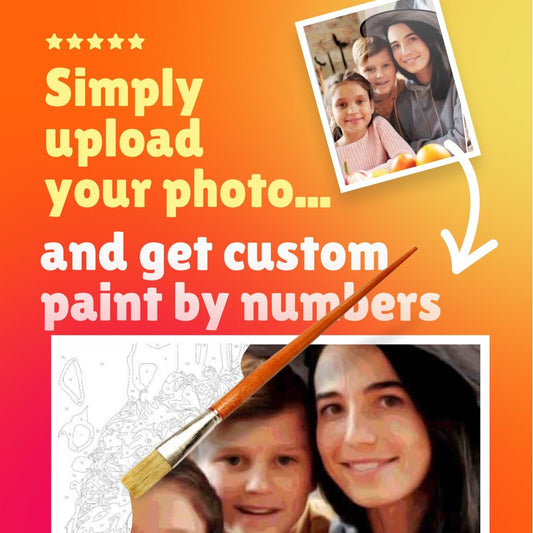
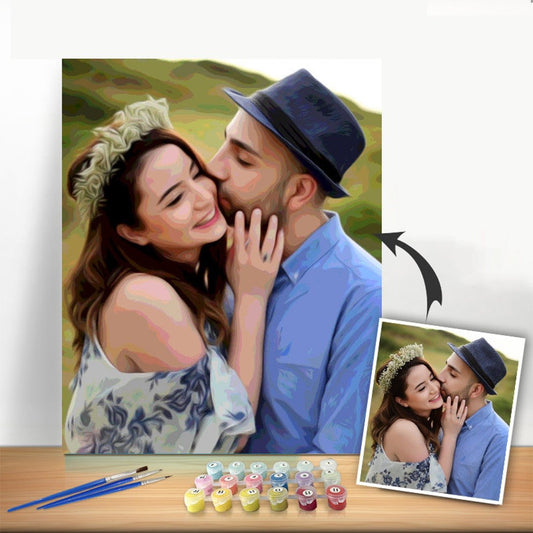
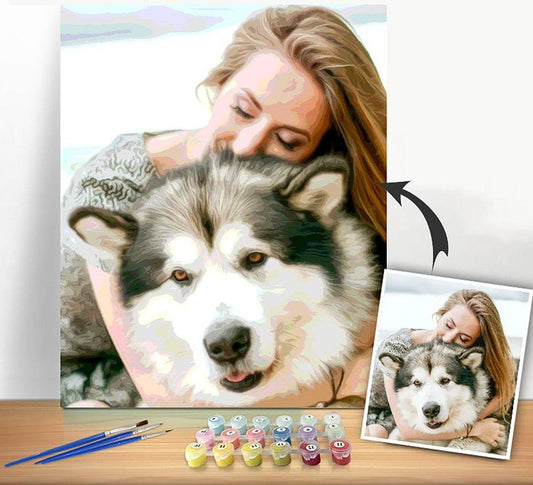
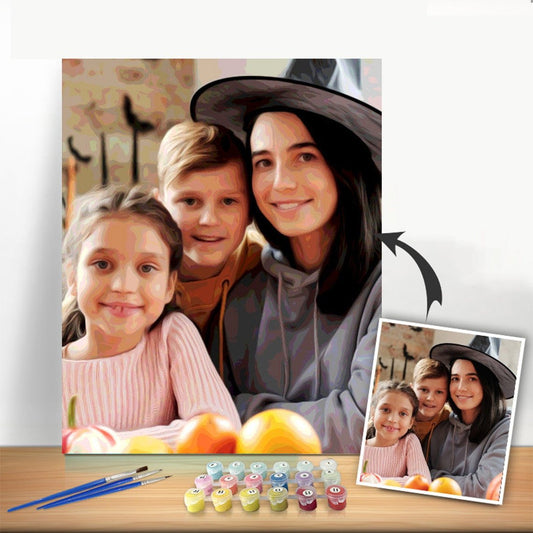
Turn Your Photos Into Analogous Art
Ever thought about turning one of your own photos into a custom paint-by-numbers kit? The key to a breathtaking result is picking the right picture from the get-go. The real secret is finding a photo that already has a gorgeous analogous palette built right in. This makes the transition to a paintable canvas feel natural and look incredibly cohesive.
Take a scroll through your camera roll and look for pictures with a strong, unified color story. You'll find that nature is often the best artist.

What to Look For in Your Photos
Some photos just scream "analogous." They have a certain vibe—calm, visually pleasing, and tied together. If you want to dive deeper into how color choices can make or break your artwork, our guide on color in composition has some fantastic insights.
Here are a few subjects that are almost always a perfect fit:
- Golden Hour Portraits: Those photos taken right after sunrise or just before sunset are drenched in warm yellows, soft oranges, and gentle reds. They’re a natural fit.
- Lush Forest Scenes: Think of a walk in the woods. You'll find countless shades of green, from the deepest emerald shadows to the brightest lime-green leaves.
- Dawn or Dusk Seascapes: The ocean at the start or end of the day often paints a picture with a serene blend of blues, teals, and purples.
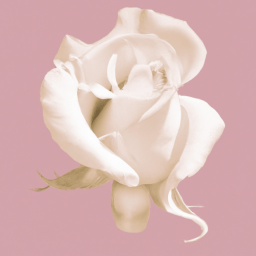
- Flower Close-Ups: A macro shot of a single flower, like a pink rose, is a perfect example. It naturally contains a beautiful range of related reds, pinks, and magentas.
Don't be afraid to give your photo a little nudge in the right direction! A quick edit on your phone can work wonders. Try using a free photo app to gently boost the saturation or tweak the temperature to really make that color harmony pop before you upload it.
This small adjustment puts you in the driver's seat of the creative process. You get to guide the color story and ensure your custom canvas turns into a masterpiece with a stunning, professional look. For those who enjoy playing with modern tools, this Image to Prompt: A Practical Guide to AI Art Generation is a great resource for seeing how technology can transform images.
Common Questions About Analogous Colors
As you start wrapping your head around analogous colors, a few questions tend to bubble up. Getting straight answers can give you the confidence to dive into your next paint-by-numbers project. Let's clear up some of the common ones.
Can I Use More Than Three Analogous Colors?
You absolutely can! While a trio is the classic, reliable choice, expanding to four or even five neighboring colors can tell a much richer visual story. Just picture a sweeping sunset—it’s not just orange, but a whole family of yellow, yellow-orange, orange, and red-orange working together to create that perfect glow.
The trick to making a larger palette work is to maintain balance. You need to pick one color to be the star of the show—your dominant hue—while the others play supporting roles. This simple strategy keeps your painting from feeling chaotic and gives it a wonderful sense of depth.
How Do I Create Contrast with Only Similar Colors?
This is a fantastic question because it gets to the heart of what makes these palettes work. Since the colors are so similar, contrast doesn't come from pairing opposites. Instead, it comes from value—the lightness or darkness of a color.
To make your painting pop, you need to play with light and shadow. Use your lightest shade for highlights, like where the sun might hit an object. Save your darkest shade for shadows to carve out form and add dimension. It's this tug-of-war between light and dark that brings the piece to life.
If you want an extra bit of oomph, a tiny splash of a neutral color like white or a soft grey can work wonders. For a truly bold move, a small, well-placed dot of a complementary color (from the opposite side of the wheel) will create an electrifying focal point.
Are Analogous Colors Good for Beginners?
Yes, they’re one of the most forgiving color schemes out there, making them perfect for beginners. Because the colors are already neighbors on the color wheel, they naturally go together. It’s almost impossible to create a palette that clashes.
This built-in harmony makes them blend beautifully, which is ideal when you're practicing smooth transitions in your paint-by-numbers kit. It's a fantastic way to build your confidence as an artist and guarantee a professional-looking result every single time.
Ready to see your own memories come to life in a harmonious palette? At Custom Paint By Numbers, you can upload your photos and get a personalized kit with perfectly matched colors. Start creating your masterpiece today!