
Are you ready to pick up a brush but feel overwhelmed by a blank canvas? The first step in any creative journey is often the hardest, which is why finding the right subject is crucial. Choosing simple yet rewarding things to paint for beginners can transform intimidation into inspiration, building your confidence one brushstroke at a time. This guide breaks down ten accessible and engaging painting ideas, each designed to teach you fundamental skills without the pressure of perfection.
We’ll explore why each subject is ideal for new artists, offer practical tips for success, and show you how platforms like Custom Paint By Numbers can simplify the process, turning your creative spark into a finished masterpiece. Whether you want to paint a serene landscape, a beloved pet, or a bold abstract pattern, this list has the perfect starting point for you. We provide a clear roadmap for what to paint and, more importantly, how to paint it. Get ready to discover your artistic potential and create something you'll be proud to display.
1. Simple Landscape Scenes
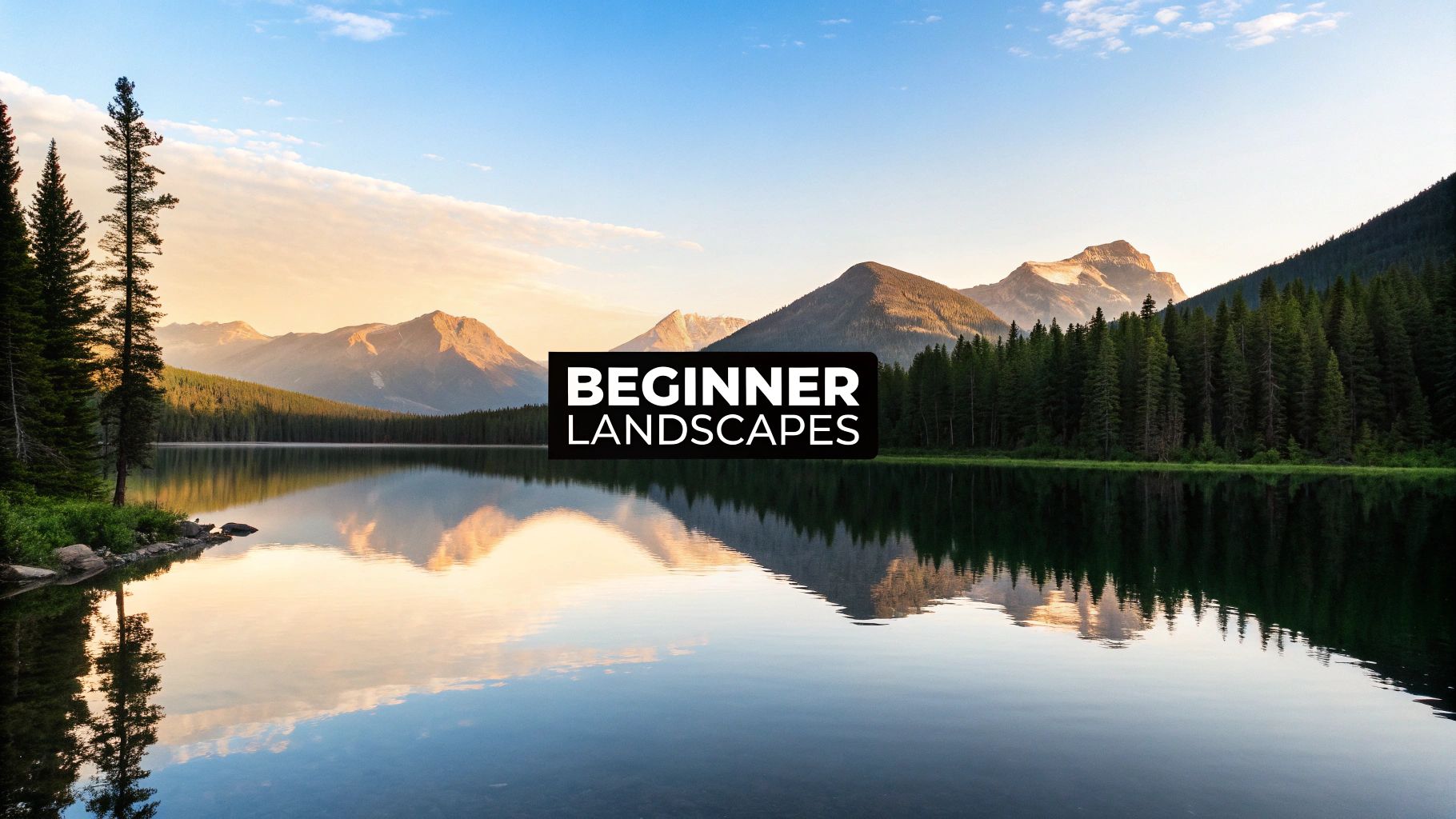
Simple landscape scenes are fantastic things to paint for beginners because they allow you to practice fundamental skills in a forgiving context. Painting subjects like mountains, forests, or sunsets teaches you color blending, layering, and basic perspective without demanding perfect precision. Nature's organic shapes mean small mistakes often blend into the composition, making it a stress-free starting point for any new artist.
Why It Works for Beginners
Landscapes are forgiving. A slightly wobbly tree line or an imperfect cloud adds character rather than looking like an error. This subject is perfect for learning how to create depth; for example, painting distant mountains with lighter, cooler colors and foreground elements with darker, warmer tones. This builds an intuitive understanding of atmospheric perspective.
Actionable Tips for Your First Landscape
- Block in Large Shapes First: Start with the biggest areas of color, like the sky and ground. Use a large, flat brush to cover the canvas quickly. Details like individual trees or rocks should always come last.
- Blend the Sky Wet-on-Wet: To create a smooth sunset or sky gradient, apply your colors next to each other while they are still wet. Gently brush back and forth where the colors meet to create a seamless transition.
- Use a Palette Knife for Texture: Create realistic mountain ridges or tree bark by applying thick paint with a palette knife. This adds a three-dimensional quality to your work.
- Work from a Photo: Use a personal travel photo or a reference image to guide your composition and color choices. This removes the pressure of inventing a scene from scratch.
For a deeper dive into techniques and ideas, explore this guide to landscape painting for beginners on paint-by-number.com.
2. Pet and Animal Portraits
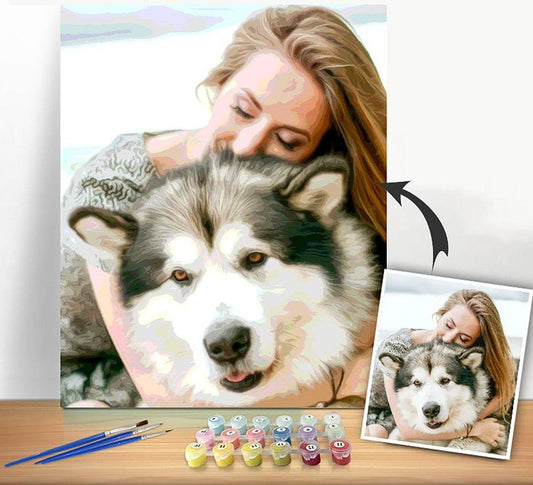
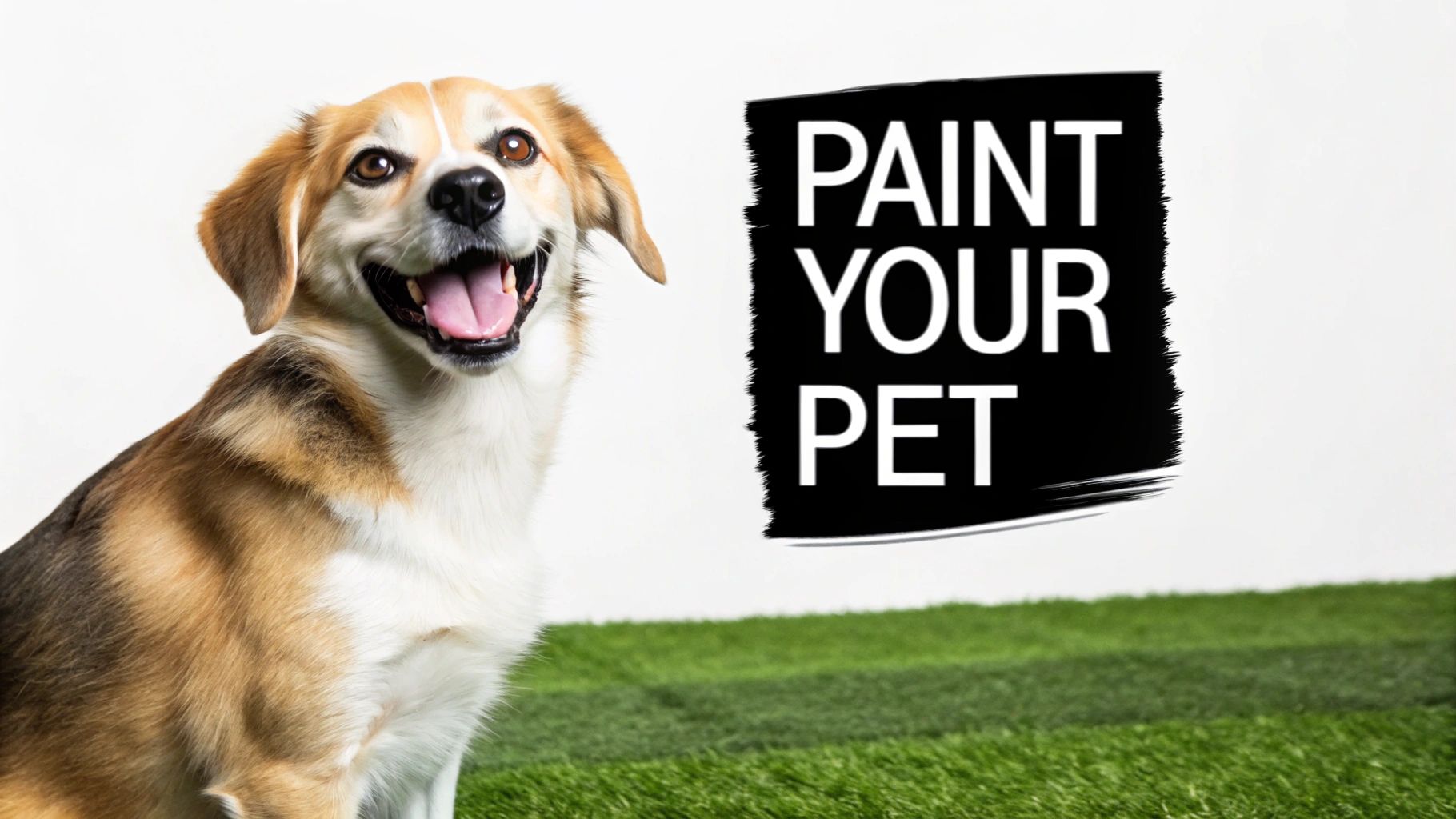
Painting a beloved pet or a favorite animal is an emotionally rewarding project that makes a wonderful thing to paint for beginners. This subject connects you deeply with your work, motivating you to master new skills like capturing expression and texture. It's especially effective when using a custom paint-by-number kit from a photo, which simplifies complex features like eyes and fur into a manageable, step-by-step process.
Why It Works for Beginners
The emotional connection to a pet makes the learning process more engaging and meaningful. Unlike landscapes, where elements can be ambiguous, a pet portrait has a clear focal point: the animal's personality. This focus helps beginners practice precision and detail work in a structured way, particularly when capturing the expressiveness of the eyes and the unique texture of fur.
Actionable Tips for Your First Animal Portrait
- Start with the Eyes: The eyes are the soul of the portrait. Paint them early on so you can use them as a reference point to ensure the proportions and expression of the rest of the face are accurate.
- Use a Dry Brush for Fur: To create realistic fur, dip a stiff-bristled brush in a small amount of paint, wipe most of it off, and use light, feathery strokes. This technique builds up texture without creating thick, flat patches of color.
- Layer Colors for Dimension: Avoid using a single solid color for the coat. Layer lighter and darker shades to create depth and replicate the natural variations in an animal's fur.
- Keep the Background Simple: A simple, blurred background in a complementary color will make your pet the undeniable star of the painting. This also prevents the background from competing for attention.
Beyond painting, there are other creative ways to celebrate your furry friends, such as turning their photos into custom pet photo blankets for a cozy keepsake.
3. Floral and Botanical Studies
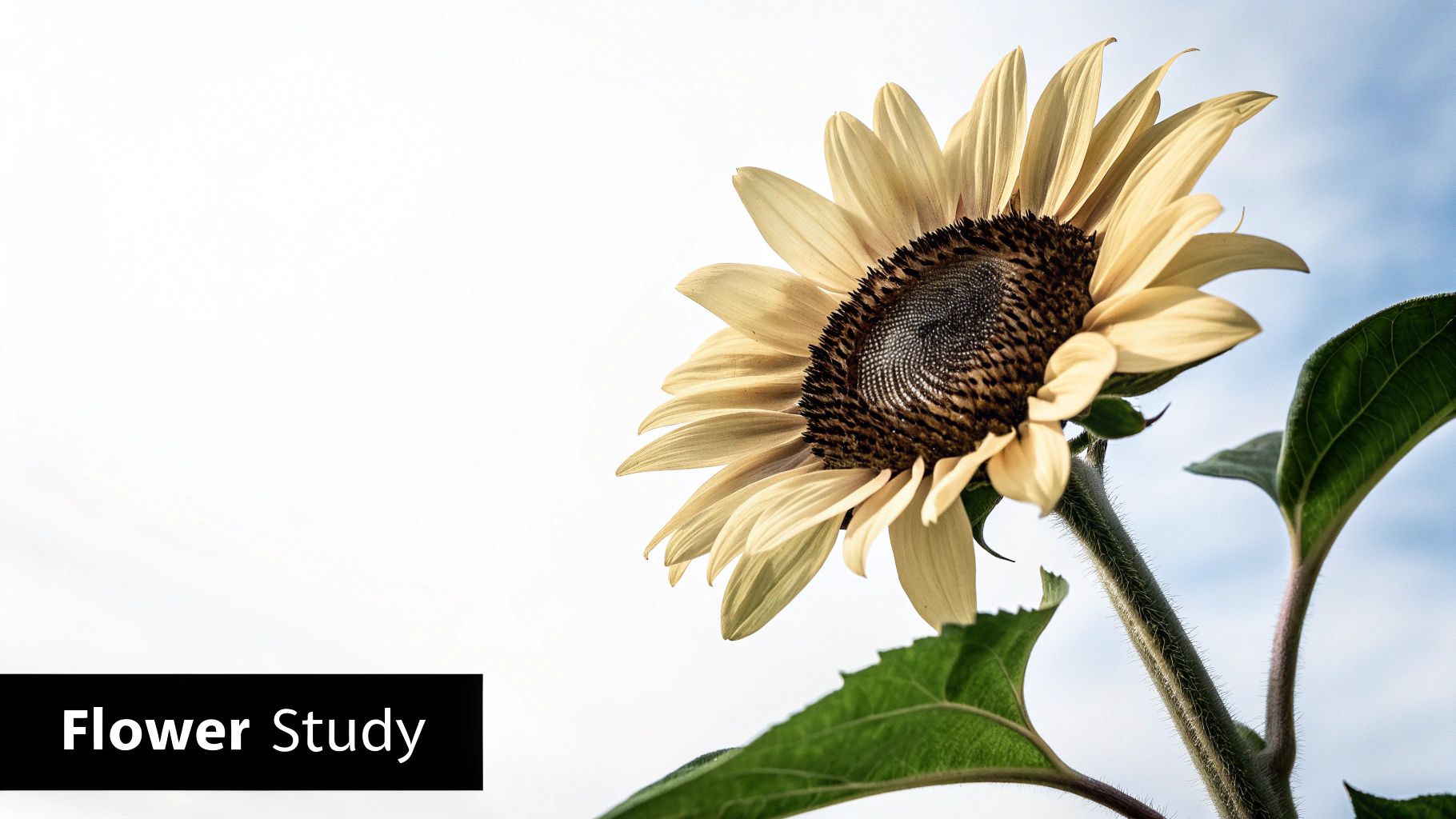
Flowers and botanical subjects are excellent things to paint for beginners as they offer a perfect balance between structure and organic freedom. Painting a single sunflower or a bouquet of roses teaches intricate skills like color theory, layering, and fine brushwork in a manageable and beautiful format. The natural variations in petals and leaves mean that perfect realism isn't required, allowing you to focus on capturing color and form.
Why It Works for Beginners
Florals are incredibly versatile, from a simple, single cherry blossom to a complex wildflower meadow. This versatility allows you to practice blending subtle color variations within a single petal or creating depth in a dense bouquet. Unlike rigid geometric shapes, the organic lines of a flower are forgiving, so a slightly misplaced petal simply adds to the piece’s unique character rather than looking like a mistake.
Actionable Tips for Your First Floral Study
- Start from the Center: For flowers like sunflowers or daisies, paint the detailed center first. This acts as an anchor point, making it easier to build the petals outward symmetrically.
- Create Petal Gradients: Avoid using a single flat color for petals. Mix a base color with a small amount of white for highlights and a darker shade for shadows. Blending these on the petal creates realistic dimension.
- Leave Gaps to Prevent Muddying: When painting adjacent petals or leaves with wet paint, leave a tiny, almost invisible gap between them. This prevents the colors from bleeding into each other and becoming muddy.
- Use a Thinner Paint Consistency: Thinning your acrylic paint with a little water helps create delicate, translucent layers, which is perfect for capturing the fragile look of flower petals.
To inspire your composition, exploring various fresh flower arrangement ideas can provide stunning real-world references that translate beautifully onto canvas. For a better grasp on mixing vibrant, true-to-life colors, review this guide to color theory for beginners on paint-by-number.com.
4. Geometric and Abstract Patterns
Geometric and abstract patterns are fantastic things to paint for beginners because they remove the pressure of achieving realism. Focusing on bold shapes, repeating patterns, and color blocking allows you to master fundamental painting skills like brush control and color theory in a fun, expressive way. These projects result in modern, eye-catching art perfect for home décor.
Why It Works for Beginners
Abstract art is all about expression, not perfection. There are no "mistakes," only unique creative choices. This freedom makes it a stress-free entry point for anyone nervous about their drawing skills. You can experiment with everything from hypnotic mandala patterns and optical illusions to simple mosaic-style color blocking, building confidence with every shape you fill in.
Actionable Tips for Your First Abstract Painting
- Use Painter's Tape for Crisp Lines: For sharp, clean edges in geometric designs, apply painter's tape to your canvas. Paint over the edge of the tape and peel it off while the paint is still slightly wet for a perfect line.
- Fill Large Sections First: Start by painting the largest color blocks to establish your composition. Save smaller details and intricate patterns for last to ensure they stand out.
- Experiment with Unexpected Colors: Abstract art is the perfect place to play with bold or unusual color combinations. Don't be afraid to try palettes you wouldn't normally use.
- Focus on One Section at a Time: To avoid feeling overwhelmed, complete one shape or section of your pattern fully before moving to the next. This creates a sense of accomplishment and keeps the process manageable.
5. Family and Group Portraits from Photos
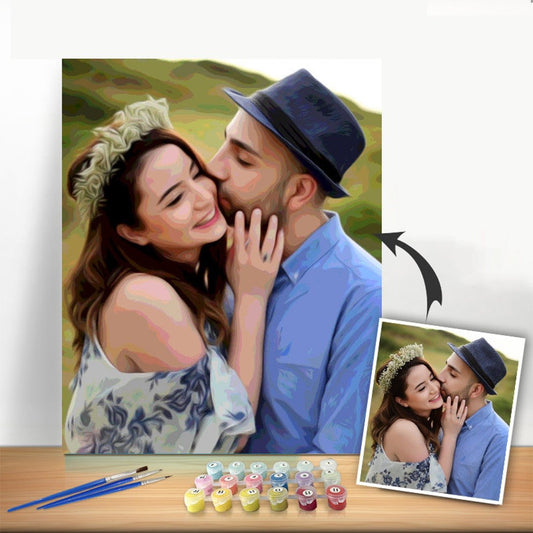
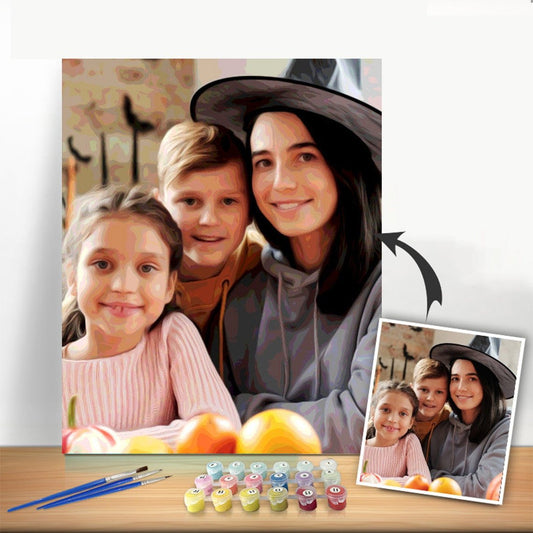
Painting portraits can feel intimidating, but turning a cherished family photo into a custom paint-by-number kit makes it one of the most rewarding things to paint for beginners. This approach breaks down complex subjects like faces and multiple figures into simple, numbered color sections. It transforms a personal memory, like a wedding photo or holiday gathering, into a meaningful keepsake without requiring advanced portraiture skills.
Why It Works for Beginners
The pre-designed canvas removes the pressure of achieving a perfect likeness from scratch. The numbered guide ensures accurate color placement, simplifying facial features and group compositions into manageable steps. This allows you to focus purely on the meditative process of painting while creating a deeply personal piece of art, such as a heartfelt anniversary or birthday gift.
Actionable Tips for Your First Portrait
- Choose a High-Quality Photo: Select a clear, well-lit, high-resolution photograph. Good lighting reveals details and creates a better final design, making it easier to capture the essence of your loved ones.
- Paint the Faces First: Start with the facial details, especially the eyes. Capturing the eyes early helps establish the subjects' likeness and gives you a motivational boost to continue with the rest of the portrait.
- Work on Similar Colors Together: If multiple people are wearing similar-colored clothing, paint all sections with that number at the same time. This ensures color consistency and creates a more efficient workflow.
- Simplify the Background: When customizing your photo, consider blurring or simplifying the background. This makes the subjects stand out and reduces the complexity of the painting, keeping the focus on the people.
To get started, see this detailed guide on how to turn a photo into a painting on paint-by-number.com.
6. Still Life Objects (Fruits, Vessels, Everyday Items)
Still life compositions are classic things to paint for beginners because they teach the fundamentals of form, light, and shadow in a controlled environment. Arranging simple objects like fruit, bottles, or cups allows you to study how light interacts with different surfaces and shapes. This practice is crucial for developing an artist's eye and understanding how to create three-dimensional illusions on a flat canvas.
Why It Works for Beginners
Still life subjects are patient models; they don’t move, allowing you to take your time studying shapes, highlights, and shadows. This subject is perfect for learning composition and understanding spatial relationships between objects. Unlike a complex landscape, you have complete control over the arrangement and lighting, making it an ideal exercise for building foundational skills.
Actionable Tips for Your First Still Life
- Establish a Strong Light Source: Before you start, place a single, strong light source (like a desk lamp) to one side of your objects. This creates clear, defined highlights and shadows, making them easier to observe and paint.
- Paint from Light to Dark: Begin by blocking in the lightest areas and mid-tones on your objects. Build up to the darker shadow areas last. This layering technique helps create a convincing sense of volume.
- Add Cast Shadows: Don't forget the shadows that the objects cast onto the surface they are sitting on. These ground the objects in the scene and add to the realism.
- Use Complementary Colors for Shadows: To make your shadows more dynamic, mix a tiny bit of the object's complementary color into your shadow tone. For a red apple, adding a touch of green to the shadow color creates a richer, more natural look.
7. Underwater and Ocean Scenes
Underwater and ocean scenes are some of the most captivating things to paint for beginners, blending imaginative color palettes with forgiving, fluid shapes. Painting subjects like coral reefs or graceful sea turtles allows you to explore techniques like wet-on-wet blending for water effects and layering for depth. The dreamlike quality of underwater light makes it a less intimidating subject, as soft edges and abstract color washes are part of the aesthetic.
Why It Works for Beginners
Ocean scenes thrive on imperfection. The natural diffusion of light and color underwater means you don't need sharp, precise lines. This subject is fantastic for learning how to create a sense of depth and transparency. By painting distant elements with lighter, muted blues and foreground objects like coral or fish with vibrant, warm colors, you can easily achieve a compelling three-dimensional look.
Actionable Tips for Your First Underwater Scene
- Create a Gradient Background: Start by painting the water, blending from a lighter blue-green near the surface to a deep indigo at the bottom. Do this while the paint is wet to ensure a smooth transition.
- Layer for Transparency: To make jellyfish or water feel translucent, apply a very thin layer of light-colored paint (like white or pale blue) over a darker background. Let the base color show through slightly.
- Use a Small Brush for Details: Add realism with fine details last. Use a small, pointed brush to paint tiny air bubbles rising to the surface or bright highlights on fish scales.
- Reference Marine Photography: Look at photos of coral reefs or sea turtles to guide your color choices and understand how light behaves underwater. This helps you paint realistically without guessing.
8. Cityscapes and Urban Skylines
Cityscapes and urban skylines are excellent things to paint for beginners who want to tackle perspective and structure. Painting subjects like the New York City skyline or a Parisian street scene teaches you about straight lines, proportion, and creating depth in a man-made environment. The geometric shapes of buildings provide a clear framework, making it a structured yet creative challenge for new artists.
Why It Works for Beginners
Urban scenes are a great way to practice linear perspective without getting overwhelmed. The rigid lines of architecture are more straightforward to sketch than organic shapes, providing a solid foundation for your painting. This subject is also perfect for experimenting with light, from the soft glow of a sunset on glass windows to the vibrant chaos of neon lights in a Tokyo night scene.
Actionable Tips for Your First Cityscape
- Start with a Simple Grid: Lightly sketch a grid on your canvas to help keep your buildings straight and proportional. This is a classic technique for maintaining accurate perspective.
- Paint from Back to Front: Begin with the sky, then paint the most distant buildings using lighter, less saturated colors. Gradually work your way forward, using darker, more detailed strokes for the buildings in the foreground.
- Simplify the Details: You don't need to paint every single window. Suggest them with small, uniform dabs of color. Focus on the overall shape and shadow of the buildings to create a convincing scene.
- Use a Ruler or Straight Edge: Don't be afraid to use tools to get crisp, clean lines for your buildings. A palette knife edge can also be used to scrape straight lines into wet paint for a unique textural effect.
9. Whimsical and Cartoon Characters
Painting whimsical and cartoon characters is a fantastic way for beginners to explore bold colors and expressive shapes without the pressure of realism. These subjects, from cute pandas to mythical dragons, are defined by their charm and simplicity, making them some of the most enjoyable things to paint for beginners. The forgiving nature of cartoon proportions means you can focus on having fun and developing your brush control.
Why It Works for Beginners
Cartoon art is built on clear outlines and flat areas of color, which simplifies the painting process. You can practice staying within the lines and creating smooth, even coats of paint. This style encourages creativity and personal expression, as you can easily alter colors or add unique details to make a character your own without ruining the piece.
Actionable Tips for Your First Cartoon Character
- Outline First: Lightly sketch your character on the canvas with a pencil or a thin, light-colored paint. This provides a clear guide and prevents colors from bleeding into one another.
- Focus on the Eyes: A character's personality is often in its eyes. Use a small, detailed brush to add highlights (small white dots) to make them look alive and expressive.
- Use Bold, Contrasting Colors: Don't be afraid of vibrant hues. Strong contrasts between the character and the background will make your painting pop. A simple, solid-colored background often works best.
- Exaggerate for Effect: Make features like eyes, ears, or tails slightly larger than life. This exaggeration is a key element of cartoon style and adds instant charm and appeal to your creation.
10. Inspirational Quotes and Typography Art
Painting inspirational quotes or creating typography art is a fantastic way for beginners to practice precision and brush control. This subject merges the worlds of lettering and painting, allowing you to create personally meaningful artwork that looks clean and modern. It teaches you how to handle fine-tipped brushes and maintain consistent lines, skills that are essential for adding detail to any future painting.
Why It Works for Beginners
Typography art is all about control, not complex blending. The clear lines and solid colors remove the guesswork of shading and perspective, allowing you to focus purely on your brush strokes. Creating a piece with a favorite quote, like a motivational mantra or a wedding vow, adds a layer of personal significance that makes the process more rewarding and the final product a cherished decoration.
Actionable Tips for Your First Typography Piece
- Use Painter's Tape for Guidelines: To ensure your letters are straight and evenly spaced, create faint pencil lines or use low-tack painter's tape to mark the top and bottom of your text.
- Practice Letters on Paper First: Before committing to canvas, practice your letterforms on a piece of paper. This helps you get a feel for the brush and the amount of pressure needed for consistent strokes.
- Paint the Background First: Complete your background design, whether it's a simple color wash or decorative flourishes, before adding the text on top. This creates a clean, layered look.
- Choose Contrasting Colors: Make sure your text stands out and is easy to read by selecting a letter color that contrasts sharply with the background. For example, use dark letters on a light background or vice versa.
Top 10 Beginner Painting Subjects Comparison
| Project Type | Implementation Complexity 🔄 | Resource Requirements ⚡ | Expected Outcomes ⭐📊 | Ideal Use Cases 💡 | Key Advantages ⭐ |
|---|---|---|---|---|---|
| Simple Landscape Scenes | Low–Medium 🔄 | Basic paints, variety of brushes; 4–6 hrs ⚡ | Natural-looking results; steady skill growth ⭐⭐📊 | Beginners, travel-photo keepsakes, practice blending 💡 | Teaches blending & perspective; forgiving of mistakes ⭐ |
| Pet and Animal Portraits | Medium 🔄 | Photo reference, fine brushes; 3–5 hrs ⚡ | Highly personal, emotive results; strong sentimental impact ⭐⭐⭐📊 | Custom gifts, memorials, pet owners 💡 | Emotional connection boosts completion; great gift appeal ⭐ |
| Floral and Botanical Studies | Low–Medium 🔄 | Fine brushes, varied color palette; 3–4 hrs ⚡ | Vibrant, gallery-like pieces; color-theory practice ⭐⭐📊 | Home décor, gifts, color-mixing practice 💡 | Develops color mixing and fine-detail skills ⭐ |
| Geometric and Abstract Patterns | Low 🔄 | Bold paints, painter’s tape; 2–4 hrs ⚡ | Striking modern pieces; fast visible progress ⭐⭐📊 | Mindfulness, contemporary décor, low-pressure practice 💡 | Fast, forgiving; hides imperfections, boosts confidence ⭐ |
| Family and Group Portraits | High 🔄 | High-res photos, fine brushes; 6–10 hrs ⚡ | Centerpiece-quality, highly sentimental; time-intensive ⭐⭐⭐📊 | Anniversaries, milestone gifts, keepsakes 💡 | Exceptional sentimental value; custom and meaningful ⭐ |
| Still Life Objects | Medium 🔄 | Simple props, basic brushes; 3–5 hrs ⚡ | Strong foundational results; improves value/form skills ⭐⭐📊 | Art classes, foundational study, home décor 💡 | Teaches light, shadow, and form—core artistic principles ⭐ |
| Underwater and Ocean Scenes | Medium–High 🔄 | Wide color range, glazing tools; 4–6 hrs ⚡ | Vibrant, immersive scenes; blending/transparency practice ⭐⭐📊 | Ocean lovers, fantasy projects, family/kids activities 💡 | Builds translucency and depth techniques; visually striking ⭐ |
| Cityscapes and Urban Skylines | Medium–High 🔄 | Fine brushes, ruler/tape; 4–6 hrs ⚡ | Sophisticated, travel-keepake results; detail-oriented ⭐⭐📊 | Travel souvenirs, urban décor, perspective practice 💡 | Teaches perspective/proportion; memorable personal art ⭐ |
| Whimsical and Cartoon Characters | Low 🔄 | Bright paints, medium brushes; 2–4 hrs ⚡ | Cheerful, quick-completion pieces; wide appeal ⭐⭐📊 | Children’s rooms, family projects, playful gifts 💡 | Fast, fun, very forgiving; great for all ages ⭐ |
| Inspirational Quotes & Typography Art | Medium 🔄 | Small brushes, tape/guides; 3–5 hrs ⚡ | Readable, meaningful décor; high personal value ⭐⭐📊 | Motivation pieces, personalized gifts, room décor 💡 | Combines lettering control with decorative art; highly personal ⭐ |
Your Next Masterpiece Is Just a Photo Away
Embarking on your painting journey is an act of courage and creativity. We've explored a wide array of things to paint for beginners, from the tranquil simplicity of a landscape to the bold energy of an abstract pattern. Each subject offers a unique set of lessons, whether it's understanding light and shadow in a still life, capturing personality in a pet portrait, or mastering clean lines in a cityscape. The goal isn't immediate perfection; it's the joy of creation and the steady growth of your skills.
The power of a great subject is that it provides a clear roadmap. Instead of staring at a blank canvas wondering where to begin, you have a destination. The floral studies teach you about color blending and delicate brushwork, while geometric designs build your confidence in composition and precision. Even whimsical cartoons and inspirational quotes serve a vital purpose, allowing you to play with vibrant palettes and expressive forms without the pressure of realism.
From Inspiration to Actionable Art
The key takeaway from this list is that inspiration is everywhere, and you have the power to translate it onto canvas. Your first step is simply to choose a subject that genuinely excites you. Passion is the fuel that will carry you through the learning process, turning potential frustration into a rewarding challenge. Remember the core principles we touched on for each idea:
- Start with Simple Shapes: Break down complex objects like animals or buildings into basic geometric forms first.
- Embrace Color Theory: Don't be afraid to experiment. A limited palette can often create a more cohesive and powerful painting than using every color you own.
- Focus on One Skill at a Time: If you're painting an ocean scene, focus on learning to blend blues and whites. For a family portrait, concentrate on capturing the general shapes and emotional essence rather than perfect likeness.
Mastering these foundational approaches is what separates a frustrating attempt from a fulfilling artistic session. Every brushstroke is practice, and every finished piece, no matter how simple, is a victory. The true value lies not just in the final product but in the mindful, calming process of bringing an image to life. You are not just painting a picture; you are building a new skill, creating a personal artifact, and carving out a space for creative expression in your life.
The most profound connection to your art often comes from painting something deeply personal. Think about your own photo library: a sunset from a memorable vacation, your beloved pet's quirky expression, or a candid family photo brimming with joy. These are not just images; they are stories waiting to be told through your unique artistic lens. Turning these personal moments into art solidifies them, creating a tangible connection to your most cherished memories that a digital photo simply cannot replicate. This is where your journey as an artist truly becomes your own.
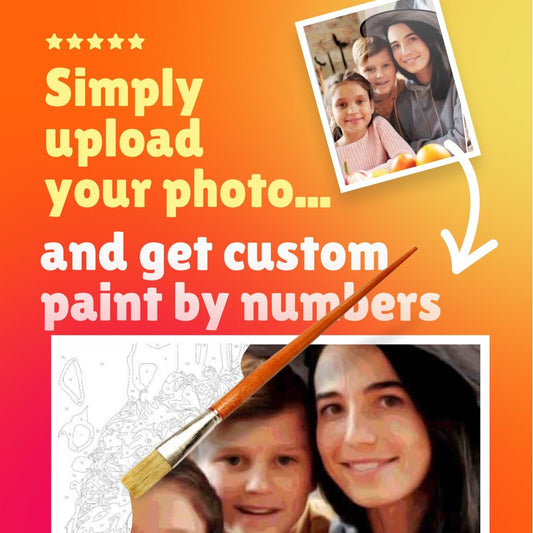
Ready to turn your favorite memories into a beautiful, guided painting experience? With a custom kit from Custom Paint By Numbers, you can transform any personal photograph into an easy-to-follow project. Visit Custom Paint By Numbers to upload your photo and receive everything you need to create a masterpiece that is uniquely yours.