
Engaging in a creative outlet is a fantastic and proven way to manage stress. It does more than just distract you; it actively lowers stress hormones and helps quiet the brain's anxiety centers. The real magic is how it pulls your focus away from your worries and into a mindful, present state, making it a powerful tool for finding immediate relief.
How Art Therapy Calms Your Stressed Brain
Have you ever been doodling and suddenly realized the world around you has faded away? That feeling is your brain literally shifting gears. Art therapy isn’t just a nice hobby; it's a biological process that actually interrupts your body’s stress response cycle.
When you’re stressed out, your amygdala—the brain's little alarm system—goes into overdrive, kicking off that whole fight-or-flight hormone cascade. But when you start creating, you engage your prefrontal cortex, the part of your brain responsible for focus and managing emotions. This process effectively turns down the volume on the amygdala's alarms, giving you a tangible sense of calm and control.
Achieving a State of Flow
Psychologists call this "flow," that incredible state where you're so absorbed in what you're doing that you lose track of time and stop worrying about what others think. Flow is the polar opposite of rumination, where anxious thoughts just spin on an endless loop.
By focusing on the simple sensory details of making art—the feel of the paint, the sound of a pencil scratching on paper—you anchor yourself firmly in the present moment. This mindful focus gives a much-needed break to a brain worn out by chronic stress.
The real power of art therapy is its ability to give you a non-verbal outlet. When you can't find the words for overwhelming feelings, creating an image can bring clarity and release without the pressure of having to say the "right" thing.
The Science Behind the Calm
This isn't just theory; there's solid science to back it up. One landmark study discovered that just 45 minutes of creative activity lowered cortisol (the primary stress hormone) in 75% of participants, and it didn't matter if they had any artistic skill or not. This is direct proof that the simple act of creating has a measurable, physical effect on your body.
It’s one of the reasons structured activities like paint-by-number can be so incredibly effective. You can take a deeper dive into the art therapy benefits for mental health to see how different approaches work.
Ultimately, art therapy taps into the profound connection between creativity and mental health, offering a unique path to stress relief. It’s not just about a temporary mood boost; it's about building new neural pathways that make you more resilient to stress over the long haul.
To help you get started, it's useful to match the right kind of activity to how you're feeling right now.
Matching Art Techniques to Your Stress Symptoms
This table gives you a quick-and-dirty guide to help you choose an activity that might be most helpful for the specific type of stress you're experiencing. Think of it as a starting point for your creative journey.
| Art Therapy Technique | Primary Benefit for Stress | Best For When You Feel |
|---|---|---|
| Painting with watercolors | Promotes letting go of control | Overwhelmed or perfectionistic |
| Sculpting with clay | Provides tactile, grounding sensory input | Anxious, restless, or disconnected |
| Mindful scribbling/doodling | Lowers inhibitions and quiets the inner critic | Mentally stuck or blocked |
| Creating a collage | Helps organize chaotic thoughts and feelings | Confused or emotionally scattered |
| Using a paint-by-number kit | Offers structure and predictable focus | Agitated or unable to concentrate |
Choosing the right technique can make a big difference, especially when you’re just starting out. Don't be afraid to experiment and see what clicks for you
Setting Up Your First At-Home Art Session
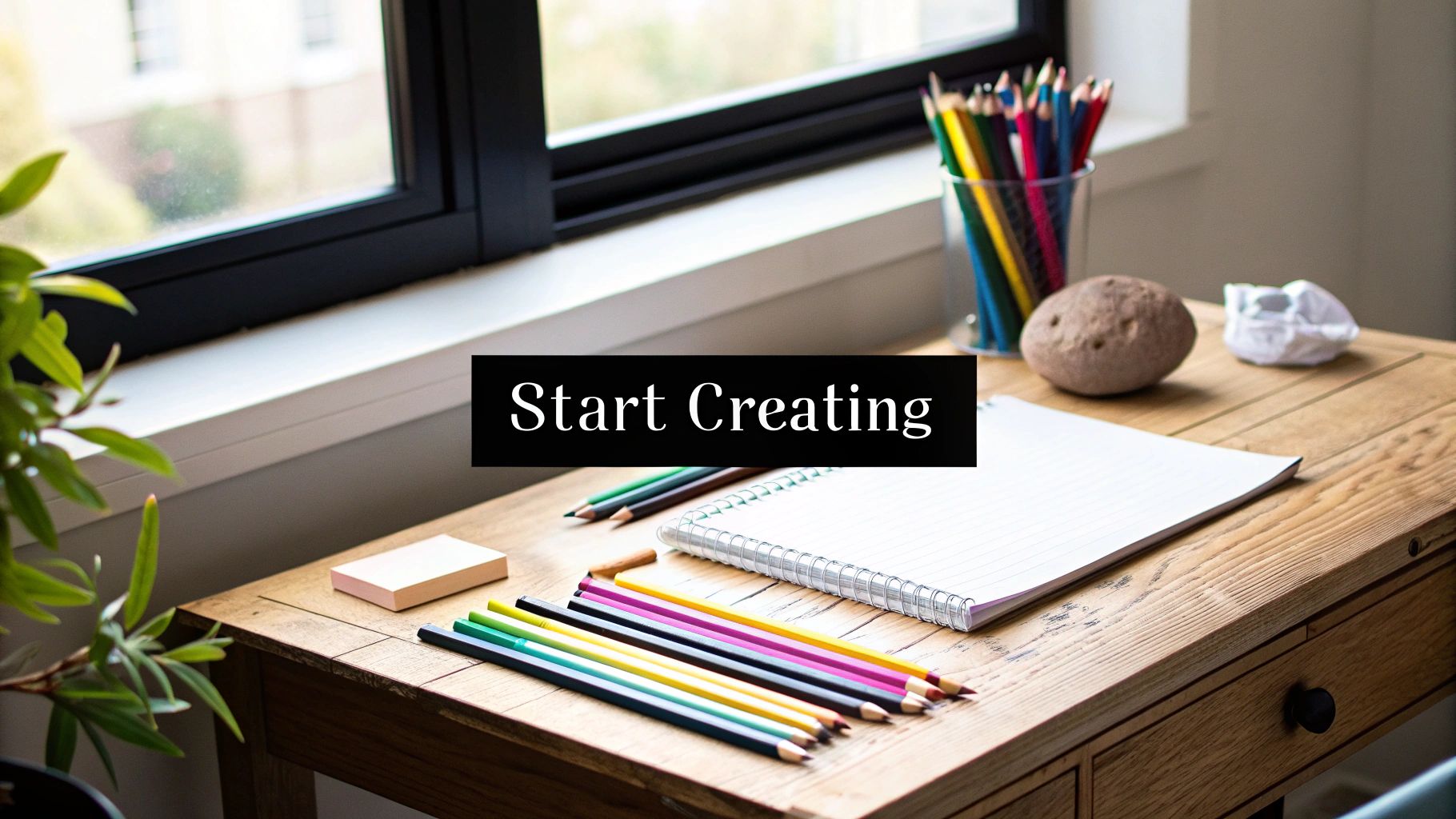
You don't need a dedicated studio or fancy equipment to get started with art therapy for stress. The most important thing is simply creating a space—both physically and mentally—that tells your brain it's time to tune out the world and focus inward. It’s all about carving out a small, intentional pocket of calm just for you.
Even a corner of the kitchen table will do. The real goal is to minimize distractions for a little while. Turn off the TV, silence your phone and move it out of arm's reach, and let your family or roommates know you need just 15-20 minutes of quiet time. The simple ritual of clearing a space and laying out your supplies can be surprisingly powerful, helping your mind shift gears from stressed-out to creatively ready.
Assembling Your Basic Art Therapy Starter Kit
Good news: you don't have to spend a fortune to get started. The aim is to have a few simple, versatile tools that you enjoy using. Think about texture, color, and ease.
Here are a few affordable essentials I always recommend gathering:
- Colored Pencils or Crayons: They’re familiar, low-mess, and give you great control for everything from tiny details to big, expressive sweeps of color.
- Plain Paper: A basic sketchbook is great, but honestly, a stack of printer paper works just fine. Just try to avoid lined paper, as the lines can feel a bit confining when you’re trying to let go.
- Air-Dry Clay: The feeling of clay in your hands is incredibly grounding. Squeezing, rolling, and shaping it is a fantastic way to release physical tension you might be holding in your hands, shoulders, and jaw.
These simple supplies are more than enough to start exploring how different materials feel and what they help you express.
Remember, the value is in the process, not the final product. Give yourself permission to make something "ugly" or messy. The whole point is to let feelings out, not to create a masterpiece for a gallery wall. That mental shift is key to managing stress.
A Foundational Exercise: Your First "Stress Monster"
Ready to dive in? Let's try a simple but surprisingly effective exercise that helps you channel your stress into something tangible. This one requires zero artistic skill and is a brilliant way to externalize what you're feeling inside.
Take a moment and imagine what your stress looks like. If it were a creature, what shape would it have? What colors come to mind? Does it have sharp teeth, sad eyes, or tangled limbs? Don’t judge what comes up; just let an image form.
Now, grab your paper and colored pencils. Close your eyes for a second, take a few deep breaths, and picture that stress monster.
When you're ready, just start drawing. Let your hand move freely across the page. Use colors that feel like your stress—maybe a fiery red for frustration, a murky blue for sadness, or jagged black lines for anxiety.
Give it a shape, any shape at all. Don't worry about making it look perfect or even recognizable. This is your stress monster. It can be a chaotic scribble, a spiky blob, or a weird abstract form. It’s all valid.
Once you feel like it's done, take a step back and just look at your creation. What do you notice? Does giving your stress a physical form on paper make it feel a little less intimidating? Sometimes, just acknowledging it like this is enough to start diminishing its power over you.
Guided Exercises for Specific Types of Stress
Different kinds of stress call for different tools. A frantic, overwhelmed mind needs grounding techniques, while pent-up frustration often demands a physical release. This is where choosing the right art therapy exercise can make a world of difference.
Think of it as building a personal toolkit for your emotional well-being. By matching the creative activity to the specific feeling you're grappling with, the whole process becomes more intuitive and effective. It’s like emotional first aid—you’re picking the right remedy for the exact issue at hand.
For When You Feel Overwhelmed
When your to-do list feels a mile long and your thoughts are racing, the goal is to create a sense of containment. You need a way to visually gather all those swirling worries and put them somewhere safe, just so you can catch your breath.
The "Container Exercise" is perfect for this.
Objective: To externalize and contain overwhelming thoughts, creating mental space and a feeling of control.
- Grab a blank sheet of paper. Take a moment to just sit and let all the things stressing you out come to the surface. No judgment.
- Draw a container. This can be anything you imagine—a treasure chest, a simple box, a mason jar, or even a backpack. Make sure to give it a strong lock or a sturdy lid.
- Fill it up. One by one, write or draw symbols for each of your worries inside the container. As you place each one inside, really visualize yourself setting that burden down for a while.
- Lock it away. Once everything is inside, draw the lid shut or the lock clicking into place. You can even color the outside to make it feel more solid and secure.
This simple act of creating a visual boundary for your stressors can be incredibly powerful. It gives your mind permission to rest.
For When You Feel Frustrated or Angry
Frustration and anger are active, high-energy emotions. They practically beg for a physical outlet, and trying to bottle them up usually just makes things worse. An expressive art exercise gives you a safe and constructive way to let that tension go.
Objective: To channel and release intense emotions like anger or frustration through non-verbal, physical action.
- Expressive Scribbling: Grab a crayon or oil pastel in a color that just feels angry to you. On a big piece of paper, press down hard and scribble away. Make fast, jagged lines or tight, circular motions. The point isn't to draw anything recognizable; it's to let the energy flow from your arm right onto the page.
- Paper Tearing: Find some old magazines or scrap paper. As you think about what’s making you so frustrated, tear the paper into strips or tiny pieces. Pay attention to the sound and the physical sensation of the paper ripping. You can let the pieces fall where they may or, if you feel like it, arrange them into a collage afterward—transforming that chaotic energy into something new.
These exercises aren't about making pretty art. They're about creating a physical channel for difficult feelings, helping you process them without causing harm to yourself or others.
And this isn't just anecdotal—the science backs it up. A major review of 37 high-quality studies found that 81.1% of creative arts therapies led to a significant reduction in stress. About 30% of those studies looked specifically at art therapy, consistently highlighting its power for stress management. You can explore the findings on creative arts therapies and stress yourself to see the full scope of the research.
If you find that anxious feelings are also part of your stress, our guide to art therapy exercises for anxiety offers more techniques that work beautifully alongside these. The real key is to experiment and find what truly resonates with you and your unique emotional landscape.
Using Art Kits for Mindful Focus
Let's be honest: staring at a blank canvas can be intimidating, especially when your mind is already racing with stress. This is exactly why structured art kits, like paint-by-numbers or diamond painting, are such incredible tools for art therapy for stress management. They take the biggest barrier—the pressure to decide what to create—completely out of the equation.
These kits give you a clear, simple path to follow. All you have to do is focus on the immediate, repetitive action of matching a color to a number or placing a tiny gem. This kind of structured process is fantastic for quieting a busy mind and easing into a meditative state. You’re not bogged down by composition or color theory; you’re just present with the satisfying task at hand.
Choosing Your Kit for Maximum Calm
The whole point is to find a kit that lowers your stress, not one that adds to it. A design with thousands of impossibly tiny sections might look amazing when it's done, but it could easily become a source of frustration.
When you're picking a kit, keep these simple tips in mind:
- Mind the Complexity: It's best to start with designs that feature larger, more forgiving sections. This helps you build confidence and really enjoy the process without feeling overwhelmed right from the start.
- Color Palette is Key: Look for kits with soothing color palettes. Think cool blues, gentle greens, or warm, earthy tones. Color psychology is a real thing, and the shades you're working with can absolutely influence your mood.
- Subject Matter Matters: Pick an image that brings you a sense of peace. A serene landscape, a calming abstract pattern, or even a favorite animal can make the experience feel more personal and deeply relaxing.
The goal isn't just to finish a project; it's to create an experience of mindful focus. The structure of the kit is simply the vehicle that helps you get there.
You can find a huge variety of options out there. This guide to different paint-by-number kits is a great resource for narrowing down the perfect choice for your first session.
Choosing the Right Art Kit for Your Needs
Not sure which kit is right for your current state of mind? This table breaks down some common options to help you decide.
| Kit Type | Ideal for Stress Type | Key Therapeutic Benefit | Things to Consider |
|---|---|---|---|
| Simple Paint-by-Number | Feeling overwhelmed or anxious | Provides structure and a clear, single-task focus. | Choose designs with large, easy-to-fill areas. |
| Diamond Painting | Restless energy or agitation | The repetitive, tactile sensation is incredibly calming. | The small gems require fine motor skills; may not be for everyone. |
| Custom Paint-by-Number | Feeling disconnected or uninspired | Deepens personal connection by using your own photo. | The emotional attachment can be intense; be ready for it. |
| Abstract or Mandala Kit | Mental clutter or scattered thoughts | The patterns encourage rhythm and flow, quieting the mind. | Less about a final "picture" and more about the process. |
Ultimately, the best kit is one that calls to you. Trust your intuition and pick a project that you feel genuinely excited to start.
This decision tree can also help you visualize which art approach might be best depending on how you're feeling right now.
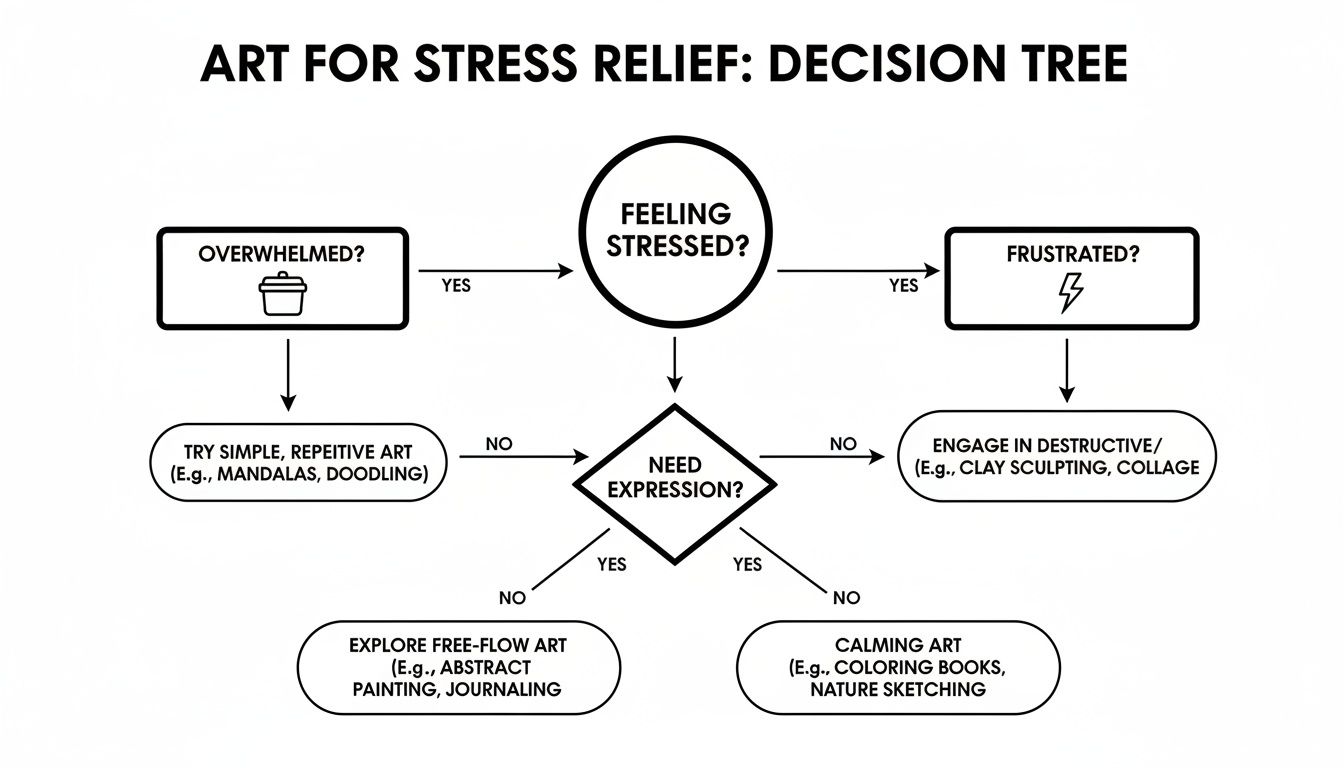
The key takeaway here is that structured kits are perfect when you feel agitated and need to find focus, while more free-form, expressive art is better for releasing pent-up emotions like frustration.
Turning Crafting into a Therapeutic Practice
To really elevate your art kit from a simple hobby to a true stress management tool, you need to approach it with intention. It's a small shift, but it makes a world of difference.
Before you even dip your brush in the paint, take a few deep breaths. Set a simple, gentle goal for your session.
It could be something like:
- "For the next 20 minutes, I will focus only on the feel of the brush on the canvas."
- "I will let go of my worries from the day with each section I complete."
- "My only goal is to enjoy this quiet time for myself."
This simple act transforms the activity entirely. It frames your time as a deliberate act of self-care, allowing the repetitive motions to guide you into that state of mindful calm. The finished painting? That’s just a beautiful bonus.
Weaving Art Therapy into Your Daily Life
The real magic of art therapy for stress happens when it becomes a habit. A single session is great for a quick reset, but weaving that creative practice into your daily life is what builds lasting emotional resilience. Think of it like a daily walk or a few minutes of meditation—it's a reliable tool you can turn to anytime.
This doesn't mean you need to paint a masterpiece every day. Far from it. The trick is to create small, simple rituals that fit into your actual life, no matter how busy things get.
Building a Creative Routine That Sticks
Making art a part of your day can be surprisingly easy. The key is to make it so simple to start that there's no excuse not to.
Here are a few ideas I've seen work for people:
- The 5-Minute Sketch Journal: Keep a small notebook and a pencil on your nightstand or by the coffee maker. Every day, just spend five minutes doodling whatever comes to mind. It's a low-pressure way to check in with yourself.
- Schedule a Weekly Art Date: Block off 30-60 minutes in your calendar each week that is non-negotiable "you" time. Use this appointment to dig into a bigger project, like a paint-by-number kit, without feeling rushed.
- Color While You Chill: Instead of doom-scrolling on your phone while watching TV, keep a coloring book and some colored pencils nearby. It's an easy way to multitask mindfully.
The evidence for making this a habit is really strong. One major review found that 78% of people dealing with mental health challenges, including chronic stress, showed significant improvement after regularly engaging in art therapy.
The most important metric for success is how you feel, not how "good" your art looks. The real progress is noticing you’re a little less reactive or a bit more centered after a session.
How to Track Your Progress and Get Past Blocks
It really helps to see the benefits for yourself. Before you start creating, quickly rate your stress level on a scale of 1 to 10. Do the same thing right after you finish. Over time, you’ll likely notice a clear pattern showing how this creative time brings your stress levels down.
Of course, some days will be harder than others. Everyone hits creative blocks or deals with that nagging inner critic.
When your self-judgment gets loud, gently remind yourself that the goal is expression, not perfection. If you feel totally stuck, just switch things up. If drawing feels too hard, try tearing paper and making a collage or just molding some clay.
For a well-rounded approach, it's also smart to explore complementary stress management strategies. By combining different techniques, you build a much stronger, more reliable plan for handling whatever life throws at you.
Ultimately, making art therapy a sustainable habit is about being gentle with yourself and celebrating the small, consistent steps you take toward a calmer mind.
Still Have Questions About Art Therapy and Stress?
It’s completely normal to have a few questions before trying something new. Let's tackle some of the most common ones I hear, so you can start your creative practice feeling confident and ready.
My goal here is to clear up any confusion and show you just how approachable and effective this can be for anyone.
"But I'm Not an Artist. Will This Even Work for Me?"
Let's get this one out of the way first, because it's the biggest hurdle for most people. You absolutely do not need any artistic skill.
Think of it this way: art therapy for stress is about the process, not the product. The real magic happens in the act of doing—the focus, the flow, the simple pleasure of putting color on a canvas. It’s not about creating a masterpiece for a gallery.
Your skill level has zero bearing on the stress-busting benefits. You’re doing this to express yourself and unwind, not to impress anyone (including that inner critic in your head).
Is This the Same as Seeing an Art Therapist?
That's a great question, and the distinction is important. Doing art for your own well-being at home is a fantastic self-care practice. It’s your personal toolkit for managing day-to-day stress, finding a moment of peace, or just giving your brain a creative break.
On the other hand, working with a certified art therapist is a form of professional psychotherapy. These are trained mental health clinicians who use the creative process to help you navigate much deeper issues—things like trauma, diagnosed mental health conditions, or complex emotional struggles.
If your stress feels constant or unmanageable, seeking out a professional is always the right call.
How Quickly Can I Actually Start to Feel Better?
The good news? The calming effects often kick in surprisingly fast. Many people tell me they feel a sense of relief and relaxation during their very first session.
This isn't just a feeling, either. Studies have shown that measurable physiological changes can happen in as little as 45 minutes. You might notice your breathing deepen, the tension in your shoulders ease up, and your racing thoughts begin to quiet down.
Of course, the more lasting benefits, like becoming more resilient to stress in general, come from making it a regular practice. The key is to let go of expectations and simply tune into how you feel in the moment.
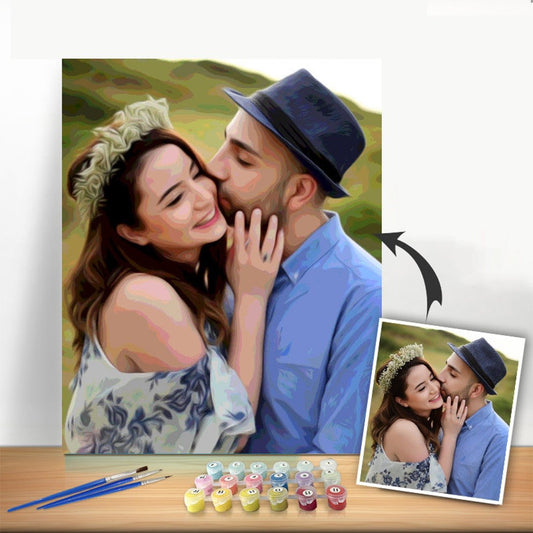
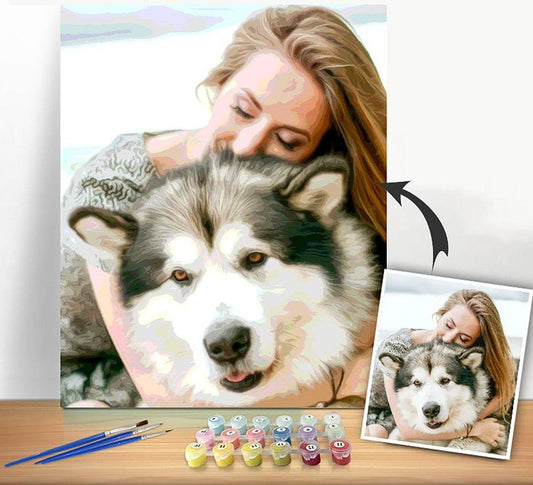
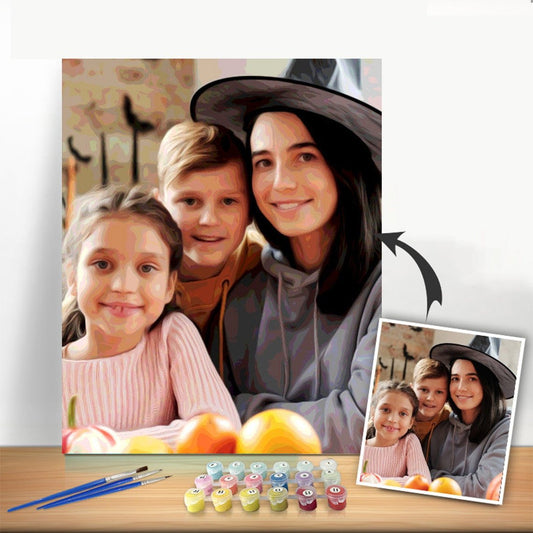
Ready to transform your favorite memories into a calming, creative experience? At Custom Paint By Numbers, you can turn any photo into a high-quality, personalized paint-by-number kit, complete with everything you need to start your stress-relief journey. Create your custom kit today.