
When the weather keeps everyone inside, or you're simply looking for engaging ways to connect with your children, finding the right activity can feel like a challenge. Endless rainy days or long school breaks often lead to the dreaded "I'm bored," leaving parents scrambling for ideas. This guide eliminates that guesswork, offering a curated collection of the best indoor activities for kids designed to spark joy and encourage learning.
We've compiled 10 fantastic ideas that do more than just pass the time; they combat boredom, foster creativity, and help you create lasting family memories. Forget generic suggestions. Here, you'll find everything from hands-on science experiments that fizz and pop to imaginative building projects that reach for the ceiling.
Each activity is broken down with simple, step-by-step guidance, a clear list of materials needed, and the specific developmental benefits your child gains along the way. Whether your child is an aspiring artist, a budding scientist, or an energetic adventurer, there’s something here for them. Prepare to transform your home into a vibrant hub of learning, laughter, and exploration. This isn't just a list; it's your go-to resource for turning any ordinary day into an extraordinary adventure.
1. LEGO Building and Block Construction
LEGO building and block construction are timeless indoor activities that challenge kids to use interlocking bricks to bring their imaginations to life. From simple towers to complex vehicles and entire cities, this activity is a powerhouse for developing crucial skills. It's more than just play; it's a hands-on lesson in engineering, creativity, and perseverance.
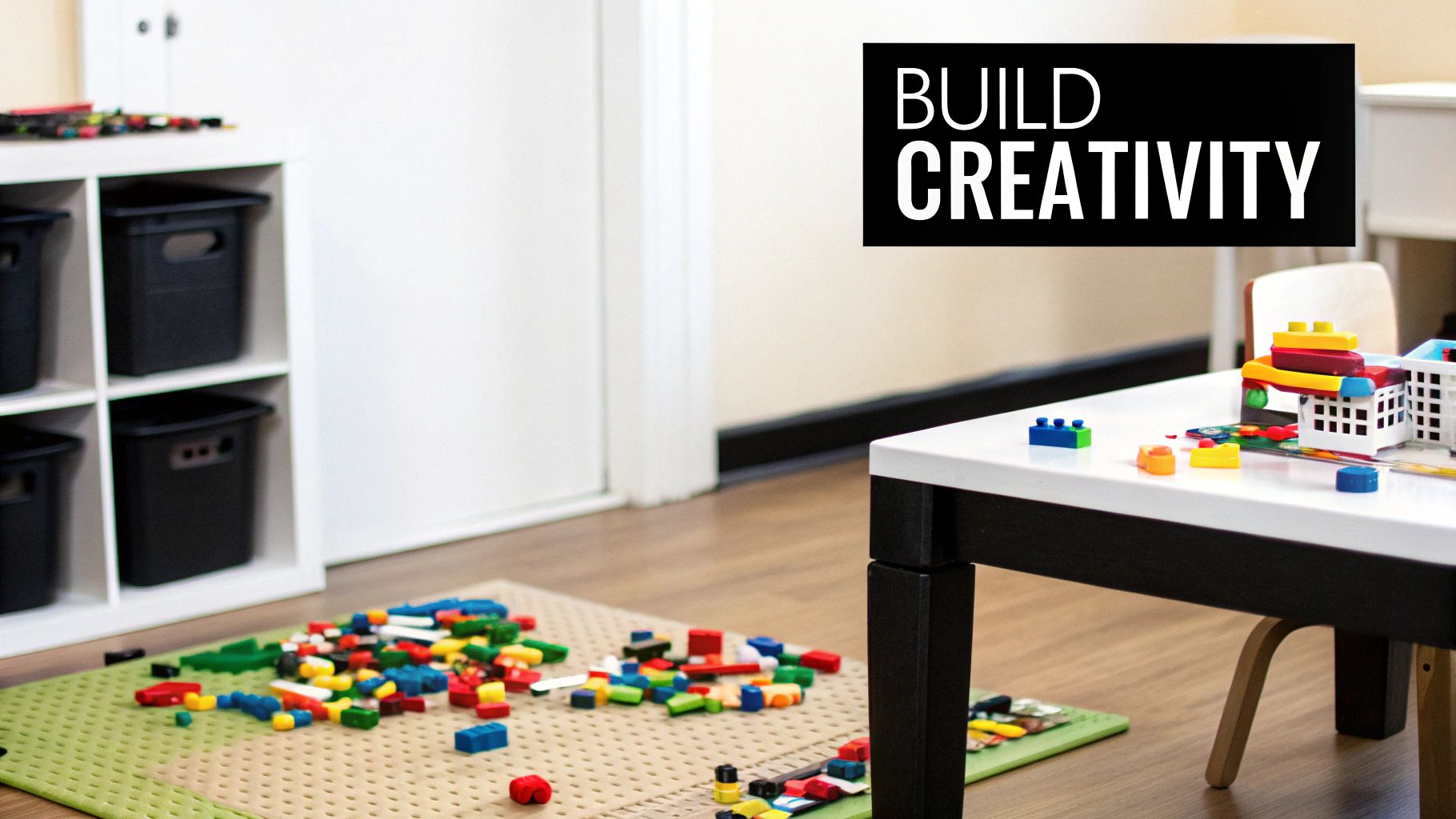
This classic toy is one of the best indoor activities for kids because it seamlessly blends fun with fundamental learning. As children select pieces, connect them, and solve structural problems, they enhance their spatial reasoning, fine motor skills, and problem-solving abilities. Whether following an instruction manual or building freely, they learn about symmetry, balance, and planning.
Why It's a Top Choice
The versatility of LEGO makes it suitable for a wide range of ages and skill levels. Its impact is seen in educational settings like the FIRST LEGO League robotics competitions and even therapeutic contexts, where it helps children develop social and communication skills.
Getting Started with LEGO Building
- Create a Build Zone: Designate a specific area for building, like a small table or a mat on the floor. This helps contain the pieces and gives your child a dedicated creative space.
- Organize Your Bricks: Use clear storage bins to sort pieces by color, size, or type. This makes finding the right piece easier and reduces frustration, keeping the focus on fun.
- Start with Open-Ended Play: Before introducing complex kits, let your child experiment with a basic collection of bricks. This encourages pure creativity and helps them understand how the pieces connect.
- Document Their Creations: Take photos of completed projects before they are disassembled. This validates your child’s effort and creates a portfolio of their work they can be proud of.
2. Arts and Crafts Projects
Arts and crafts projects are fantastic indoor activities that allow kids to explore their creativity using a variety of materials. From simple paper and crayon drawings to more involved projects with paint, clay, or fabric, this activity empowers children to express their ideas and create tangible pieces of art they can feel proud of. It’s a hands-on way to turn a quiet afternoon into a vibrant, imaginative adventure.

This creative outlet is one of the best indoor activities for kids because it nurtures self-expression while developing key skills. As children cut, glue, paint, and build, they improve their fine motor control, hand-eye coordination, and decision-making abilities. They learn about colors, shapes, and textures, all while following instructions or inventing their own unique designs, which builds confidence and problem-solving skills.
Why It's a Top Choice
The sheer variety of arts and crafts makes this activity adaptable for any age, interest, or skill level. Its benefits are seen in school art programs and even therapeutic settings where it helps with emotional expression. For textile-based crafts, older kids might enjoy a kids' fashion set serger project to design unique clothing.
Getting Started with Arts and Crafts
- Set Up a Craft Zone: Designate an area with an easy-to-clean surface, like a table covered in newspaper or a craft mat. This makes cleanup simple and gives kids a dedicated space to be creative.
- Stock the Basics: Keep a well-organized supply bin with essentials like paper, crayons, markers, child-safe scissors, and glue. Having materials ready makes spontaneous creativity possible.
- Begin with Simple Ideas: Start with straightforward projects that guarantee a fun outcome. You can find inspiration and discover simple art projects for beginners to get started.
- Display Their Masterpieces: Proudly hang finished artwork on the fridge or in a special frame. This validates their effort and boosts their self-esteem, encouraging them to create more.
3. Indoor Obstacle Courses
Indoor obstacle courses transform your living space into an exciting adventure zone using everyday furniture, pillows, and household items. Children navigate a series of physical challenges by crawling, jumping, balancing, and climbing, turning a rainy day into an active playtime. This activity is a fantastic way to burn off energy and develop gross motor skills in a safe, controlled environment.

This dynamic activity is one of the best indoor activities for kids because it promotes physical fitness, coordination, and problem-solving. As children figure out how to get over, under, or around an obstacle, they are building strength, balance, and body awareness. It’s a playful workout that encourages creativity in both the setup and the execution.
Why It's a Top Choice
Indoor obstacle courses are easily adaptable for different ages and abilities, making them a go-to for families with multiple children. The concept is widely used in occupational therapy and physical education to help kids build motor planning skills and confidence. It’s a cost-effective activity that requires imagination more than expensive equipment.
Getting Started with an Indoor Obstacle Course
- Establish Safety Rules: Before starting, clearly define the rules, such as no running on hard surfaces. Use soft materials like pillows, blankets, and cushions for landing zones to prevent injuries.
- Create Clear Stations: Design a clear path with a distinct start and finish line. Use painter's tape on the floor to mark paths for crawling or lines for balancing.
- Time the Challenge: Add a competitive and fun element by timing how long it takes your child to complete the course. This encourages them to improve their speed and agility with each attempt.
- Document the Fun: Take photos or videos of your kids navigating the course. Celebrating their achievements helps build self-esteem and creates lasting memories of their physical prowess.
4. Science Experiments and STEM Activities
Simple science experiments using household items transform your home into a learning lab, teaching children core scientific concepts through hands-on exploration. From a classic baking soda volcano to making gooey slime, these activities make complex ideas accessible and fun. They are one of the best indoor activities for kids because they spark curiosity and nurture a love for discovery.
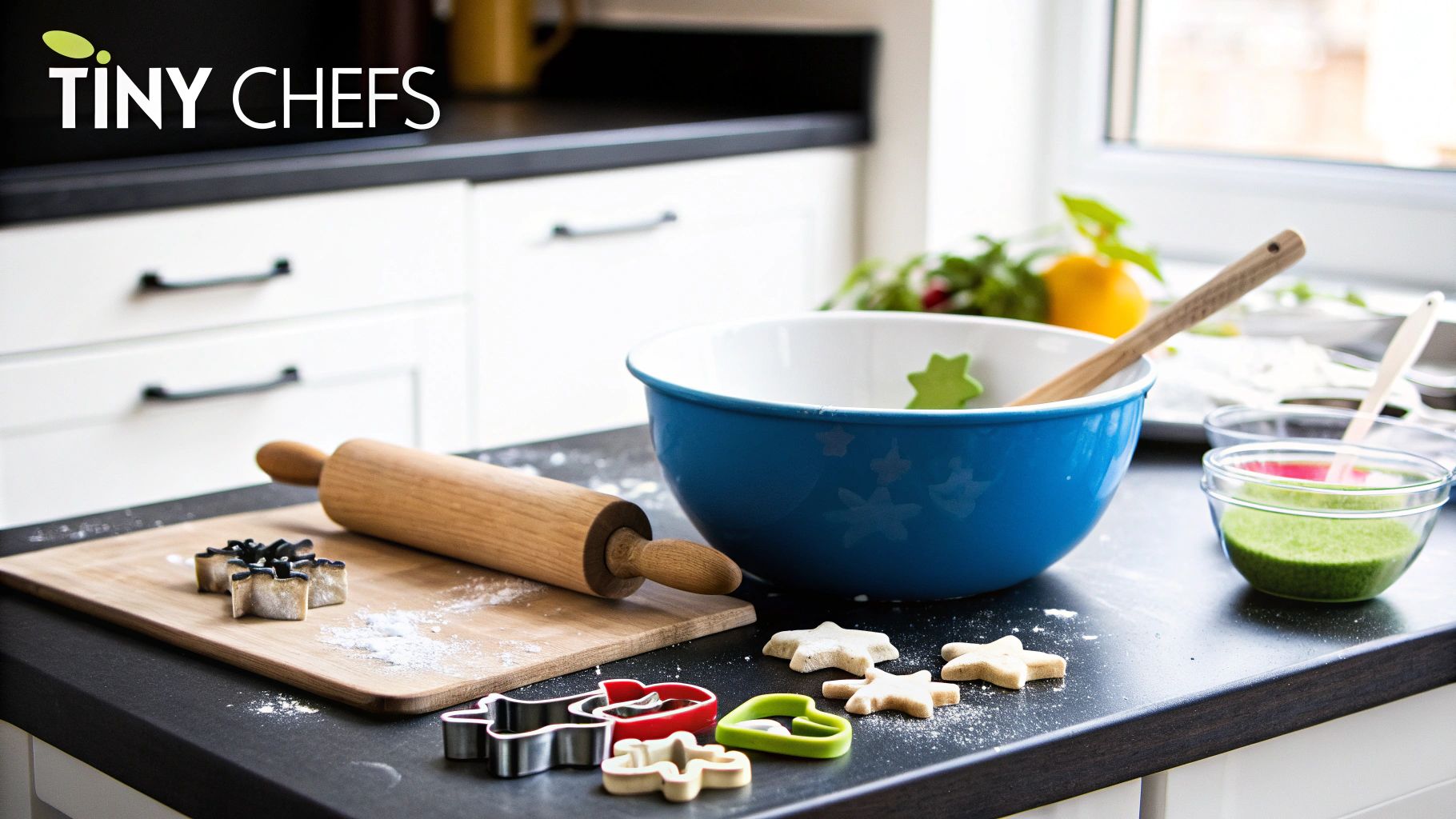
This engaging approach demystifies science by making it interactive and tangible. As children measure ingredients, observe reactions, and analyze outcomes, they develop critical thinking, observation skills, and a foundational understanding of the scientific method. Activities like growing salt crystals or exploring polymers through slime-making turn abstract principles into memorable experiences.
Why It's a Top Choice
STEM activities empower children to ask questions, experiment, and find answers on their own, building confidence and resilience. Figures like Bill Nye the Science Guy and resources from NASA Education have popularized at-home science, showing that powerful learning can happen with simple, everyday materials.
Getting Started with Science Experiments
- Prepare Your Lab: Before starting, read all instructions and gather your materials. Having cleanup supplies like paper towels and a tray ready will make the process smoother.
- Encourage Predictions: Ask your child what they think will happen. This simple step encourages them to form a hypothesis, a key part of scientific thinking.
- Discuss the Results: After the experiment, talk about what happened and why. Connecting the fun activity to the underlying scientific concept reinforces the lesson.
- Keep a Science Journal: Have your child draw or write about their observations and results. This practice hones their documentation skills and creates a record of their learning journey.
5. Board Games and Puzzles
Board games and puzzles provide structured indoor entertainment that develops strategic thinking, social skills, and problem-solving abilities. From simple matching puzzles for toddlers to complex strategy games like Settlers of Catan for older kids, these activities offer a fantastic screen-free way to connect as a family and challenge the mind.
This classic pastime is one of the best indoor activities for kids because it teaches valuable life lessons in a fun, engaging format. Players learn to follow rules, take turns, and think ahead. Completing a puzzle or winning a game provides a powerful sense of accomplishment, boosting confidence and perseverance.
Why It's a Top Choice
Board games and puzzles are incredibly versatile, offering something for every age and interest, from the cooperative fun of Forbidden Island to the competitive strategy of Chess. They create opportunities for communication and bonding while sharpening cognitive skills like pattern recognition, memory, and critical thinking.
Getting Started with Board Games and Puzzles
- Choose Age-Appropriate Options: Select games and puzzles designed for your child’s developmental stage to prevent frustration and ensure they remain engaged. Start with shorter games and gradually introduce more complex ones.
- Teach Good Sportsmanship: Use games as a chance to teach kids how to win and lose gracefully. Emphasize that the goal is to have fun together, not just to win.
- Create a Dedicated Game Area: Designate a shelf or cabinet for games and puzzles. Keeping them organized and accessible makes it easier to start a new game spontaneously.
- Rotate Your Collection: Keep the experience fresh by regularly rotating which games are front and center. To ensure your family board game sessions are always a hit, check out these tips for a successful board game night.
6. Cooking and Baking Activities
Cooking and baking are engaging indoor activities that turn the kitchen into a classroom where kids can learn practical life skills. From measuring ingredients to following recipes, these activities are a delicious blend of math, science, and creativity. It's more than just making a meal; it's a sensory experience that builds confidence and a healthy relationship with food.
This hands-on task is one of the best indoor activities for kids because it delivers tangible, tasty rewards for their efforts. As children mix, measure, and knead, they are practicing fine motor skills, learning to follow instructions, and understanding cause and effect. Whether making simple no-bake cookies or helping prepare a family dinner, they learn about nutrition, where food comes from, and the importance of teamwork.
Why It's a Top Choice
Cooking is a universal skill that connects children to culture and family traditions. Its educational value is highlighted in shows like MasterChef Junior, where young chefs demonstrate incredible talent, and in school programs that teach nutrition. This activity prepares them for future independence while creating lasting memories.
Getting Started with Cooking and Baking
- Start with Simple Recipes: Choose easy, no-bake recipes or ones with minimal steps, like making personal pizzas or fruit smoothies. This ensures a successful outcome and keeps young children engaged.
- Prepare Ingredients First: Practice mise en place by measuring and setting out all ingredients before you begin. This helps the process run smoothly and allows kids to focus on the fun parts, like mixing and decorating.
- Use Child-Safe Tools: Invest in kid-friendly knives, stools, and utensils. Prioritizing safety allows children to participate more fully and builds their confidence in the kitchen.
- Focus on the Process: Embrace the mess and celebrate the experience over a perfect final product. The learning happens in the doing, so let them crack the eggs and stir the batter, even if it isn't perfect.
7. Reading and Storytelling Sessions
Reading and storytelling sessions are cherished indoor activities that transport kids to new worlds, promote language development, and strengthen family bonds. Whether you're curled up with a classic picture book or creating a brand-new adventure from scratch, this activity nurtures a child’s imagination and emotional intelligence. It's more than just a pastime; it’s a foundational experience for literacy and creative thinking.
This simple yet powerful activity is one of the best indoor activities for kids because it requires no special equipment, just a good book and a comfortable spot. As children listen to stories, they expand their vocabulary, improve their listening comprehension, and learn about narrative structure. When they tell their own stories, they practice self-expression and build confidence in their ideas.
Why It's a Top Choice
The impact of reading aloud is championed by figures like Jim Trelease, author of The Read-Aloud Handbook, and programs like Dolly Parton's Imagination Library. These initiatives highlight how consistent storytelling builds a lifelong love for reading and learning. It’s a quiet, engaging activity that provides a perfect break from screen time and high-energy play.
Getting Started with Storytelling
- Create a Reading Nook: Designate a cozy corner with pillows, blankets, and good lighting. This dedicated space makes reading feel like a special event.
- Use Different Voices: Bring characters to life by using distinct voices, tones, and expressions. This makes the story more engaging and memorable for your child.
- Ask Open-Ended Questions: Pause and ask questions like, "What do you think will happen next?" or "How do you think the character feels?" to boost comprehension and critical thinking.
- Encourage Their Own Stories: Prompt your child to create their own tales. Start with a simple "Once upon a time..." and let their imagination lead the way, validating their creative input.
8. Dance and Movement Activities
Dance and movement activities are fantastic indoor pastimes that turn your living room into a stage for physical exercise and creative expression. From following choreographed routines in video games to freely moving to the rhythm of a song, these activities help kids burn off energy, improve coordination, and connect with music. It’s more than just fun; it's a way for children to express emotions and build confidence.
This type of play is one of the best indoor activities for kids because it combines physical health with artistic freedom. As children jump, spin, and groove, they develop gross motor skills, balance, and rhythm. Whether learning cultural dances or participating in a spontaneous "freeze dance" game, they engage their minds and bodies simultaneously, making it a powerful tool for holistic development.
Why It's a Top Choice
The accessibility of dance makes it a top choice; all you need is some music and space. Its benefits are recognized in programs like Zumba Kids, which makes fitness feel like a party, and in dance therapy for children with special needs. Social media dance challenges have also shown how movement can create connection and joy across the globe. For another active option, an indoor soccer game training mat set can provide a dynamic way to burn energy and practice skills.
Getting Started with Dance and Movement
- Create a Safe Dance Floor: Clear a space of furniture and potential hazards to give kids plenty of room to move freely and safely.
- Start Simple and Build: Begin with easy-to-follow movements like clapping, stomping, and swaying before introducing more complex steps or choreography.
- Encourage Creative Expression: Focus on having fun and expressing creativity rather than achieving perfect technique. Let your child’s unique style shine.
- Use a Variety of Music: Keep things interesting by playing different genres of music, from pop and classical to world music, to expose them to diverse rhythms and cultures.
9. Educational Video Games and Apps
Educational video games and apps merge engaging gameplay with learning objectives to teach subjects like math, reading, science, and coding. These digital tools are designed to adapt to a child's learning pace, providing instant feedback and turning education into a captivating quest. Instead of passive screen time, these activities actively challenge a child's mind.
This modern approach is one of the best indoor activities for kids because it harnesses technology to make learning accessible and fun. As children solve puzzles in games like DragonBox or code stories in Scratch Jr., they develop critical thinking, digital literacy, and problem-solving skills. These apps often use a game-based model to keep kids motivated and eager to learn more.
Why It's a Top Choice
The interactive nature of educational apps keeps children engaged far longer than traditional worksheets. Tools like Khan Academy Kids offer comprehensive curricula, while Duolingo makes learning a new language feel like a game. This makes them a powerful supplement to school-based learning.
Getting Started with Educational Apps
- Research and Vet Apps: Before downloading, read reviews from parents and educators to ensure the app is age-appropriate and free of inappropriate content or ads.
- Set Clear Time Limits: Establish a healthy routine by setting daily or weekly screen time limits. Use built-in parental controls to enforce these boundaries.
- Play Together: Engage with your child while they use the app. Ask questions about what they are learning to turn it into a shared, interactive experience.
- Balance with Other Activities: Ensure screen time is just one part of a well-rounded day that includes physical play, reading, and creative hands-on projects.
10. Indoor Gardening Projects
Indoor gardening brings the wonders of nature inside, allowing children to grow and care for their own plants, herbs, or vegetables. This hands-on activity teaches responsibility and patience while offering a living lesson in biology. From a simple pot on a windowsill to a small hydroponic system, it’s a rewarding way to connect with the natural world, even on a rainy day.
This is one of the best indoor activities for kids because it cultivates a sense of ownership and curiosity. As children water their plants, track their growth, and learn about the life cycle, they develop a deeper appreciation for where food comes from. The process is a fascinating science experiment that unfolds in real-time, teaching concepts like photosynthesis, germination, and the importance of nutrients.
Why It's a Top Choice
Indoor gardening is accessible to families in any living situation, from large houses to small apartments. The skills learned are practical and long-lasting, promoting an interest in science and healthy eating. It has been popularized by school garden movements and urban farming advocates who recognize its power to educate and inspire young minds.
Getting Started with Indoor Gardening
- Start with Easy Plants: Choose fast-growing, low-maintenance plants like beans, radishes, or herbs like mint and basil to ensure a successful first experience.
- Use Clear Containers: Plant seeds in a clear jar or container with soil so children can see the roots grow and witness the magic happening below the surface.
- Create a Care Chart: Make a simple schedule for watering and sunlight exposure. This helps children take ownership of the task and builds a consistent routine.
- Document the Growth: Encourage kids to take weekly photos or draw pictures of their plant's progress. Measuring its height and counting new leaves turns the activity into a fun data-tracking project.
Top 10 Indoor Activities for Kids: Feature Comparison
| Activity | Implementation Complexity 🔄 | Resource Requirements ⚡ | Expected Outcomes 📊 | Ideal Use Cases 💡 | Key Advantages ⭐ |
|---|---|---|---|---|---|
| LEGO Building and Block Construction | Moderate - requires planning and sorting | High - specialized sets can be costly | Develops spatial reasoning, creativity, problem-solving | Creative play, STEM learning, therapy | Enhances engineering thinking, reusable |
| Arts and Crafts Projects | Low to Moderate - variable by project | Low - often uses household/recycled items | Boosts creativity, fine motor skills, self-expression | Art education, recreational creativity | Cost-effective, therapeutic, diverse |
| Indoor Obstacle Courses | Low - simple setup, customizable | Very Low - uses household items | Improves gross motor skills, coordination, physical fitness | Physical activity in limited indoor space | Inexpensive, adaptable, promotes exercise |
| Science Experiments and STEM Activities | Moderate - prep and supervision needed | Low to Moderate - common or specialty items | Fosters scientific thinking, observation, curiosity | Educational, STEM introduction, hands-on learning | Engaging science learning, critical thinking |
| Board Games and Puzzles | Low - rules-based with setup | Low to Moderate - depends on game size | Develops strategic thinking, social skills, patience | Family bonding, social play, strategy practice | Social interaction, screen-free entertainment |
| Cooking and Baking Activities | Moderate - safety and prep required | Moderate - kitchen tools and ingredients | Builds practical life skills, math, nutrition awareness | Life skill teaching, family activities | Practical skills, confidence building |
| Reading and Storytelling Sessions | Low - minimal materials | Very Low - primarily books or imagination | Enhances language, imagination, emotional intelligence | Language development, bonding, quiet time | Improves literacy, imaginative play |
| Dance and Movement Activities | Low to Moderate - space and music needed | Low - music source and open space | Improves coordination, rhythm, self-expression | Physical exercise, creative expression | Physical health, cultural awareness |
| Educational Video Games and Apps | Moderate - device and software setup | Moderate to High - requires devices and apps | Develops digital literacy, problem-solving, subject knowledge | Supplementary learning, tech integration | Engaging, adaptive learning |
| Indoor Gardening Projects | Moderate - daily care and setup | Low to Moderate - plants, containers | Teaches responsibility, biology, patience | Biology education, connection to nature | Hands-on biology, environmental awareness |
Keeping the Fun Going, Rain or Shine
As we've explored, the four walls of your home don't have to limit your child's world. On the contrary, they can become the backdrop for incredible adventures, scientific discoveries, and creative masterpieces. This extensive list of the best indoor activities for kids is more than just a collection of ideas; it's a versatile toolkit designed to help you transform any rainy day, sick day, or quiet afternoon into an opportunity for connection, learning, and laughter.
From the structured logic of LEGO building and the strategic thinking of board games to the free-form expression of a living room dance party, each activity offers a unique pathway to growth. You've seen how a simple kitchen can become a science lab, a hallway can morph into a challenging obstacle course, and a cozy corner can transform into a magical story land. The key is variety and adaptability.
Your Takeaway Toolkit for Indoor Fun
The true power of these activities lies not in executing them perfectly but in embracing the process. The goal is to nurture curiosity, build resilience, and strengthen family bonds. Remember these core principles as you choose your next indoor adventure:
- Follow Their Lead: Pay attention to what genuinely excites your child. If they are fascinated by how things work, lean into STEM experiments. If they love to create, keep your craft bin well-stocked. Tapping into their natural interests is the surest way to guarantee engagement.
- Embrace Imperfection: A lopsided cake, a wobbly block tower, or a science experiment that doesn't go exactly as planned are not failures. They are valuable learning moments that teach problem-solving and perseverance. Celebrate the effort, not just the outcome.
- Mix and Match: Don't feel pressured to stick to one type of activity. A successful day might include a high-energy obstacle course to burn off steam, followed by a quiet puzzle-solving session to wind down. Balancing active, creative, and calm activities is essential for a well-rounded experience.
Beyond the Activity: The Lasting Impact
Ultimately, the best indoor activities for kids are those that create lasting memories and build foundational skills. When you bake together, you’re not just making cookies; you're teaching measurement, patience, and the joy of creating something to share. When you build a fort, you're not just piling up blankets; you're fostering teamwork, spatial reasoning, and imaginative play. These moments are the building blocks of a happy, healthy childhood.
So, the next time the weather keeps you inside, don't see it as a limitation. See it as an invitation. An invitation to explore, to create, and to connect more deeply with the amazing young person in your life. Keep this list handy, stay flexible, and get ready to make some magic indoors.
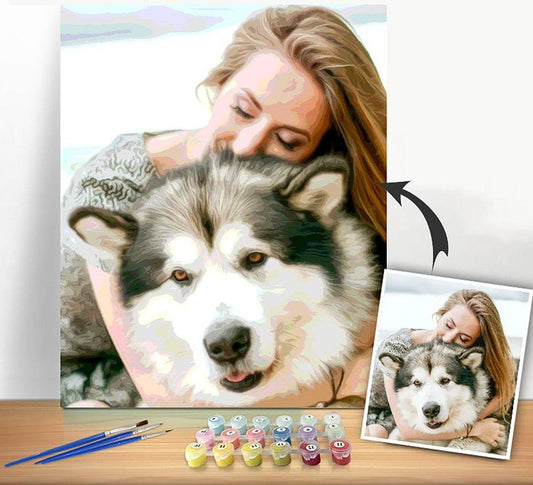
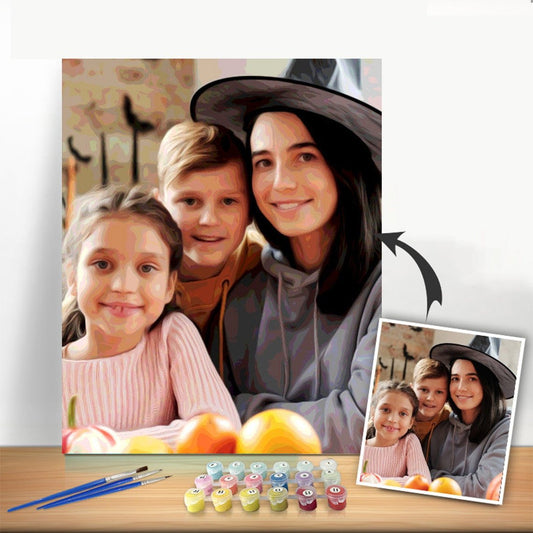
Ready to unlock your child's inner artist with a project that is both structured and deeply personal? Transform a favorite family photo into a masterpiece with a kit from Custom Paint By Numbers. It's a perfect indoor activity that combines the focus of a puzzle with the creative satisfaction of painting, resulting in a keepsake you'll cherish forever. Custom Paint By Numbers