
The best paint by number kits all share a few things in common: a high-quality linen canvas, vibrant paints that are ready to go, and a good set of brushes. Get these components right, and you're set up for a fantastic painting experience and a piece of art you’ll actually want to hang on your wall.
What Makes a Great Paint by Number Kit
Trying to pick a paint by number kit can feel a bit like navigating a maze. But once you know what to look for, you can easily spot the difference between a kit that will be a joy to paint and one that will just cause frustration. The hobby has absolutely exploded in popularity, and for good reason—it's a wonderful way for adults to unwind and tap into their creative side.
This isn't just a small trend, either. The global market for these kits hit around USD 1.56 billion in 2024, which shows just how many people are falling in love with this craft. While it's great to have so many options, it also means you need to be a little more discerning when you buy.
The Core Components of Quality
A truly great kit is all about what's inside the box. The quality of the canvas, paints, and brushes will define your entire experience, from the moment you start to the finished piece. Getting a handle on these key elements is the first step toward finding the best paint by number kits for adults.
Here’s what you should be looking for:
-
The Canvas: Always opt for a pre-printed linen canvas. Linen is simply superior to cotton for this kind of work. It has a beautiful texture that grabs the paint nicely and prevents it from bleeding, which keeps your lines crisp and clean.
-
The Paints: The best kits come with non-toxic acrylic paints that are vibrant and well-pigmented. They should be packaged in small, vacuum-sealed pots. This is a crucial detail because it keeps them from drying out before you even get to use them.
-
The Brushes: You'll want a kit that provides a few different brushes. A decent set will include varied tips—like a fine point for tiny details, a flat brush for larger sections, and a round one for everything in between. This variety gives you the control you need to paint with precision.
To help you remember what to look for at a glance, here’s a quick summary of the most important features.
Key Features of High-Quality Kits
This table breaks down the essential components to look for when you're shopping. It's a handy cheat sheet to help you make a quick and informed decision.
| Component | What to Look For | Why It Matters |
|---|---|---|
| Canvas | Pre-printed, high-quality linen | Provides a smooth, durable surface that prevents paint bleeding. |
| Paints | Vibrant, non-toxic acrylics in vacuum-sealed pots | Ensures paints are fresh, have rich color, and are ready to use. |
| Brushes | A set with varied tip shapes (fine, flat, round) | Gives you the right tool for both large areas and fine details. |
Keeping these three things in mind will steer you toward a kit that delivers a much more enjoyable and rewarding painting process.
How to Judge Kit Quality Before You Buy
We’ve all been there—you get excited about a new project, but the supplies are so bad they ruin the whole experience. When it comes to paint-by-numbers, this is especially true. The difference between a fantastic kit and a frustrating one often comes down to a few small but crucial details.
The quality of the materials is everything. It directly affects how your finished piece will look and how much you enjoy the process. Let's start with the foundation: the canvas.
While many kits use basic cotton, a rolled linen canvas is the gold standard. Linen has a much finer, smoother texture that really grips acrylic paint. This means your colors go on smoothly, and you get crisp, clean lines without the paint bleeding into other sections.
What to Look for in Paints and Brushes
Next up, the paints. There’s nothing worse than opening a brand-new kit to find your paints are dried-out little pucks. The best kits come with non-toxic, pre-mixed acrylic paints in small, vacuum-sealed pots. This packaging is a huge green flag, as it keeps the paint fresh and ready to use.
The brushes are another dead giveaway of a kit's quality. If you only see one flimsy, generic brush, be wary. A good kit will provide a small set with varied tips, giving you the right tool for the job. You should look for:
- A fine-tipped brush for tiny, detailed areas.
- A flat brush for covering larger sections efficiently.
- A standard round brush for general-purpose painting.
Having these options gives you the control you need to create something you’re truly proud of.
A well-made kit sets you up for success from the very beginning. When the canvas is smooth, the paints are vibrant, and the brushes are precise, you can focus entirely on the meditative joy of painting.
The massive popularity of paint-by-numbers isn't just a fluke; it’s a wonderful way to unwind and express your creativity. The infographic below is a great little cheat sheet for picking a kit that will lead to relaxation, not frustration.
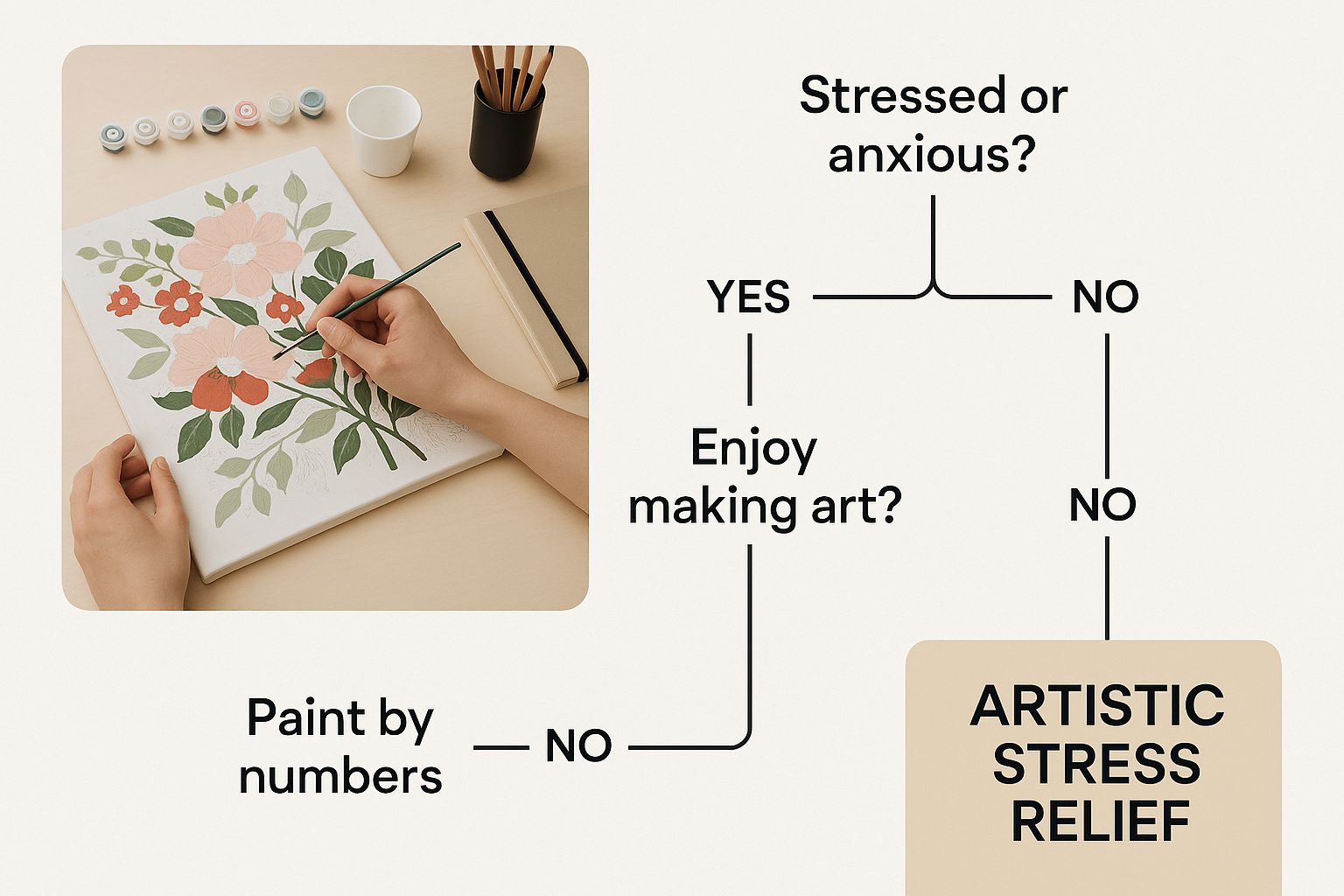
As you can see, the right supplies are directly linked to having a calming and rewarding artistic journey.
This enthusiasm is part of a much bigger picture. North America alone holds a 33.31% share of the global art and craft materials market. With the total market valued at USD 22.57 billion in 2024, it’s clear that people are investing in their creative hobbies. If you're curious, you can read the full research about the art and craft materials market to see just how big the trend is.
Choosing a Design You'll Love to Paint
Let's be honest, the best paint-by-number kit is one you can't wait to start. The design is the soul of the project, so picking something you genuinely connect with is the single most important decision you'll make. This isn't just about finding a pretty picture; it's about choosing an experience you'll want to get lost in for hours.
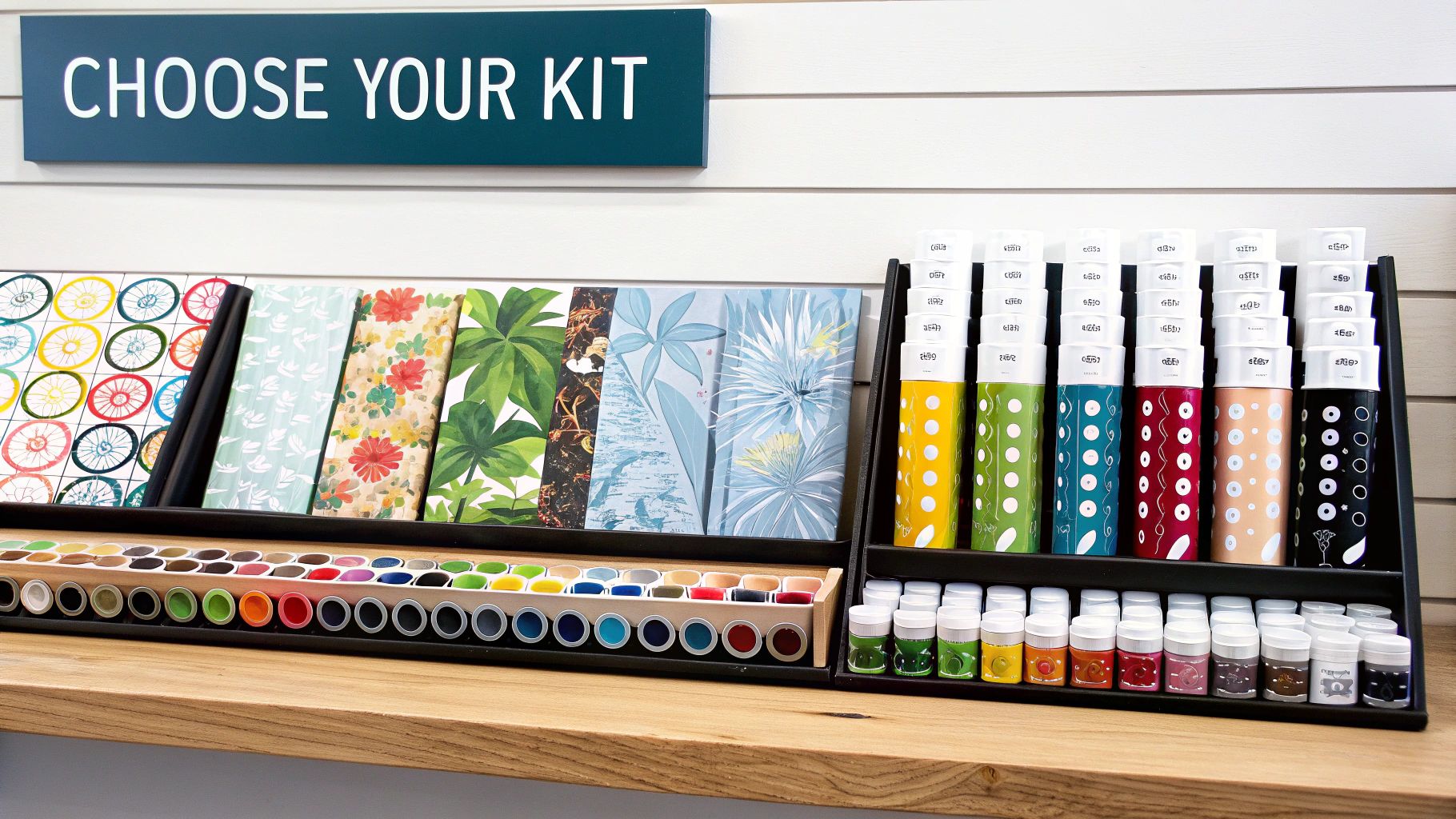
So, what gets you excited? Are you drawn to calming landscapes with soft, earthy tones, or do you love the energy of a vibrant, abstract piece? Maybe a detailed portrait of an animal is what catches your eye. The variety is staggering, from famous masterpieces to quirky modern designs. Take your time and find something that speaks to you.
Match the Complexity to Your Skill Level
Once you have a subject in mind, it's time to think about complexity. If you're new to this, a canvas packed with hundreds of tiny, intricate spaces can feel more like a chore than a hobby. On the flip side, if you’ve done a few of these before, a simple design with big blocks of color might not hold your interest.
Here’s a quick way I gauge a kit’s difficulty:
- Beginner-Friendly: These kits have larger, well-defined numbered areas and usually a smaller set of colors. They're fantastic for a relaxing weekend project or your first time out.
- Intermediate to Advanced: Look for designs with lots of tiny, detailed sections. These require a steady hand and a bit more patience, but the payoff is a stunningly detailed piece of art.
Getting this right is all about finding your sweet spot. You want a challenge that feels satisfying, not stressful.
Your paint-by-number project should feel like a creative escape, not a frustrating task. Picking a design that matches your personal taste and current skill level is the key to ensuring you love every moment of the process, from the first brushstroke to the last.
The Rise of Custom Designs
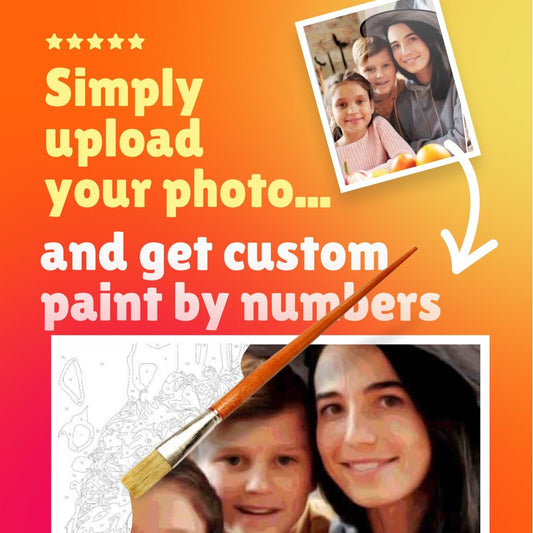
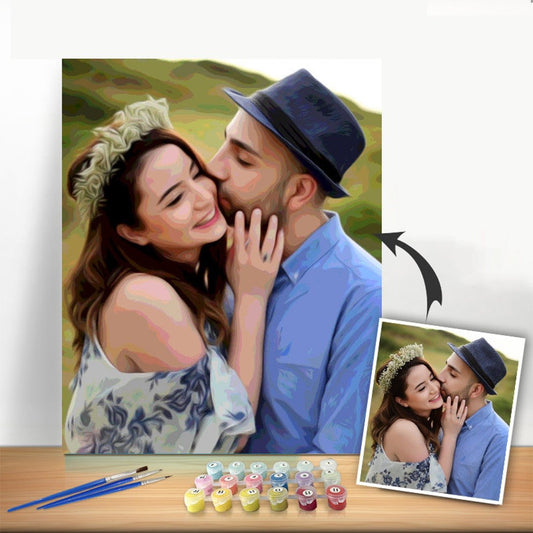
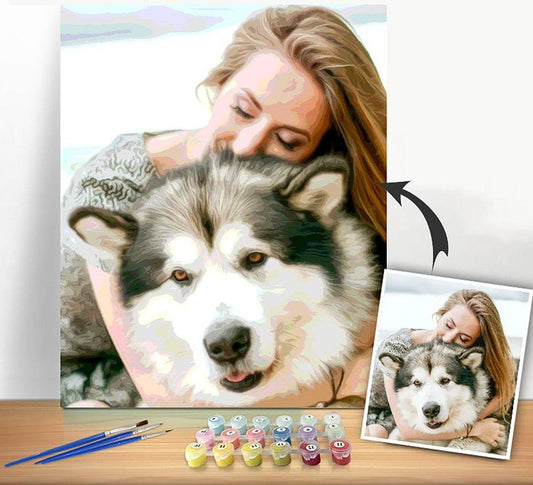
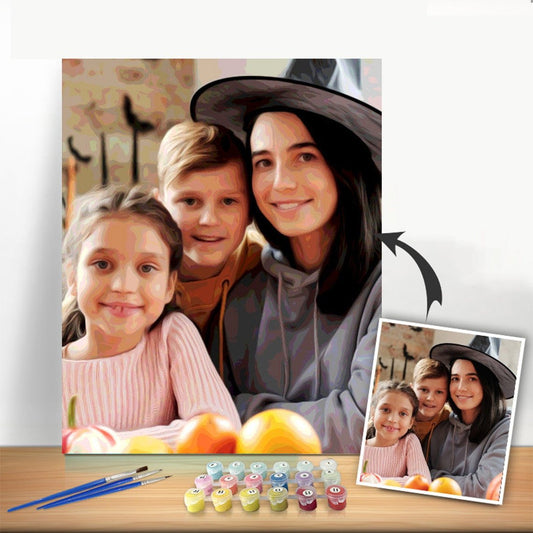
If you want something truly unique, custom kits are where it's at. They have completely changed the game, and personalized designs are now some of the biggest sellers. It’s no surprise—people love turning their own photos into art.
Think about a portrait of a beloved pet, a favorite family photo, or a snapshot from an unforgettable vacation. With a custom kit, that memory becomes a hands-on project and a meaningful keepsake. You can discover more insights about personalized kits on JustPaintByNumber.com to see how it works. It’s a wonderful way to make your art deeply personal.
Getting Your Paint Station Ready
A great painting session starts before you even dip a brush in paint. Taking a few minutes to set up your space properly can be the difference between a frustrating mess and a relaxing, immersive experience. It's all about creating a little sanctuary where you can focus on the art without any hassle.
First things first, find a good spot. You need a flat, stable surface like a desk or a kitchen table. Good lighting is key—natural light from a window is ideal, but a bright lamp will do the trick. I always lay down some old newspaper or a cheap plastic tablecloth. This simple step saves me from worrying about stray paint drips and makes cleanup a breeze.
Once your surface is protected, it's time to get your supplies in order. A good paint-by-number kit comes with everything you need, but a little organization goes a long way.
Prepping the Canvas and Paints
If your canvas came rolled up, you'll want to flatten it out. A wrinkly canvas is a pain to paint on. An easy fix is to lay it under a stack of heavy books for a day or so. You can also gently iron the back of the canvas on a low setting, but be sure to put a towel between the iron and the canvas to protect it.
Next, arrange your paint pots. I like to lay them out in numerical order, like from 1 to 24. It seems like a small thing, but not having to hunt for the right color mid-stroke really helps you stay in the zone.
Setting up isn't just a chore; it's part of the ritual. It helps your mind transition from the chaos of the day to a place of calm, creative focus. This is how painting becomes a truly meditative escape.
Finally, let's talk about your brush station. This is a pro tip that makes a huge difference. You'll need two cups of water and a paper towel.
- Cup One: This is your "dirty water" cup. Use it for the first big rinse when you switch colors.
- Cup Two: Keep this one filled with clean water for a final, quick dip to get any last bits of pigment out.
- Paper Towel: After rinsing, gently blot your brush here. This removes excess water so you don't dilute your next color.
This two-cup system is the secret to keeping your colors from getting muddy, ensuring your final painting looks clean and vibrant. Now that you're all set up, you're ready to bring your masterpiece to life.
A Few Simple Tricks for a Flawless Finish
With your station all set up, you're ready to start bringing that canvas to life. The basic idea is simple—just paint inside the lines—but a few pro tips can take your finished piece from a fun craft project to something you’ll be proud to hang on your wall.
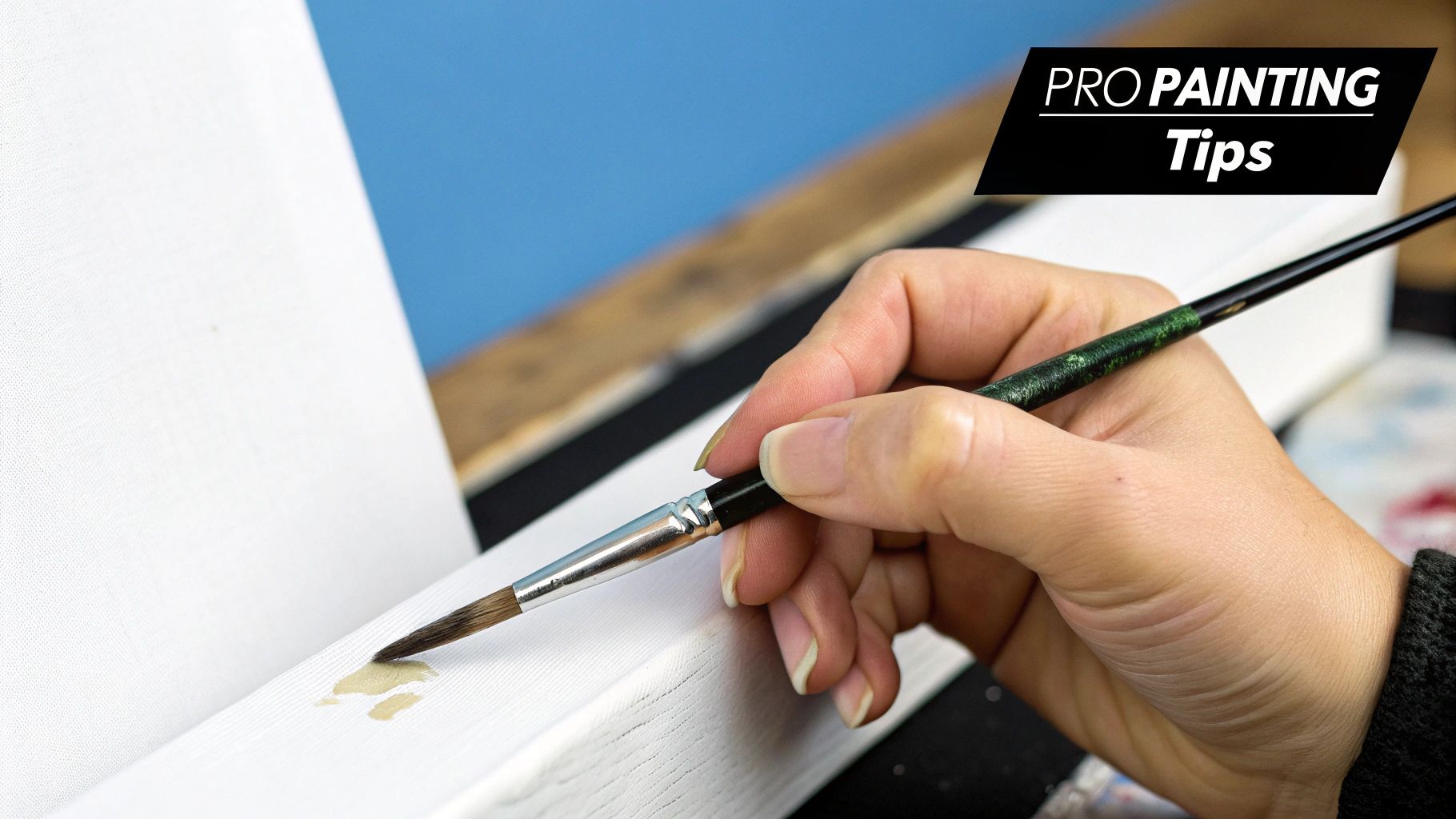
Here's a strategy I always recommend: start with your lightest colors and work your way to the darkest. This is what we call the light-to-dark method. Get all the whites, pale yellows, and light blues filled in first.
Why? It’s a simple preventative measure. If a dark pigment accidentally smudges into a light area, it's a real pain to fix. Working light-to-dark keeps every color looking clean and vibrant, giving your painting that crisp, intentional look.
How to Add Depth and Smoothness
Ever notice how some paint-by-number pieces still have the numbers peeking through? An easy fix for this is a second coat of paint. This is particularly useful for those lighter shades, which can be a bit translucent on the first pass. Just let the first layer dry completely, then go back over it for a rich, solid color.
You can also play around with blending to soften those distinct lines between colors. It sounds intimidating, but it's not. While two adjacent colors are still wet on the canvas, just take a clean, slightly damp brush and gently blur the line where they meet. This simple feathering technique creates a much more natural, painterly transition.
The point isn't to become a master artist in one afternoon. It’s about learning a few easy tricks to hide the guide numbers, smooth out the transitions, and give your painting a polished look you can't wait to show off.
Once your masterpiece is completely dry (give it at least 24 hours to be safe), you can add a finishing touch that really makes the colors pop: a clear varnish. A thin layer of matte or gloss acrylic sealer will protect your work from dust and fading. More importantly, it deepens the colors and gives the whole piece a professional, gallery-worthy sheen.
If you're curious about more techniques, our guide on acrylic painting techniques for beginners has even more great tips.
Got Questions? Let's Get Them Answered
No matter how many paint-by-number kits you’ve tackled, questions are bound to pop up. It happens to everyone! Getting a quick answer can be the difference between a frustrating session and a relaxing one. Here are some of the things people ask me most often.
What Makes a Great Kit for Beginners?
If you're new to this, you want a kit that sets you up for success, not frustration. The best starting point is a design with larger, simpler shapes. You'll build confidence much faster when you're not squinting at tons of tiny, complex sections.
I always recommend looking for a few key features:
- A limited color palette: Juggling 15 colors is much easier than juggling 30 when you're just getting the hang of it.
- A framed canvas: A pre-stretched, framed canvas is a game-changer. You can start painting immediately without worrying about flattening a rolled-up canvas.
- Multiple brush sizes: A good beginner kit should include at least two or three different brushes to help you fill in both the big areas and the fiddly details.
"Oops, I Used the Wrong Color!" How to Fix It
It’s going to happen. You're in the zone, listening to music, and suddenly you realize you've painted section #7 with the paint for section #17. Don't worry! This is one of the easiest painting mistakes to fix.
The trick is patience. Just let the wrong color dry completely. Once it’s dry to the touch, you can paint right over it with the correct color. Acrylics are wonderfully opaque, so they’re great at covering up little errors.
Now, if you're trying to cover a dark color (like a black or deep blue) with a very light one (like a white or pale yellow), you might need a couple of layers. Apply a thin coat, let it dry, then add another. Two or three thin coats are all it usually takes.
Mistakes are just part of the creative process. The beauty of acrylic paint is its forgiving nature, allowing you to easily correct errors and keep your artwork looking its best.
Are Custom Kits Really Worth It?
One hundred percent, yes—if you’re looking for a project that's truly personal. There's something special about turning a photo of your dog, a family portrait, or a favorite vacation spot into a painting that you brought to life.
They do cost a little more than a standard kit, but the connection you feel to the finished artwork is something else entirely. It becomes more than just a painting; it's a memory. For many, this personal touch is a huge part of the therapeutic side of painting, and our guide on paint by numbers for seniors dives deeper into those benefits.
Ready to turn your favorite photo into a masterpiece? Custom Paint By Numbers makes it easy to create a personalized kit with high-quality materials, delivering a memorable artistic experience right to your door. Start your custom painting today!