
In today's classrooms, the most effective learning happens when students are actively engaged. Moving beyond traditional worksheets, we can unlock deeper understanding and foster a genuine love for learning through hands-on, creative projects. The challenge often lies in finding activities that are both fun and academically rigorous, meeting curriculum goals while keeping young minds captivated. This guide provides 10 powerful educational activities for elementary students, designed to do just that.
Each activity is a blueprint for meaningful learning, broken down with practical details to ensure successful implementation. You'll find everything you need, including:
- Grade-level appropriateness (K-2 and 3-5)
- Clear learning objectives
- Simple material lists
- Step-by-step instructions
- Helpful tips for differentiation
Whether you are a teacher planning your next unit, a homeschooling parent structuring a lesson, or a family member looking for enriching projects, these ideas will help transform core concepts into memorable, tangible experiences. The goal is to build skills, boost confidence, and show children that learning is an exciting adventure.
From turning a photograph into a personal work of art to creating collaborative murals, these projects connect academic subjects with creativity. They demonstrate how art can be a powerful tool for developing fine motor skills, exploring cultural perspectives, and even practicing mindfulness. To further explore age-appropriate activities that spark curiosity and cater to elementary students, consider the best games for 10-year-olds, which offer another avenue for combining play with skill development. This collection is your resource for making learning active, visible, and unforgettable.
1. Paint-by-Numbers as Structured Art Education
Paint-by-numbers offers a structured yet creative gateway into the world of art for elementary students. This method provides a pre-drawn canvas with numbered sections, where each number corresponds to a specific paint color. It removes the intimidation of a blank canvas, allowing children to focus on developing foundational skills like brush control, color application, and the patience needed to complete a project.

Unlike free-form painting, this guided approach ensures a successful outcome, which builds a child's artistic confidence. The process is one of the most effective educational activities for elementary students because it seamlessly integrates fine motor practice, color recognition, and spatial reasoning into an engaging and low-stress activity.
How to Implement This Activity
- Objective: To introduce basic painting techniques, improve fine motor skills, and build artistic confidence.
- Materials: An age-appropriate paint-by-numbers kit (including a numbered canvas, paints, and brushes), a small cup of water, and paper towels.
- Time Estimate: 45-90 minutes, which can be split into multiple sessions.
Step-by-Step Instructions:
- Set up a clean, protected workspace for the student.
- Explain the concept: Match the number on the canvas to the number on the paint pot.
- Guide them to paint one color at a time, starting with larger sections to build momentum.
- Encourage them to rinse the brush thoroughly when changing colors.
- Allow sections to dry completely before painting adjacent areas to prevent colors from mixing.
This structured method is particularly helpful for children who feel overwhelmed by open-ended art projects. The clear path to completion gives them a sense of control and accomplishment.
Tips for Success
- Start Small: Choose smaller, simpler kits for younger children (e.g., 8x10 inch canvases) to ensure they can finish without feeling frustrated.
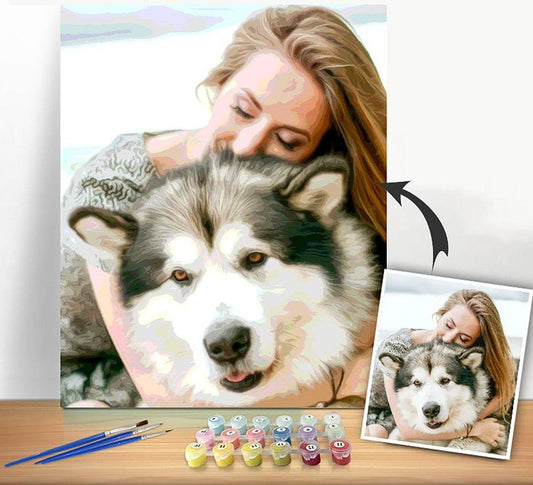
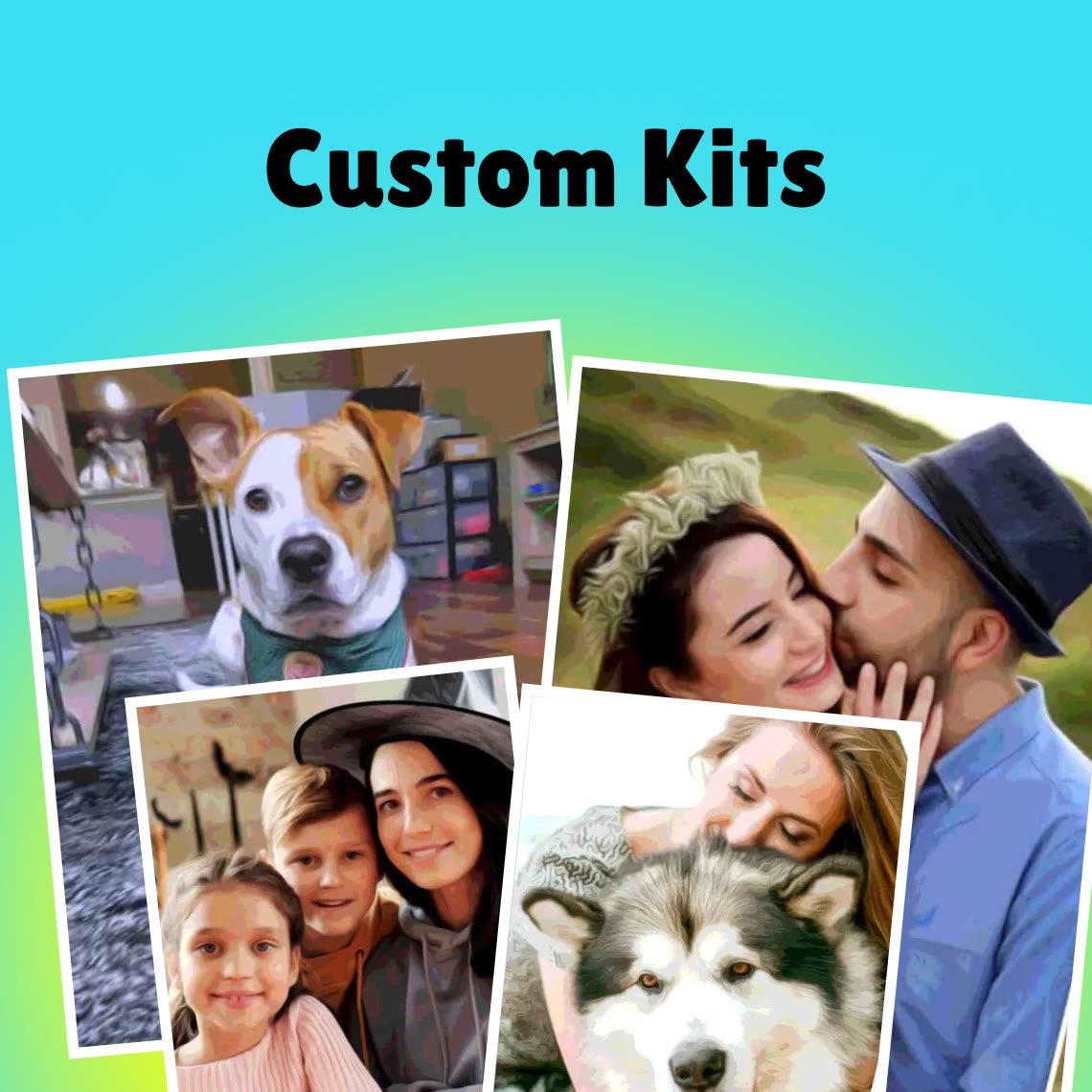
- Customize the Fun: Consider custom paint-by-numbers kits featuring family pets, favorite cartoon characters, or even the child's own photograph to increase their engagement.
- Celebrate the Art: Display the finished artwork proudly. This validates their effort and reinforces the idea that creating art is a rewarding process.
For those interested in exploring different options, a great collection of arts and crafts kits for kids can provide more ideas tailored to various age groups.
2. Photo-to-Artwork Personalization Projects
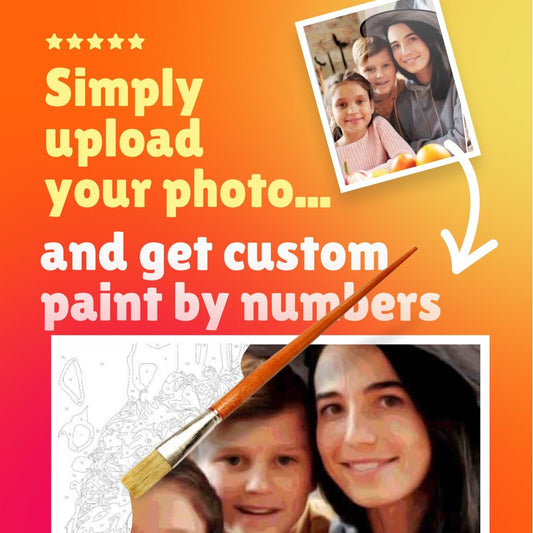
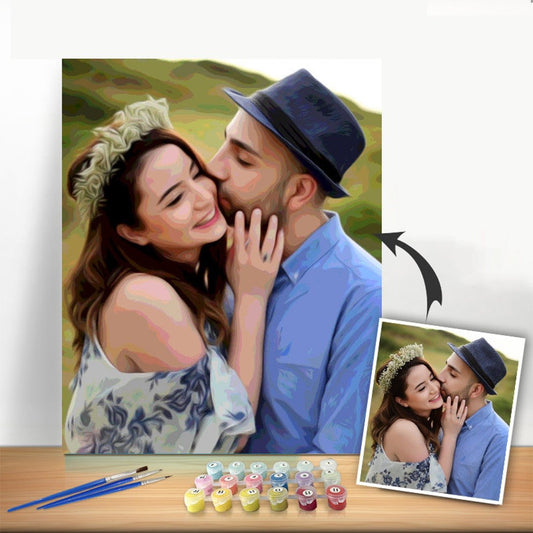
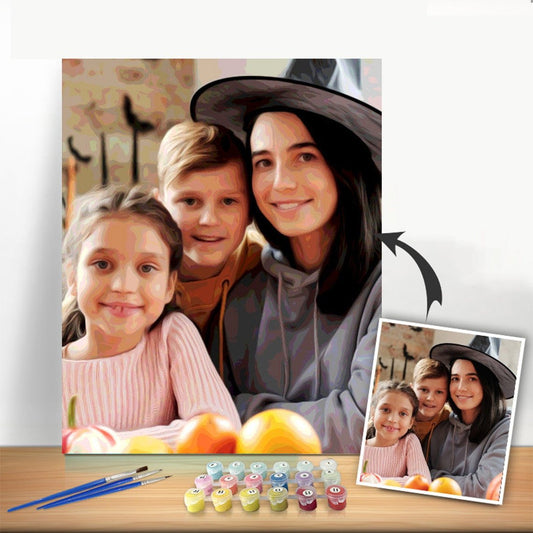
This activity transforms personal photographs into custom paint-by-number artworks, creating deeply meaningful learning experiences. Students select significant photos like family portraits, beloved pets, or favorite places and have them converted into numbered canvases. The process bridges digital literacy with traditional art, placing students' personal narratives at the center of their creative work. It introduces concepts like composition, perspective, and the connection between photography and painting.

By turning their own memories into art, students develop a powerful sense of ownership and purpose. This makes it one of the most personal educational activities for elementary students, as it validates their experiences while teaching artistic skills. For instance, a class project could involve students turning photos from a school field trip into a collective art display, reinforcing shared memories and learning.
How to Implement This Activity
- Objective: To connect personal experiences with art creation, teach basic photo composition, and develop fine motor skills.
- Materials: A high-quality digital photograph, access to a custom paint-by-numbers service, and a standard painting setup (water cup, paper towels).
- Time Estimate: 60-120 minutes, perfect for splitting across several art sessions.
Step-by-Step Instructions:
- Discuss what makes a good photograph for a painting (clear subject, good lighting).
- Have students select a meaningful personal photo.
- Upload the chosen image to a service like Custom Paint By Numbers to create the kit.
- Once the kit arrives, set up the painting station.
- Guide the student through the process of matching numbers to paints, just like a standard kit.
This activity is especially impactful as a culminating project. After a unit on family, community, or even environmental science (using nature photos), creating a personalized artwork provides a tangible and memorable conclusion.
Tips for Success
- Photo Choice is Key: Encourage students to pick high-contrast, clear photos. A simple background helps the main subject stand out and makes for a better painting.
- Manage Complexity: Start with kits that have a medium color complexity (around 24 colors) for elementary students to ensure the project remains enjoyable, not overwhelming.
- Frame the Memory: Frame the finished pieces and encourage students to give them as gifts to family members. This strengthens emotional connections and reinforces the value of their hard work.
3. Color Theory and Mixing Laboratory
Transforming a simple painting session into a vibrant science experiment, a Color Theory and Mixing Laboratory uses structured kits to teach the fundamentals of color science. Students learn how primary colors (red, yellow, blue) combine to create secondary and tertiary colors. Following a numbered system while observing how colors interact provides a hands-on, empirical understanding of color relationships.
This activity is a fantastic example of STEAM (Science, Technology, Engineering, Arts, and Math) in action. It makes abstract concepts like color harmony and perception concrete and memorable. This approach is one of the most effective educational activities for elementary students because it supports both artistic development and core scientific learning objectives in a single, engaging project.
How to Implement This Activity
- Objective: To demonstrate how primary colors mix to form secondary and tertiary colors, and to introduce basic color theory concepts.
- Materials: A paint-by-numbers kit (ideally with a simple design), extra palette or paper plate for mixing, color wheel chart, and student journals.
- Time Estimate: 60-90 minutes.
Step-by-Step Instructions:
- Introduce the primary colors and a color wheel.
- Have students identify the primary colors in their paint kit.
- Instruct them to find a section on the canvas that requires a secondary color (e.g., green).
- Guide them to mix the two corresponding primary colors (blue and yellow) on their palette to create the required green.
- Have them paint the section with their newly mixed color and record the "formula" (e.g., yellow + blue = green) in their journal.
- Repeat for other secondary and tertiary colors.
This hands-on mixing process solidifies a student's understanding of color relationships far more effectively than simply reading about it. The direct cause-and-effect of creating a new color is a powerful learning moment.
Tips for Success
- Predict the Outcome: Before mixing, ask students to predict what color they will create. This turns the activity into a scientific hypothesis test.
- Create Reference Charts: Have students create their own color mixing charts by painting swatches of their mixed colors and labeling them.
- Display for Learning: Exhibit the finished artworks alongside color wheels and the students' mixing charts to reinforce the connections between theory and application.
For educators and parents wanting a deeper dive, this guide to color theory for beginners offers more foundational knowledge.
4. Mindfulness and Stress-Relief Art Therapy
Paint-by-numbers serves as a highly effective and accessible art therapy tool for elementary students. It promotes mindfulness, emotional regulation, and stress relief by offering a structured, calming activity. The simple, repetitive nature of filling in numbered sections with specific colors helps children enter a "flow state," a meditative condition that can reduce anxiety and build emotional awareness.
This method provides a healthy coping mechanism, especially during high-stress periods like testing season or transitions. As one of the most beneficial educational activities for elementary students, it offers a non-verbal outlet for expression and self-soothing. School counselors and educators frequently use this activity to help children manage emotions and find a peaceful center.
How to Implement This Activity
- Objective: To provide a tool for mindfulness, stress reduction, and emotional regulation.
- Materials: A paint-by-numbers kit chosen by the student (if possible), a quiet and comfortable workspace, optional soft background music.
- Time Estimate: 30-60 minutes per session, with a focus on process over completion.
Step-by-Step Instructions:
- Create a calm, distraction-free environment for the student.
- Introduce the activity not as a task to be finished, but as a time for quiet and focus.
- Encourage the student to pay attention to their breathing as they paint.
- Guide them to notice the feeling of the brush on the canvas and the colors they are using.
- After the session, ask gentle questions like, "What feelings did you paint with today?" or "How does your body feel now?"
The predictable structure of paint-by-numbers provides a sense of safety and control, making it an ideal tool for children who are feeling overwhelmed or anxious. It gives them a quiet space to process their feelings without pressure.
Tips for Success
- Create a Meditative Mood: Play soft, instrumental music to enhance the calming atmosphere and help students focus.
- Empower with Choice: Whenever possible, allow students to choose their own paint-by-numbers kits. Selecting an image that resonates with them increases their personal investment in the activity.
- Focus on Feelings: Connect the art-making process to emotional awareness. You can create a display wall celebrating the finished works alongside quotes or notes from the students about how they felt while painting.
5. Collaborative Class Mural and Teamwork Projects
Creating a collaborative mural with connected paint-by-numbers canvases transforms art into a powerful lesson in teamwork and shared achievement. This approach involves multiple students working on individual sections that, when combined, form a large, unified piece of art. It breaks down a large-scale project into manageable parts, teaching children about shared responsibility, communication, and how individual contributions create a greater whole.

This group dynamic makes it one of the most effective educational activities for elementary students, as it reinforces social-emotional skills alongside artistic ones. Students must coordinate their efforts, solve problems together, and appreciate diverse perspectives to complete the mural. This method is perfect for interdisciplinary projects, such as creating a historical timeline in a history class or a vibrant ecosystem mural for a science unit.
How to Implement This Activity
- Objective: To foster teamwork, teach project planning, and demonstrate how individual parts contribute to a collective goal.
- Materials: A multi-panel paint-by-numbers kit or several individual kits that form a cohesive image, paints, brushes, a planning chart, and a large space for assembly.
- Time Estimate: 2-4 hours, spread across multiple sessions to allow for planning, painting, and assembly.
Step-by-Step Instructions:
- Introduce the overall theme or image of the final mural to the class.
- Assign each student or small group a specific numbered canvas section.
- Establish clear guidelines for color consistency and communication between groups.
- Provide time for students to work on their individual sections.
- Schedule "progress check-ins" where students can see how the pieces are coming together.
- Once all sections are dry, assemble the final mural and hold an unveiling to celebrate the class's collective accomplishment.
This activity shines a light on the importance of collaboration. Students see firsthand that their personal effort is essential to the group's success, building both individual confidence and community spirit.
Tips for Success
- Plan a Theme: Connect the mural to a curriculum topic, like a favorite book, a science concept, or a school value, to deepen the learning experience.
- Assign Roles: Designate roles like "Color Captain" for each paint color to ensure consistency or a "Project Manager" in each group to keep everyone on track.
- Document the Process: Take photos or videos of the students working together. This documentation can be used for school communications and student portfolios.
- Celebrate the Unveiling: Host a small event where the class presents their finished mural to another class, parents, or school administrators to honor their hard work.
6. Cross-Curricular Subject Integration Through Custom Art
Custom art projects, like paint-by-numbers, can serve as a powerful bridge between creativity and core academic subjects. This method allows teachers to create art activities that directly reinforce classroom learning. For example, a science class studying ecosystems can paint a rainforest scene, or a history class learning about ancient Egypt can recreate iconic hieroglyphs. This integration makes abstract concepts more tangible and memorable for young learners.
This approach transforms art from a standalone activity into a dynamic tool for reinforcing knowledge across the curriculum. These cross-curricular connections are fantastic educational activities for elementary students because they deepen comprehension, cater to different learning styles, and demonstrate how subjects like science, history, and language arts are interconnected in the real world.
How to Implement This Activity
- Objective: To reinforce knowledge in a specific subject area (e.g., science, history, language arts) through a hands-on, creative project.
- Materials: Custom paint-by-numbers kits designed with subject-specific images, paints, brushes, water cups, and relevant academic resources (books, notes, diagrams).
- Time Estimate: 60-120 minutes, perfect for a multi-day project or learning center activity.
Step-by-Step Instructions:
- Select a core concept from your curriculum (e.g., the solar system, a historical event, a book's setting).
- Create or source a custom paint-by-numbers canvas based on that concept.
- Introduce the project by connecting it directly to the lesson. For instance, "Today, we will paint the layers of the Earth to help us remember their order and composition."
- Provide students with the kits and guide them through the painting process.
- Encourage discussion and questions about the subject matter as they paint.
By blending art with academics, you cater to kinesthetic and visual learners who may struggle with traditional text-based instruction. The act of creating solidifies information in a unique and lasting way.
Tips for Success
- Develop Guiding Questions: Create a worksheet with questions students can answer while painting, such as "What type of climate is found in the biome you are painting?"
- Use as Assessment: Treat the finished artwork and accompanying reflections as a unit review or an alternative form of assessment to gauge student understanding.
- Create Interdisciplinary Clusters: Combine 2-3 subject areas in one project. For example, a project on ancient Roman aqueducts could blend history, engineering (STEAM), and art.
- Student-Led Design: Involve older elementary students in designing the images for the custom kits, giving them greater ownership over their learning.
7. Fine Motor Skill Development and Special Education Support
Paint-by-numbers is a powerful therapeutic tool for improving fine motor control, dexterity, and hand-eye coordination in elementary students. This is especially true for children facing motor skill challenges or those with special needs. The activity requires precise, graduated brush strokes and controlled paint application, which directly builds the foundational skills needed for academic tasks like writing, cutting, and typing.
Special education teachers and occupational therapists often include this activity in Individualized Education Plans (IEPs) because of its structured, goal-oriented nature. The pre-defined areas and colors reduce cognitive load, allowing students to concentrate fully on the physical mechanics of painting. This makes it one of the most effective educational activities for elementary students for targeted motor skill practice in a calming, creative context.
How to Implement This Activity
- Objective: To improve fine motor skills, hand-eye coordination, and concentration, particularly for students with motor challenges or in special education settings.
- Materials: Paint-by-numbers kit with an appropriate complexity level, ergonomic seating, adaptive brush grips or weighted handles if needed, and a non-slip mat for the workspace.
- Time Estimate: 30-60 minutes per session, with a focus on quality of practice over speed.
Step-by-Step Instructions:
- Set up an accessible and comfortable workspace, ensuring the student is seated with proper posture.
- Introduce the activity as a fun art project, not a test.
- Demonstrate how to hold the brush and apply a small amount of paint to a single section.
- Encourage the student to work on one color at a time to build confidence and focus.
- Provide gentle verbal cues or hand-over-hand assistance only when necessary to foster independence.
This activity offers a low-pressure way to practice skills that can be frustrating in other contexts, like handwriting. The reward of a beautiful picture validates the child's effort and encourages persistence.
Tips for Success
- Adapt the Tools: Offer adaptive brush grips, weighted handles, or slanted boards to meet individual physical needs. You can also adjust paint consistency with a little water to make it easier to apply.
- Start Simple: Choose kits with larger sections and fewer colors to ensure the task is manageable and not overwhelming.
- Celebrate Progress: Focus on incremental improvements in control and patience rather than just the final product. Documenting progress with photos can be highly motivating.
- Create a Routine: Incorporate painting sessions into a regular schedule, such as during occupational therapy or as a calming activity after school.
For a deeper understanding of how these movements contribute to a child's growth, you can learn more about fine motor skills and why they are so critical for development.
8. Assessment and Learning Documentation Through Art Portfolios
Art portfolios offer a dynamic way to assess student growth beyond traditional tests. By collecting works like paint-by-numbers projects, teachers can create a visual record of a student's development in artistic skills, fine motor control, and even content knowledge from cross-curricular themes. This approach documents progress over time, capturing improvements that a single grade cannot.
This method transforms art from a simple activity into a powerful assessment tool. It is one of the most insightful educational activities for elementary students because it provides tangible evidence of learning. Photographing completed pieces and pairing them with student reflections demonstrates competency and growth across multiple dimensions, aligning with modern, performance-based educational practices.
How to Implement This Activity
- Objective: To document and assess student growth in fine motor skills, artistic technique, and reflective thinking over time.
- Materials: A binder or digital folder for each student, a camera or scanner, and completed art projects (like paint-by-numbers).
- Time Estimate: 15-20 minutes per student to photograph, file, and write a reflection after each major project.
Step-by-Step Instructions:
- After a student completes a significant art project, take a clear, well-lit photograph of the finished piece.
- Ask the student to write or dictate a short reflection answering questions like, "What did I learn?" or "What was challenging about this?"
- Organize the photo and the reflection together in a physical binder or a dedicated digital portfolio folder.
- Date each entry to create a clear timeline of the student's progress.
- Periodically review the portfolio with the student to discuss their growth and set new goals.
Art portfolios shift the focus from a single outcome to the entire learning journey. Seeing a "before and after" comparison of their work from the beginning to the end of the year can be incredibly motivating for a child.
Tips for Success
- Establish a Routine: Set a consistent process for photographing and filing artwork to ensure no pieces are missed.
- Student Choice: Allow students to help select which pieces they feel best represent their effort and learning for their portfolio.
- Show Progression: Arrange digital portfolios to clearly display progression sequences, such as placing a student's first and last painting of the year side-by-side.
- Share with Families: Regularly share digital portfolios with families to keep them involved and informed of their child's artistic and developmental progress.
Beyond creative assessment methods like art portfolios, effective student management software can also help educators and parents organize student records and track student progress over time.
9. Cultural Exploration and Global Perspectives Learning
Using paint-by-numbers to explore global art, landmarks, and traditions provides a tangible and respectful entry point into multicultural education. This approach transforms abstract cultural concepts into a hands-on creative experience. Teachers can select images that represent different cultures, such as traditional textile patterns, famous architectural landmarks, or scenes from cultural celebrations, and turn them into numbered canvases for students to paint.
This method makes learning about global perspectives interactive and memorable. It is one of the most effective educational activities for elementary students because it moves beyond passive observation, allowing children to actively engage with and appreciate the artistic contributions of diverse cultures. The process deepens their global awareness and promotes cultural competency through the immersive act of creation.
How to Implement This Activity
- Objective: To build global awareness, introduce diverse cultural art forms, and foster respect for different traditions.
- Materials: Custom paint-by-numbers kits featuring culturally significant images, reference photos or books about the culture, and a world map.
- Time Estimate: 60-120 minutes, which can be split to include a lesson and the art activity.
Step-by-Step Instructions:
- Introduce the culture or region being studied. Use a map to show where it is located and share basic facts.
- Provide historical and cultural context for the specific artwork or symbol the students will be painting.
- Distribute the paint-by-numbers kits and explain the painting process.
- As students paint, facilitate a discussion about the colors, patterns, and meanings within the artwork.
- After the paintings are dry, display them with educational plaques explaining their cultural background and significance.
By connecting a hands-on art project to a specific culture, students form a stronger personal connection to their global studies. This approach makes learning feel both meaningful and personal.
Tips for Success
- Ensure Authenticity: Partner with cultural consultants or invite community members to share their perspectives and ensure respectful, accurate representation. Avoid stereotypes.
- Provide Context: Always teach the history and significance behind the art. An image without its story is just a picture; with its story, it becomes a cultural lesson.
- Expand the Learning: Use the artwork as a springboard to explore other aspects of the culture, such as reading folktales, listening to music, or learning a few words from the language.
10. Gift Creation and Service-Learning Projects
Transforming art into an act of service teaches elementary students about empathy, community, and the joy of giving. By creating custom paint-by-number gifts for others, children learn that their creativity can have a meaningful impact. This approach connects artistic skill development with crucial social-emotional learning, turning a simple craft into a powerful lesson in kindness.
This service-learning model is one of the most heartwarming educational activities for elementary students because it frames art as a way to connect with others. Students can create personalized portraits for Grandparents' Day, paint scenes for deployed military members, or craft thank-you gifts for community helpers like firefighters and healthcare workers. The process teaches them to think about the recipient's preferences, fostering a deep sense of purpose and compassion.
How to Implement This Activity
- Objective: To combine artistic expression with empathy, gratitude, and community engagement.
- Materials: Custom paint-by-numbers kits based on photos of recipients or meaningful symbols, gift-wrapping supplies, and materials for writing accompanying letters.
- Time Estimate: 2-3 hours, split across multiple sessions for painting, drying, and gift preparation.
Step-by-Step Instructions:
- Begin with a class discussion about giving and gratitude. Brainstorm potential recipients (e.g., family members, nursing home residents, school staff).
- Help students select a meaningful photo or design for their custom kit that will resonate with the chosen recipient.
- Guide students through the painting process, emphasizing neatness and care since the artwork is a gift.
- Have students write a personal letter or card to accompany their artwork, explaining why they created it.
- Beautifully wrap or frame the finished paintings to complete the gift-giving experience.
This project shifts the focus from self-expression to creating for someone else. It helps children understand that art can be a powerful tool for showing appreciation and making people happy.
Tips for Success
- Plan Ahead: Coordinate with community organizations, such as nursing homes or family support centers, to arrange a delivery or a virtual meeting with the recipients.
- Facilitate Reflection: After the gifts are given, hold a class discussion where students share their feelings and the reactions they received. This reinforces the emotional rewards of service.
- Document the Process: Take photos or videos of the students creating and giving their gifts. Share these moments with the school community to celebrate their compassionate work.
10-Point Comparison: Elementary Art & Learning Activities
| Activity | Implementation Complexity 🔄 | Resource Requirements ⚡ | Expected Outcomes 📊 | Key Advantages ⭐ | Practical Tips 💡 |
|---|---|---|---|---|---|
| Paint-by-Numbers as Structured Art Education | Low — simple setup and teacher guidance | Moderate — standard kits, paints, brushes, workspace | Foundational painting skills, fine motor control, confidence | Accessible to beginners; predictable, gallery-quality results | Start with small canvases; use as bridge to freehand |
| Photo-to-Artwork Personalization Projects | Medium — requires digital conversion workflow | High — devices, internet, custom printing or kits | High engagement, digital literacy, meaningful keepsakes | Deeply motivating and personal; real-world tech use | Teach basic composition; choose high‑contrast photos |
| Color Theory and Mixing Laboratory | Medium — structured lessons and observation tasks | Moderate — varied paints, good lighting, journals | Concrete understanding of color relationships; experimental records | Integrates art and science; supports diverse learners | Use color journals, prediction worksheets, color wheels |
| Mindfulness and Stress-Relief Art Therapy | Low — minimal instruction; quiet environment needed | Low — basic kits and calm space | Reduced anxiety, improved focus, emotional regulation | Easy to implement; therapeutic benefits for many students | Play soft music; allow choice of kits; prompt breathing |
| Collaborative Class Mural and Teamwork Projects | High — detailed planning and coordination | High — multiple canvases, consistent supplies, supervision | Teamwork skills, shared responsibility, large-scale displays | Builds community pride; accommodates varied skill levels | Create planning charts; assign varied-difficulty sections |
| Cross-Curricular Subject Integration Through Custom Art | Medium–High — curriculum alignment and customization | Moderate–High — subject images, personalization tools | Deeper content retention; interdisciplinary connections | Makes academics tangible; useful for assessment artifacts | Develop guiding questions; use artwork as unit review |
| Fine Motor Skill Development and Special Education Support | Low–Medium — individualized pacing and supports | Moderate — adaptive tools, ergonomic setups, extended time | Measurable fine motor improvement; greater independence | Therapeutic and non-stigmatizing; aligns with IEP goals | Offer adaptive grips, small canvases, document progress |
| Assessment and Learning Documentation Through Art Portfolios | Medium — consistent documentation protocols needed | Moderate — camera/scanner, digital storage, time for curation | Authentic evidence of growth; improved family communication | Multi-dimensional assessment; supports reflection | Use consistent photo protocols; include student reflections |
| Cultural Exploration and Global Perspectives Learning | Medium — requires careful curation and context | Moderate — culturally-authentic images, background resources | Increased cultural awareness, empathy, contextual knowledge | Hands-on global learning; connects to SEL and curricula | Partner with community voices; provide cultural context |
| Gift Creation and Service-Learning Projects | Medium — timeline and recipient coordination | Moderate — custom kits, framing/packaging, partner contacts | Empathy development, community connection, valued keepsakes | Purpose-driven motivation; strong SEL outcomes | Include personal notes; plan gift presentation events |
Bringing Learning to Life, One Brushstroke at a Time
The journey through elementary education is a foundational one, shaping not just what students know, but how they learn and see the world around them. As we've explored through this collection of engaging projects, the most impactful educational activities for elementary students are those that do more than just relay information. They invite children to become active participants in their own learning, connecting abstract concepts to tangible, hands-on experiences that are both meaningful and memorable. From the focused precision of a paint-by-numbers canvas to the collaborative energy of a classroom mural, each activity serves a purpose far greater than its final product.
The common thread weaving through these ideas is the power of integration. Learning doesn't happen in isolated boxes labeled "math," "art," or "history." Instead, these subjects are deeply interconnected. A custom art project based on a historical photograph becomes a lesson in social studies. Mixing paint colors to achieve the perfect shade is a practical experiment in color theory and chemistry. Documenting progress in an art portfolio teaches self-assessment and goal-setting. By intentionally blending disciplines, we show students that knowledge is a vibrant, interconnected web, not a series of disconnected facts. This approach builds critical thinking and problem-solving skills that will serve them well beyond the classroom walls.
From Engagement to Empowerment
One of the most important takeaways is how structured creativity can build confidence and foster a positive learning identity. For a child who struggles with traditional academics or finds it difficult to express ideas in writing, art offers a powerful alternative pathway. The clear guidance of a paint-by-numbers kit, for example, removes the initial fear of the blank canvas, providing a scaffold that allows every child to experience success. This sense of accomplishment is not trivial; it's the bedrock upon which a student's belief in their own abilities is built.
These projects also underscore the importance of process over product. The real learning happens during the activity itself:
- Problem-Solving: "What happens if I mix these two colors?"
- Perseverance: "This section is tricky, but I can do it if I slow down."
- Collaboration: "How can we work together to make our mural look great?"
These internal dialogues and group negotiations are where essential life skills are forged. You are not just guiding an art project; you are facilitating the development of patience, fine motor control, emotional regulation, and teamwork. By valuing the effort, the experimentation, and the happy accidents along the way, we teach children that learning is a journey of discovery, not just a race to a finished assignment.
Making Learning a Shared Adventure
Finally, many of these activities create wonderful opportunities to bridge the gap between school and home, transforming learning into a shared family experience. When a child brings home a personalized artwork created from a family photo, it becomes a cherished keepsake and a talking point that reinforces the day's lessons. Collaborative family art nights or gift-making projects centered around service learning teach empathy and community responsibility in a direct, hands-on way.
Ultimately, the goal of these educational activities for elementary students is to ignite a lifelong love of learning. By making education joyful, personal, and creative, we empower children to see themselves as capable creators, thinkers, and contributors to the world. We encourage you to select one of these ideas, adapt it to your students' unique needs, and watch as their engagement and confidence blossom. The simple act of picking up a paintbrush can open up a world of possibilities, proving that sometimes the most profound lessons are learned not from a textbook, but from the colorful strokes of a masterpiece in the making.
Ready to unlock a world of creative learning for your students or family? With Custom Paint By Numbers, you can transform any photo or idea into an accessible, engaging art project. Visit Custom Paint By Numbers to create a personalized kit that makes a perfect educational activity, a thoughtful gift, or a fun family project.