
Art provides a powerful, non-verbal language for individuals living with dementia. It is a way to express emotions, recall memories, and experience moments of success and joy, regardless of cognitive changes. Engaging in creative tasks can reduce agitation, foster social connection, and significantly improve an individual's quality of life. For caregivers and family members, finding the right projects is key to creating these positive experiences.
This guide moves beyond generic advice to offer six specific, adaptable, and deeply engaging art activities for dementia patients. We will explore the unique therapeutic benefits of each project, provide practical step-by-step instructions, and offer tips to ensure every creative session is an empowering and successful one. While focusing on visual arts, it's also beneficial to consider other effective dementia activities for seniors that boost engagement across various domains.
From watercolor painting to sensory-rich clay modeling, each activity is designed to be accessible and enjoyable. Our goal is to equip you with structured ideas that open up new worlds of communication, accomplishment, and connection. Let's delve into how you can use these simple yet profound creative outlets to unlock moments of clarity and happiness.
1. Watercolor Painting with Simple Subjects
Watercolor painting is a gentle and expressive art form that uses water-based pigments to create soft, flowing images. This activity is particularly well-suited for individuals with dementia because it focuses on the sensory experience of blending colors and applying paint to paper, rather than on achieving a perfect, realistic outcome. The fluid nature of the medium is forgiving, allowing for beautiful, spontaneous results without the pressure of precision.
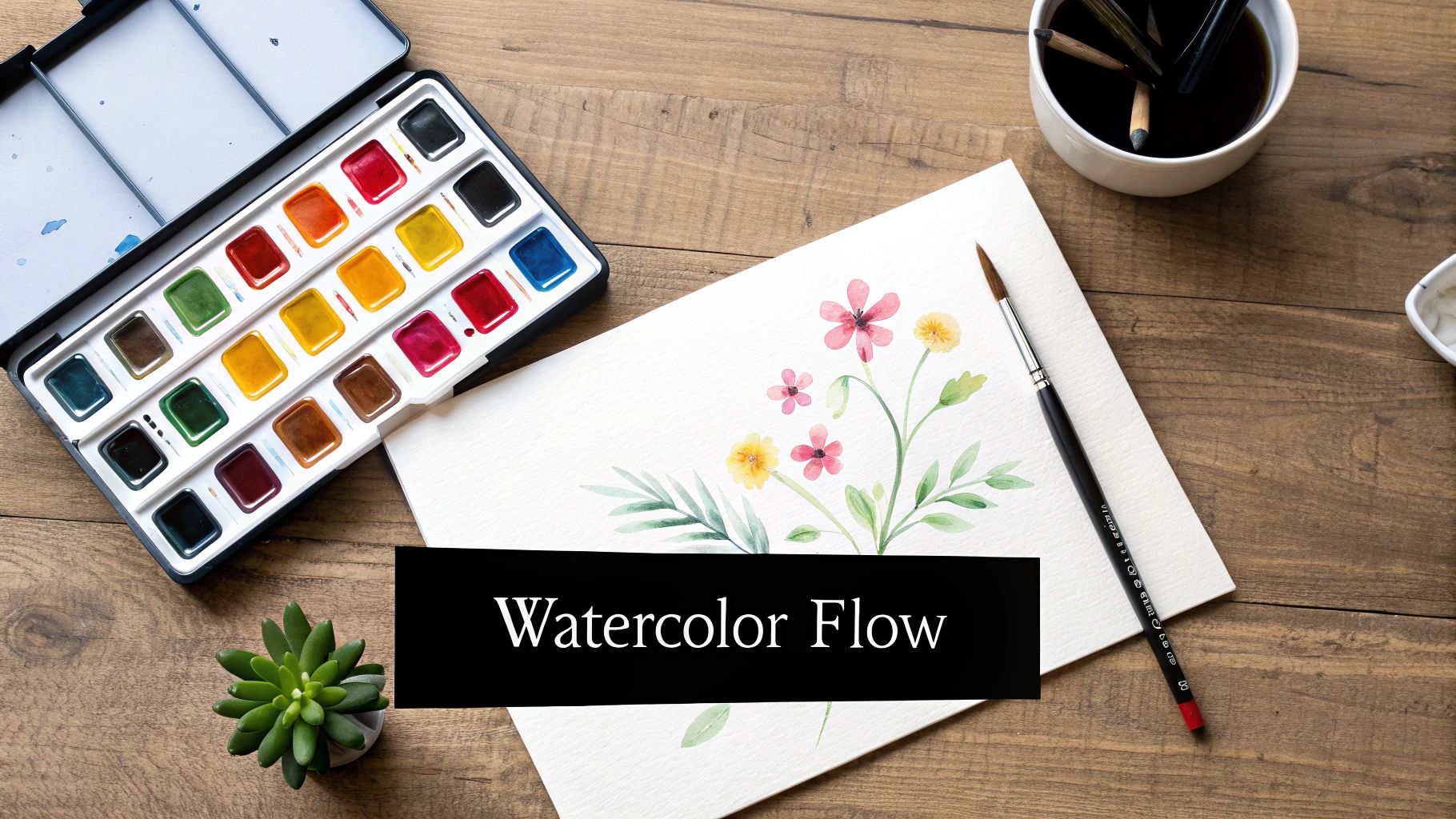
This art activity for dementia patients encourages emotional expression and can tap into long-term memories. Simple subjects like a favorite flower, a sunset, or an abstract blend of colors provide a starting point without being restrictive. The focus is always on the process, not the final product.
Why This Activity Works
The beauty of watercolor painting lies in its simplicity and adaptability. It requires minimal supplies and can be easily adjusted to suit varying motor skills and cognitive levels. Watching the colors bleed and blend on the page can be a calming and meditative experience, helping to reduce anxiety and agitation.
This activity also provides a non-verbal outlet for communication. Participants can express feelings, memories, and ideas through their color choices and brushstrokes, which can be incredibly empowering for those who struggle with verbal communication. It promotes a sense of accomplishment and boosts self-esteem.
How to Get Started
Setting up a successful watercolor session is simple. The key is to create a comfortable, encouraging, and failure-free environment.
- Prepare Your Materials: Use thick watercolor paper that won't tear easily when wet. Provide a few large-handled brushes for a more secure grip and a small set of non-toxic watercolor paints.
- Limit the Palette: Start with just two or three primary colors (red, yellow, blue). This prevents decision fatigue and allows the artist to enjoy discovering how new colors are made through mixing.
- Create a Calm Atmosphere: Play familiar and calming music from the person's younger years. Ensure the space is well-lit and free from distractions.
- Focus on the Process: Offer simple prompts like, "Let's paint the colors of the sky today," or "What does happiness look like?" Emphasize that there is no right or wrong way to paint.
Key Insight: The goal is engagement, not mastery. Celebrate every mark made on the paper as a success. This positive reinforcement makes the activity enjoyable and therapeutic.
For those who might benefit from more structure, guided painting projects can be a great alternative. For more information on structured painting activities, you can find a helpful guide on how to approach paint-by-numbers for seniors on Paint-By-Number.com.
2. Collage Creation with Memory Triggers
Collage-making is a tactile and highly personal art form that involves cutting, arranging, and pasting various materials like magazine clippings, fabric scraps, and photographs onto a surface. This activity is incredibly effective for individuals with dementia because it can be adapted to incorporate materials that trigger positive long-term memories. By using familiar images and textures, it helps stimulate reminiscence and maintain a connection to personal history.
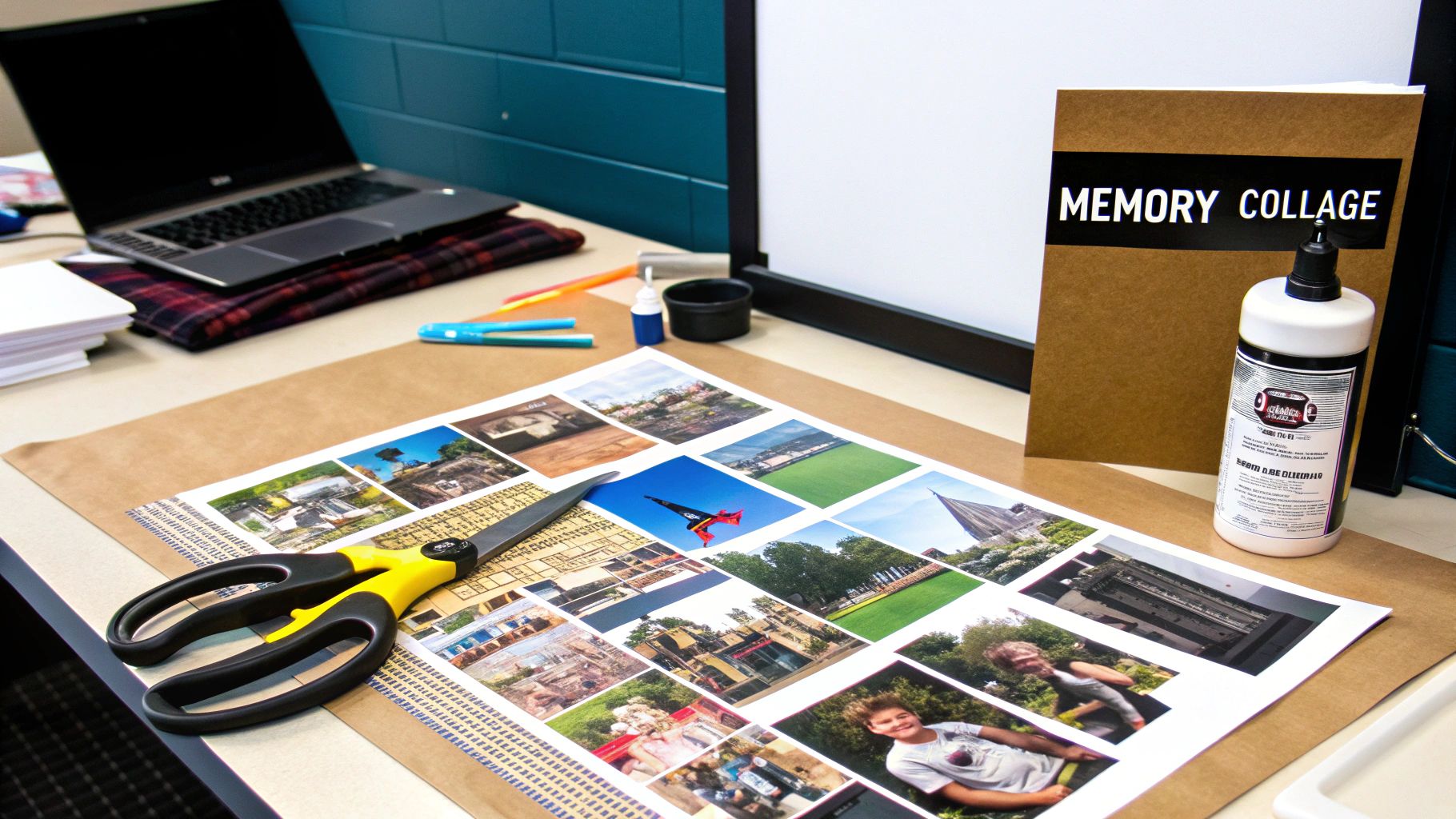
This art activity for dementia patients transforms the creative process into a journey through one's life story. Creating a collage based on family history, a former career, or a favorite holiday can spark conversations and provide a powerful sense of identity. The focus is on storytelling and sensory exploration rather than artistic skill.
Why This Activity Works
Collage creation is powerful because it leverages the principles of reminiscence therapy, a method known to improve mood, well-being, and cognitive function in people with dementia. The act of handling old photographs or pictures of familiar objects can access deeply ingrained memories that verbal prompts may not reach. This sensory engagement is both grounding and comforting.
Furthermore, the activity promotes decision-making and fine motor skills in a low-pressure setting. Choosing where to place an image or a piece of fabric gives the person a sense of control and purpose. It is a wonderful way to facilitate communication, as each piece selected can become a starting point for sharing a story or expressing an emotion.
How to Get Started
Creating a supportive and engaging collage session involves thoughtful preparation and a focus on the individual's life experiences.
- Prepare Your Materials: Gather a safe, non-toxic glue stick, a sturdy poster board or large piece of paper, and a variety of materials. Pre-cut images from magazines, textured fabrics like velvet or corduroy, and copies of personal photographs work well.
- Use Memory-Rich Images: Focus on photos and images from the person’s youth and early adulthood (often ages 15-30), as memories from this "reminiscence bump" are often the most vivid.
- Create a Theme: Center the collage around a specific theme, such as "A Day at the Beach," "My Wedding Day," or "Favorite Hobbies." This provides structure without being restrictive.
- Encourage Conversation: As the person selects items, ask gentle, open-ended questions like, "This picture looks interesting, tell me about it," or "What does this fabric remind you of?"
Key Insight: The collage is more than just a piece of art; it is a conversation starter and a tangible link to a person's identity. The value is found in the memories shared and the connections made during its creation.
This approach is central to person-centered care models like The Eden Alternative, which emphasizes activities that honor an individual's life story. You can learn more about their philosophy and how it empowers individuals in care settings on the official Eden Alternative website.
3. Clay Modeling and Hand-Building
Clay modeling is a tactile and highly sensory art form that involves shaping soft, pliable clay into three-dimensional forms. This activity is particularly beneficial for individuals with dementia because it engages the sense of touch and promotes fine motor skills through movements like pinching, rolling, and smoothing. The focus is on the physical sensation of working with the material, which can be inherently soothing and grounding.
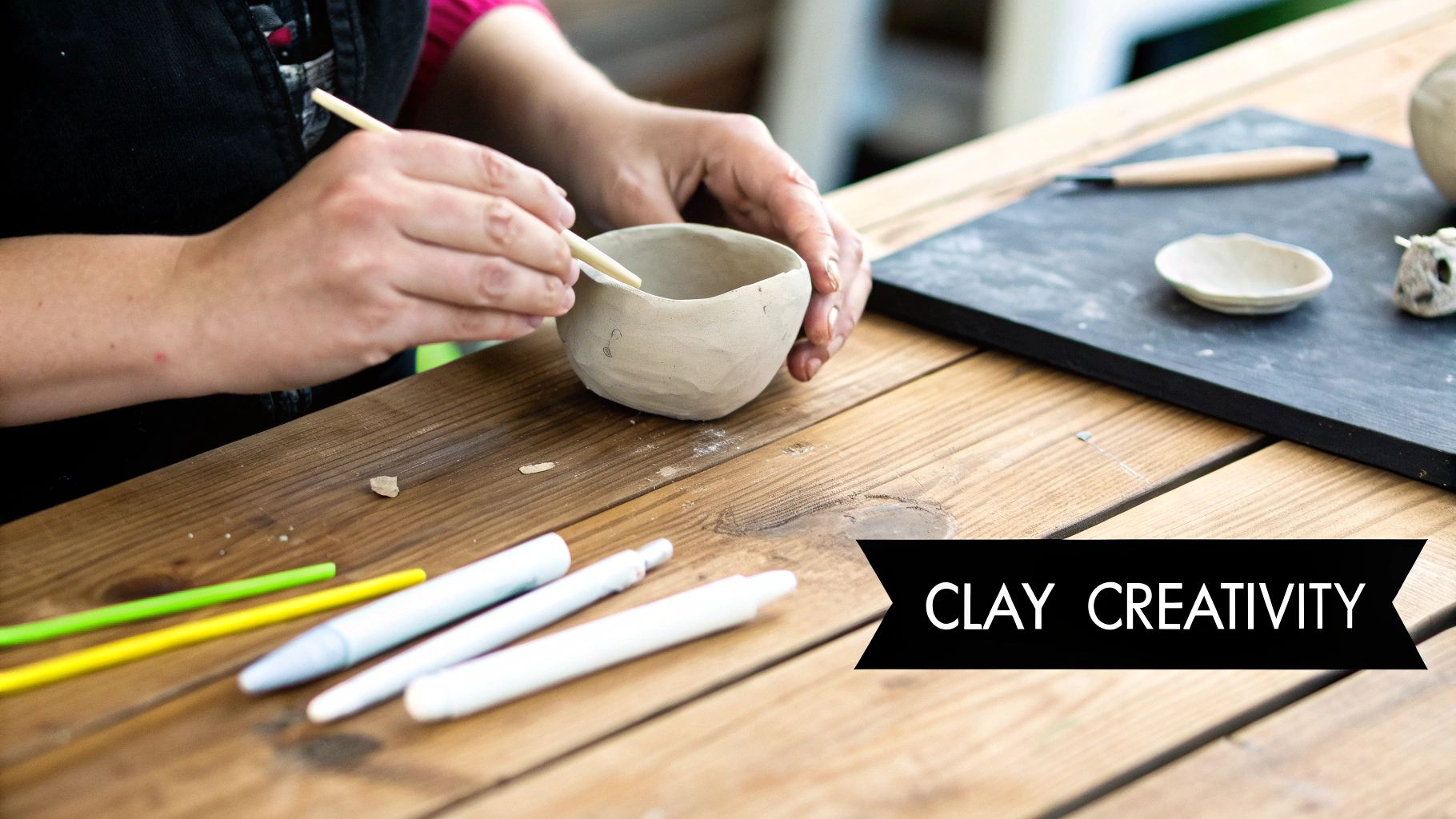
This art activity for dementia patients allows for both abstract expression and the creation of functional items like small bowls or decorative objects. Engaging with clay can tap into deep-seated muscle memories and provide a satisfying, non-verbal outlet for creativity. The repetitive, rhythmic motions involved in hand-building often have a calming effect, reducing stress and anxiety.
Why This Activity Works
The power of clay work lies in its direct, hands-on nature. There are no complex tools or techniques required to start, making it accessible for various physical and cognitive abilities. The cool, malleable texture of the clay provides rich sensory input, which can help redirect restless energy and focus attention in a positive way.
This activity also fosters a profound sense of purpose and accomplishment. Creating a tangible object, no matter how simple, validates a person's ability to make something real and useful. This can significantly boost self-esteem and provide a topic for conversation, connecting them with caregivers and family through their creations. Programs like therapeutic pottery in Israeli Alzheimer's units have demonstrated its success in improving mood and engagement.
How to Get Started
Creating a supportive and mess-friendly environment is key to a successful clay modeling session. The goal is to encourage exploration without pressure.
- Choose the Right Clay: Use soft, non-toxic, air-dry clay to eliminate the need for a kiln. This makes the process simpler and allows creations to be kept and displayed easily.
- Prepare the Workspace: Cover the table with a plastic or vinyl tablecloth for easy cleanup. Provide aprons and have damp cloths ready for wiping hands.
- Offer Simple Guidance: Start with basic techniques like rolling the clay into a ball, making coils (snakes), or pressing it flat. A great starting project is a "pinch pot," made by simply pressing a thumb into a ball of clay and pinching the sides.
- Focus on Sensation: Encourage participants to feel the texture of the clay. Ask questions like, "How does it feel in your hands?" or "What happens when you squeeze it?"
Key Insight: The tactile experience is the core benefit. The process of shaping the clay is more important than the finished product. Celebrate the act of creating itself.
For those interested in how hands-on activities like this support dexterity, you can explore more about fine motor skill development activities on Paint-By-Number.com.
4. Music-Inspired Drawing and Mark-Making
Music-inspired drawing is a multi-sensory activity that pairs the emotional power of familiar music with the freedom of artistic expression. This activity encourages individuals with dementia to translate the feelings, rhythms, and memories evoked by music into lines, shapes, and colors on paper. It is a highly personal and intuitive process, focusing on automatic responses rather than technical skill.
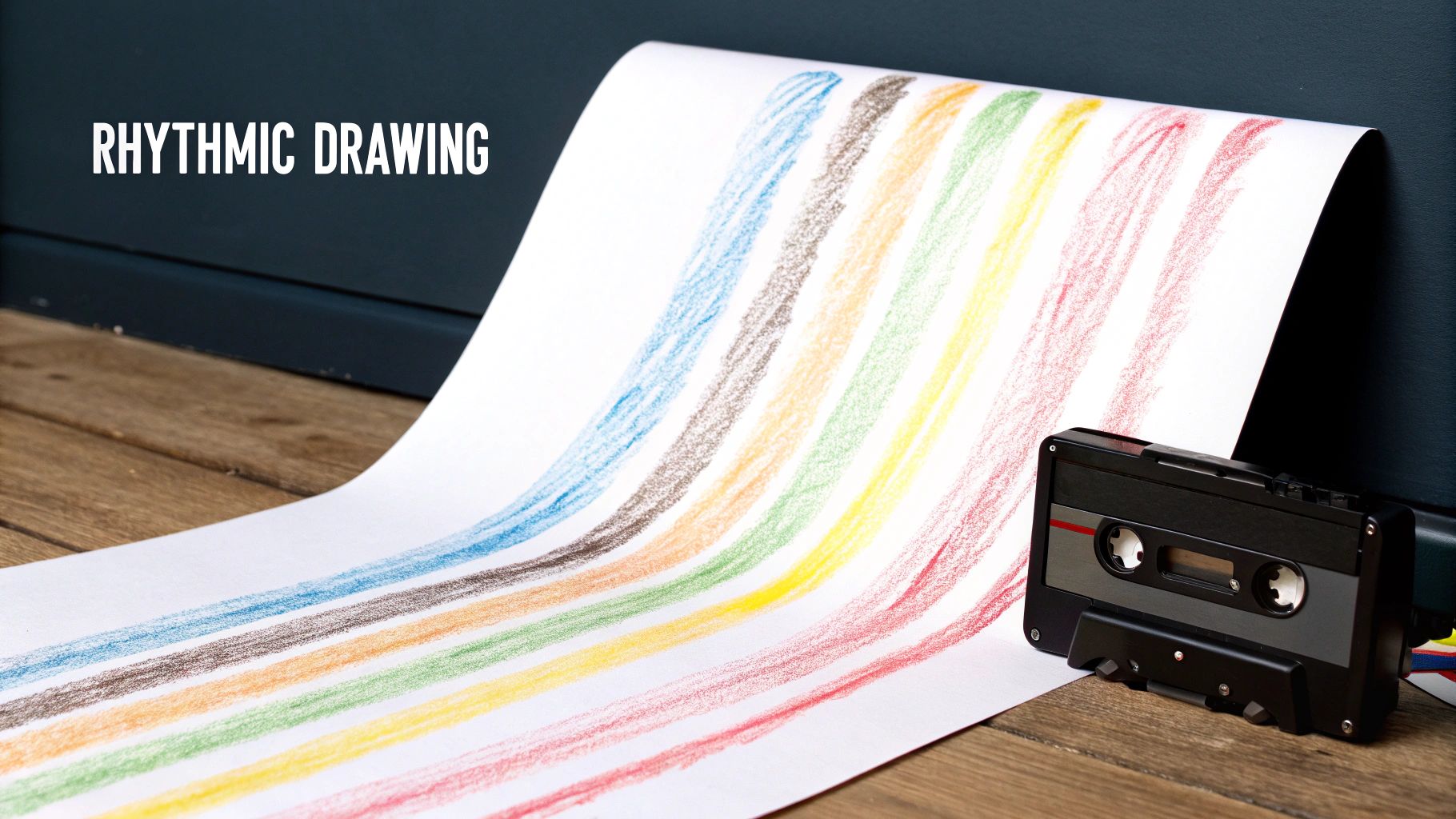
This art activity for dementia patients powerfully connects two of the brain's most resilient pathways: music and art. Listening to songs from their youth can unlock vivid memories and emotions, while drawing provides a non-verbal channel to express them. The result is a deeply engaging experience that stimulates the mind and soothes the spirit.
Why This Activity Works
The connection between music and memory is profound, especially for those with dementia. Familiar melodies can often be accessed when other memories are not, making music a powerful therapeutic tool. When combined with the physical act of drawing, it creates a holistic experience that engages auditory, motor, and emotional centers in the brain.
This activity reduces the pressure to create something specific, as the focus is entirely on responding to the music. The spontaneous movements can be calming, helping to reduce agitation and anxiety. It also promotes hand-eye coordination and fine motor skills in a joyful, stress-free context. For a different perspective on how music can inspire visuals, you can explore how digital tools create art by transforming sound into visual patterns in the fascinating world of audio wave visualizers.
How to Get Started
Creating a supportive environment is key to a successful music-inspired art session. The goal is to facilitate a free-flowing, expressive experience without judgment.
- Curate a Personal Playlist: Research and select music from the person's formative years, typically between the ages of 15 and 25. This era often holds the strongest musical memories.
- Provide Accessible Tools: Use large sheets of paper and chunky, easy-to-grip drawing tools like oil pastels, charcoal sticks, or thick markers. This accommodates potential challenges with dexterity.
- Set the Mood: Play the music at a comfortable volume. Begin with slower-tempo songs to encourage calm, flowing movements before introducing more upbeat tracks if appropriate.
- Encourage Freedom: Suggest they close their eyes at the start to simply listen and feel the rhythm. Prompt them to "draw what the music feels like" and use their whole arm to make big, sweeping marks.
Key Insight: This is not about drawing a picture of something; it is about drawing the sound itself. Celebrate the energy and emotion in every line, whether it's a gentle swirl or a dynamic scribble.
The combination of music and drawing is a powerful form of mindfulness, helping participants stay grounded in the present moment. You can explore other therapeutic art forms by learning more about mindfulness activities for adults on Paint-By-Number.com.
5. Textile Arts and Fiber Activities
Textile arts include a wide range of fiber-based crafts like weaving, braiding, fabric collage, and yarn wrapping. These activities are particularly effective for individuals with dementia because they often engage deeply rooted muscle memory from past hobbies or domestic tasks. The focus is on the rich sensory experience of handling different textures, from soft yarn to smooth fabric, rather than on creating a perfect finished object.
This type of art activity for dementia patients provides calming, repetitive motions that can reduce anxiety and promote a state of mindfulness. Creating something tangible, whether it's a simple braided bracelet or a colorful woven mat, fosters a profound sense of purpose and accomplishment.
Why This Activity Works
The power of textile arts lies in their tactile and rhythmic nature. The repetitive actions of knitting, weaving, or braiding can be incredibly soothing and meditative, helping to focus attention and calm an agitated mind. These activities are highly adaptable to different physical and cognitive abilities, making them inclusive for almost everyone.
Engaging with fibers and fabrics can also trigger positive memories and conversations, especially for those who once enjoyed sewing, knitting, or quilting. It provides a non-verbal way to connect with past identities and skills, strengthening self-esteem. The tangible output gives participants a sense of pride and a beautiful item to keep or share.
How to Get Started
Creating a supportive environment for textile arts is key to a positive experience. The goal is to make the process enjoyable and stress-free.
- Select Appropriate Materials: Use large-eye plastic needles and thick, brightly colored yarn for easy handling and visibility. Offer pre-cut fabric squares for collage or pre-warped small looms for weaving.
- Simplify the Task: Focus on simple, repetitive techniques. Finger knitting, simple braiding, or wrapping yarn around cardboard shapes are excellent starting points that don't require complex skills.
- Create a Comfortable Space: Ensure the area is well-lit and comfortable. Consider providing magnifying glasses for those with vision impairments. Play familiar music or share stories to create a social, relaxed atmosphere.
- Encourage and Adapt: Praise the effort and the process. There is no need for a project to be "finished." The value is in the act of creating.
Key Insight: The tactile stimulation from handling different textures is a core benefit. Offer a "sensory box" with various yarns, fabrics, and ribbons to touch and explore before starting a project.
Many organizations recognize the therapeutic power of fiber arts. The Craft Yarn Council, for example, shares research and projects highlighting the health benefits of knitting and crochet, offering valuable resources for getting started.
6. Nature-Based Art and Botanical Pressing
Nature-based art involves creating artwork using found natural materials like leaves, flowers, twigs, and stones. A specific form of this is botanical pressing, where flowers and leaves are flattened and dried, then used to create delicate, lasting compositions. This activity connects individuals with dementia to the natural world, engaging their senses and grounding them in the present moment through tactile interaction with organic materials.
This art activity for dementia patients can stimulate memories associated with gardening, walking outdoors, or seasons past. The process of arranging natural elements allows for creative expression without the need for traditional art skills like drawing or painting. It celebrates the beauty of nature while producing tangible, beautiful keepsakes.
Why This Activity Works
Connecting with nature has proven therapeutic benefits, including reduced stress and improved mood. For individuals with dementia, touching and smelling flowers, leaves, and other natural items provides powerful sensory stimulation. The activity is highly adaptable; it can be as simple as arranging leaves on a page or as intricate as creating a detailed pressed-flower bookmark.
This process fosters a sense of purpose and connection to the cycle of life and the seasons. It provides a calming focus, improves fine motor skills through the careful handling of delicate materials, and results in a beautiful piece of art that boosts confidence and pride. The act of preserving nature can itself be a meaningful and symbolic experience.
How to Get Started
Creating a successful nature art session involves thoughtful preparation and a focus on sensory engagement. The environment should be calm and encouraging, allowing participants to explore at their own pace.
- Gather Your Materials: Collect a variety of leaves, flowers, and thin twigs during a supervised walk or from a facility garden. For pressing, use a flower press or heavy books for two to four weeks. Prepare some pressed materials in advance for immediate use.
- Provide Simple Tools: Offer cardstock or sturdy paper as a base, non-toxic glue, and tweezers for handling delicate pressed flowers.
- Create a Seasonal Theme: Focus on materials available during the current season, such as autumn leaves in the fall or bright blossoms in the spring, to help orient participants.
- Guide Gently: Encourage participants to feel the textures and notice the colors of the materials. Offer prompts like, "Let's create a picture that reminds us of a sunny day in the garden."
Key Insight: The sensory experience is as important as the final artwork. The scent of a flower or the texture of a leaf can unlock memories and emotions, making the process deeply personal and therapeutic.
To protect the finished creations and turn them into durable keepsakes, consider laminating the artwork. This is a wonderful way to preserve the efforts of these unique art activities for dementia patients. For more ideas on integrating nature into therapeutic activities, the American Horticultural Therapy Association offers valuable resources on their website.
6 Art Activities for Dementia Patients Comparison
| Activity | Implementation Complexity 🔄 | Resource Requirements ⚡ | Expected Outcomes 📊 | Ideal Use Cases 💡 | Key Advantages ⭐ |
|---|---|---|---|---|---|
| Watercolor Painting with Simple Subjects | Low - basic instruction and supervision needed | Basic watercolor set, brushes, paper, water | Cognitive stimulation, emotional release, improved hand-eye coordination | Group sessions, memory care, relaxation | Calming effect, encourages fluid expression, easy cleanup |
| Collage Creation with Memory Triggers | Moderate - requires prep and supervision | Magazines, scissors, glue sticks, photos, fabric scraps | Stimulates long-term memory, storytelling, fine motor skills | Reminiscence therapy, personalized memory projects | Uses familiar images, adaptable to cognitive levels |
| Clay Modeling and Hand-Building | Moderate to High - guidance and cleanup required | Soft or air-dry clay, modeling tools, aprons | Sensory stimulation, muscle strengthening, relaxation | Therapeutic art, muscle memory engagement | Tactile feedback, functional and artistic outputs |
| Music-Inspired Drawing and Mark-Making | Low - minimal technical skill, needs music setup | Drawing paper, crayons/pastels, music player | Emotional connection, rhythmic movement, verbal sharing | Multi-sensory therapy, individual or group use | Combines auditory and visual stimulation, accessible |
| Textile Arts and Fiber Activities | Moderate - may require skill adaptation | Yarn, large needles, looms, fabric scraps, scissors | Fine motor skills, calming repetitive motion, social engagement | Domestic skill recall, group crafting | Connects to lifelong skills, practical and decorative |
| Nature-Based Art and Botanical Pressing | Low to Moderate - depends on material prep | Natural materials, flower presses/books, tweezers | Connection to nature, sensory stimulation, seasonal engagement | Garden therapy, nature-connected activities | Uses natural materials, produces lasting artwork |
Making Every Creative Moment Count
The journey through creative expression for individuals with dementia is not about achieving artistic perfection. Instead, it is about celebrating the process, fostering connection, and unlocking moments of joy and lucidity. The six diverse art activities for dementia patients detailed in this article, from the fluid grace of watercolor painting to the sensory engagement of clay modeling, all share a common, powerful goal: to provide a non-verbal outlet for communication and self-expression.
The true success of any creative endeavor lies in the engagement it sparks. Whether it's the reminiscent power of creating a collage with old family photos or the calming repetition of textile arts, these activities are designed to be accessible and adaptable. They meet the individual where they are, focusing on their remaining abilities rather than their limitations. This person-centered approach is the cornerstone of effective dementia care and creative therapy.
Key Takeaways for Success
Remember these core principles as you introduce art into the routine of someone living with dementia:
- Prioritize the Process, Not the Product: The value is in the doing. The physical act of painting, the tactile sensation of clay, and the cognitive process of arranging collage pieces are where the therapeutic benefits are found. Celebrate effort and participation above all else.
- Adaptation is Everything: Be prepared to modify activities on the fly. This might mean pre-cutting materials, using larger brushes, simplifying a design, or simply offering gentle hand-over-hand guidance. Flexibility ensures the experience remains positive and failure-free.
- Create a Supportive Environment: Choose a well-lit, quiet space free from distractions. Put on some calming music, offer words of encouragement, and focus on creating a relaxed, pressure-free atmosphere where creativity can flourish.
By embracing these simple yet powerful approaches, you transform a basic art session into a meaningful therapeutic experience. You are not just filling time; you are creating opportunities for connection, boosting self-esteem, and providing a vital channel for emotions that may otherwise be difficult to express. Each creative moment, no matter how small, is a victory. It’s a chance to build bridges, share a smile, and affirm the enduring identity of the person behind the diagnosis. The most beautiful masterpiece you can create is a moment of shared happiness.
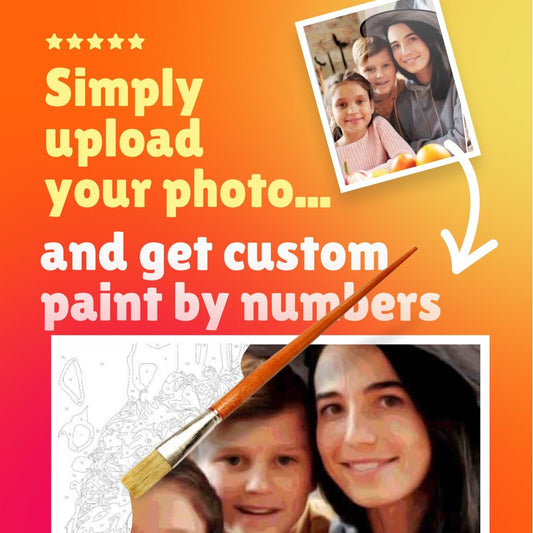
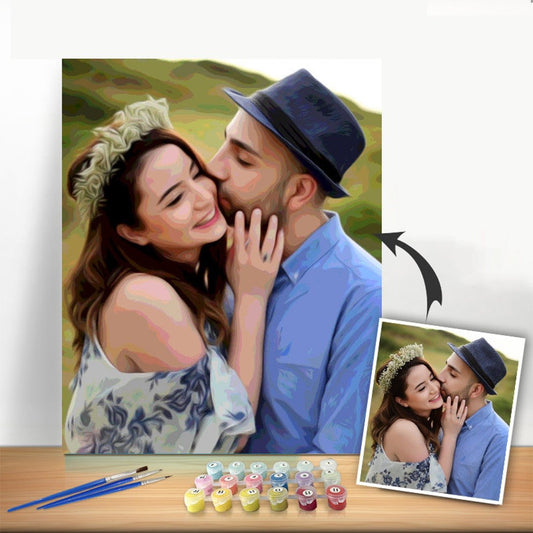
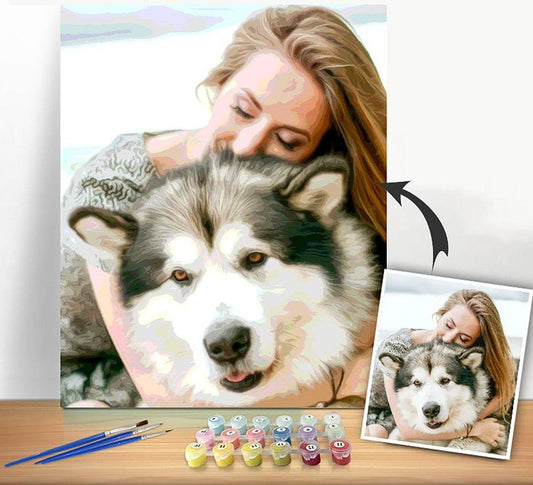
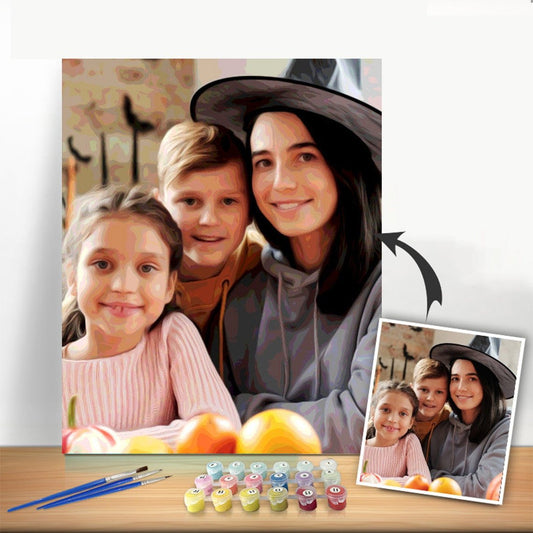
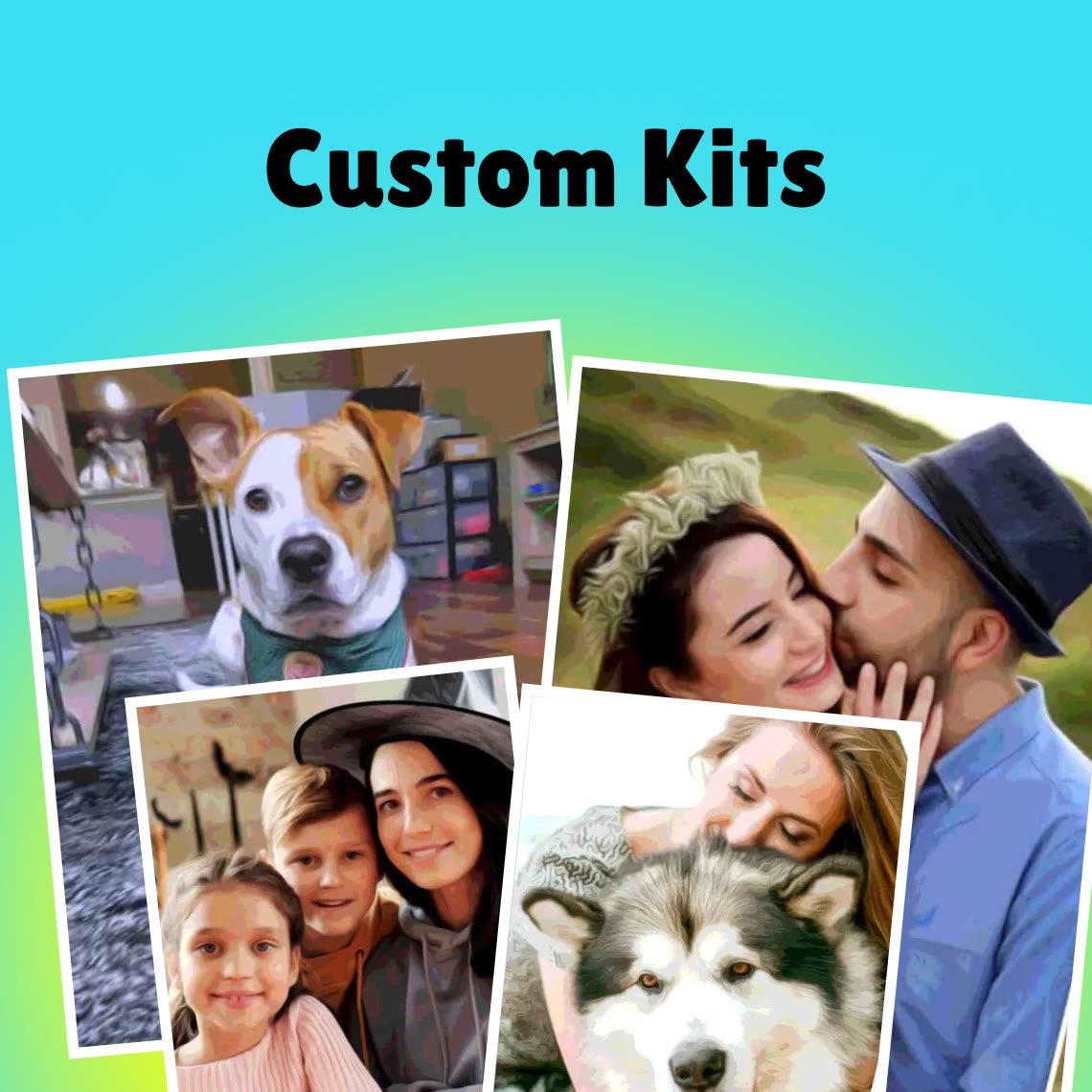
Ready to combine the power of reminiscence therapy with a structured, easy-to-follow art project? A Custom Paint By Numbers kit from Custom Paint By Numbers transforms a cherished personal photograph into an accessible painting activity. It provides the perfect blend of creative engagement and guided support, making it one of the most meaningful art activities for dementia patients. Explore the possibilities and create a unique keepsake at Custom Paint By Numbers today.