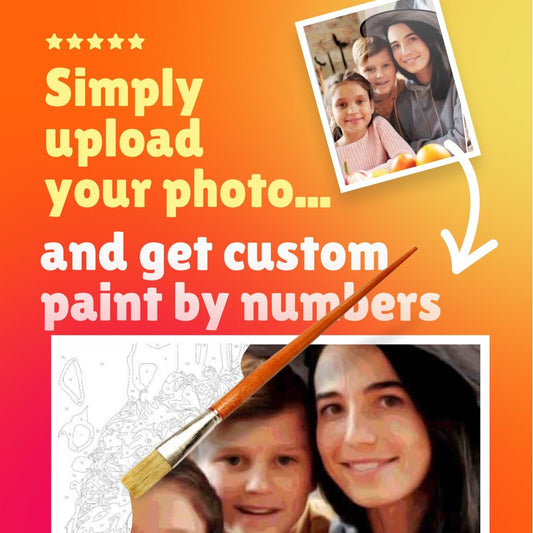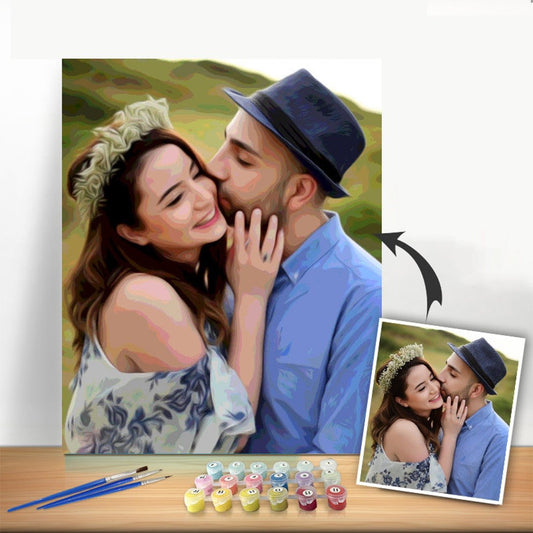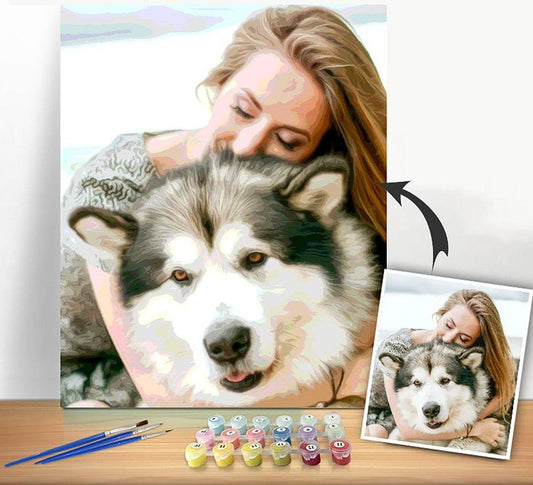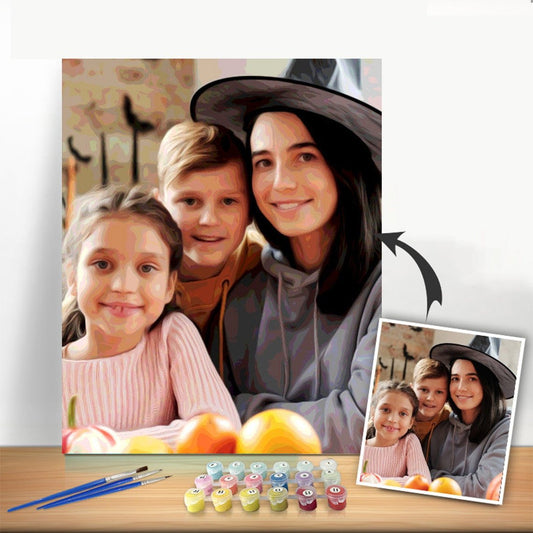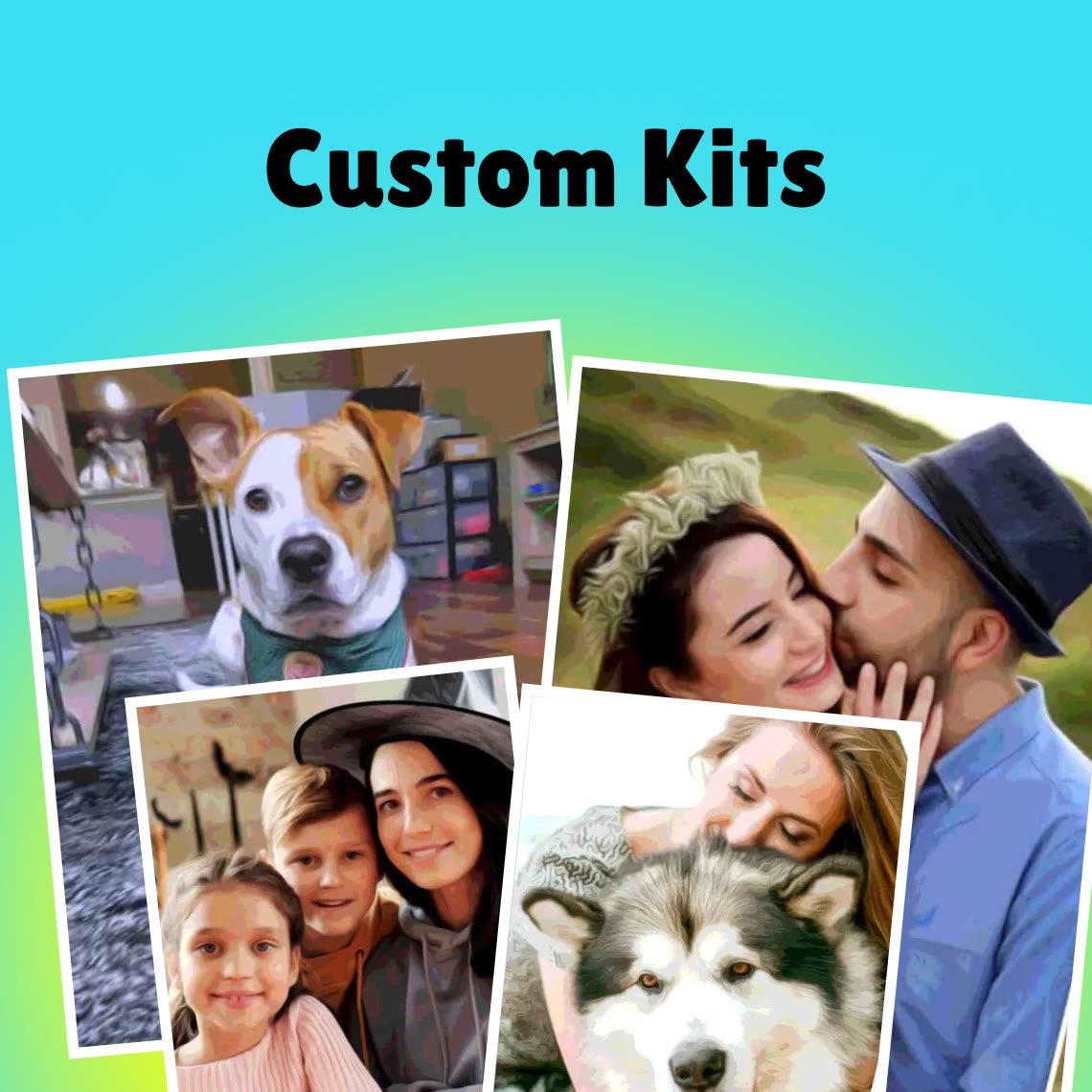

Ever dreamed of creating a beautiful painting of your pet, but felt like you needed a fine arts degree to even start? There's a wonderfully simple and rewarding way to make it happen: a custom paint-by-numbers kit. It's a clever concept that transforms your favorite pet photo into a guided canvas, letting anyone create a personal masterpiece.
From Photo To Masterpiece: An Introduction

The thought of painting a portrait of your best furry friend can be a bit daunting. It feels like a skill reserved for seasoned artists. But personalized art kits have completely changed the game, making it genuinely possible for anyone to produce a stunning pet portrait. This isn't just about dabbing some paint on a canvas; it's a mindful, satisfying process that celebrates that special bond you share.
Think of this guide as your creative co-pilot. I'll walk you through every step, from picking the perfect photo to adding the final brushstrokes. My goal is to give you the confidence to turn that photo into a piece of art you’ll be truly proud to hang on your wall. It's a fantastic way to unwind and create a lasting memory.
Why This Method Works For Everyone
The real genius of a custom paint-by-numbers kit is its brilliant simplicity. It takes the hardest part—translating a detailed photo into a paintable outline with a perfectly matched color palette—and does it all for you. Your job is the fun part: matching the numbered paints to the numbered sections on the canvas.
This structure takes all the pressure off. You don't have to worry about "getting it right" and can just lose yourself in the joy of painting. It’s an ideal project for:
- Total Beginners who feel like they've never held a paintbrush correctly.
- Devoted Pet Lovers searching for a unique way to honor their companions.
- Thoughtful Gift Givers who want to create a present that’s truly from the heart.
- Anyone looking for a relaxing hobby that leaves you with something beautiful to show for it.
Hands-on creative outlets like this are more popular than ever. In fact, the paint segment holds the lion's share of the art materials market, which speaks to the timeless appeal of painting. This trend is fueled by innovative products and online shops that put art within everyone's reach.
The real magic happens when you see your pet’s personality start to emerge with each brushstroke. It’s a connection to your animal and your own creativity, all at once.
And as you get ready to immortalize your best friend on canvas, why not make their favorite nap spot a little more comfortable? Consider some durable pet friendly couch covers to protect your furniture while keeping them cozy.
Choosing The Perfect Photo For Your Portrait

The secret to a fantastic pet portrait doesn't actually come from the paint or the canvas—it all starts with the photo you choose. A great photograph is the perfect blueprint for your painting, making sure all those lovable little details that make your pet yours are captured clearly.
Think of it this way: the more detail the kit’s software can “see” in your photo, the more accurate and nuanced your final paint-by-number canvas will be. A blurry, dark, or poorly composed picture can lead to a painting that feels flat and impersonal. But a sharp, well-lit photo sets you up for a stunning result you’ll be proud to hang on your wall.
Lighting Is Your Best Friend
You absolutely need good lighting. It's non-negotiable for a photo that's going to become a beautiful painting. The gold standard is natural, indirect light, which perfectly illuminates your pet’s features without creating harsh shadows or washing out their colors. An overcast day or a spot near a bright window provides the ideal soft, even light.
Direct, harsh sunlight, on the other hand, can be a real problem. It creates deep, dark shadows that hide important details, like the sparkle in an eye or the texture of their fur. Photos taken with a direct flash are also a no-go, as they can cause “red-eye” and create unnatural highlights that just don't translate well to a painting.
Pro Tip: Get down on your pet's eye level when you take their picture. This perspective creates a much more intimate and engaging portrait, making it feel like you’re right there with them. It’s the best way to capture their true personality.
Focus On Sharpness And Clarity
Next up is focus. To paint your pets accurately, the image you upload has to be crisp and clear. The technology that turns your photo into a numbered canvas relies on distinct lines and color changes to map out the sections you'll be painting.
If the photo is blurry or low-resolution, the software might struggle to tell the edge of an ear from the background, resulting in a muddled and messy final painting. Always use the highest resolution your camera or phone can manage.
Here’s a quick checklist to make sure your photo is sharp enough:
- Zoom in on the eyes: Can you see clear reflections and details? The eyes are everything in a portrait, and they have to be sharp.
- Check the fur texture: You should be able to see individual strands of fur or the pattern of their coat, not just a blurry blob.
- Look for motion blur: Avoid photos where your pet was on the move. That creates a soft, indistinct image that’s tough to convert into a paintable guide.
To make things even easier, I've put together a quick-reference table to help you choose the best possible photo for your custom pet painting kit.
Photo Selection Checklist
| Checklist Item | Why It Matters | What to Look For |
|---|---|---|
| Good Lighting | Prevents harsh shadows and ensures colors are true-to-life. | Natural, indirect light (like from a window or on an overcast day). |
| Sharp Focus | Allows the software to create a clear and detailed painting guide. | Crisp details in the eyes and fur; no motion blur. |
| High Resolution | Provides more data for a more accurate and nuanced final canvas. | The largest file size your camera or phone can produce. |
| Close-Up Shot | Makes your pet the clear star and captures their personality. | Your pet fills most of the frame, but isn't cut off. |
| Engaging Pose | A great expression makes the final painting feel alive. | A photo that shows off their unique character—head tilt, happy pant, etc. |
Keep these points in mind, and you'll be well on your way to selecting a photo that will become a masterpiece.
Simple Edits Make A Big Difference
You don't need to be a photo editing wizard to make your chosen image even better. A few simple tweaks on your smartphone can make a world of difference before you upload it.
First, try cropping the image to really focus on your pet. This gets rid of distracting backgrounds and puts the attention right where it belongs. A good composition often places your pet slightly off-center, but the main goal is just to make them the undeniable star. If you're looking for more ideas on framing and display, you might want to check out how to turn photos into wall art.
Next, a slight boost in brightness or contrast can help details pop, especially if the original lighting was a little dim. Most phone editing apps have simple sliders for this. Just be careful not to overdo it—you’re aiming for a natural look, not a heavily filtered one. These small steps ensure your photo is a clear, beautiful roadmap for your painting adventure.
Ordering And Unboxing Your Custom Kit
Okay, you've got the perfect photo picked out. Now for the really fun part—turning that picture into a physical paint-by-number kit that’s all yours. This is the moment your pet’s photo starts its journey from a digital file to a piece of art you'll create with your own hands.
When you go to order, you’ll have a couple of important choices to make. Don't just click through them! Taking a minute to understand these options is what separates a good result from a truly amazing one. The two big decisions are the number of paint colors and the canvas size. Both will dramatically affect the detail and realism of your final painting.
Choosing Your Paint Count
First up: how many colors do you need? Most places will offer a few tiers, usually 24, 36, or 48 colors. This might seem like a small detail, but for a pet portrait, it’s everything.
A 24-color kit can work for really simple images, maybe a cartoon-style pet with big blocks of color. But let's be honest, for capturing the soul of your furry friend, more is almost always better. You need those subtle shifts in tone to make the fur look real. A higher paint count gives you that nuance.
Think of it like a high-resolution photo versus a low-resolution one. A 48-color palette gives you all the subtle grays, deep browns, and warm tans needed to bring a fluffy Golden Retriever's coat to life. A 24-color set might flatten those details into just a few shades, and you'll lose that beautiful depth.
Selecting The Right Canvas Size
Next, you'll need to pick a canvas size. I always tell people to think about two things here: how much detail is in your photo, and where are you going to hang the finished painting? If you've got a picture with multiple pets, or even one pet with an intricate background, a larger canvas is your best friend.
A bigger canvas means the little numbered sections are larger and easier to paint. It's just a more relaxing and enjoyable process. If you try to cram a super-detailed photo onto a tiny canvas, you'll be squinting at impossibly small spots, which can get frustrating fast.
Here’s a quick rundown I use to help people decide:
- Small (e.g., 8x12 inches): Perfect for a simple, single-pet headshot against a plain background.
- Medium (e.g., 16x20 inches): This is the sweet spot. It’s a great all-rounder for most single-pet photos and gives you enough room to work in the details without feeling cramped.
- Large (e.g., 20x24 inches or bigger): Go big for photos with more than one pet or complex backgrounds. The extra space is essential for capturing all that detail.
This isn't just a niche hobby; the demand for custom art is booming. The global art reproduction market is growing, and a huge part of that is people wanting personalized art made from their own photos. In fact, paintings and drawings are the dominant segment, which you can read more about on Fortune Business Insights. It shows just how much we all love having custom pieces, like pet portraits, in our homes.
What To Expect In Your Kit
After a few days of checking the mailbox, your kit will finally arrive. The unboxing is an experience in itself! When you open it up, you should find everything you need to get started and paint your pets.
Inside, you'll typically find:
- A rolled linen canvas: Your pet’s image will be pre-printed on it as a numbered outline.
- Numbered acrylic paint pots: A full set that corresponds perfectly to the numbers on the canvas.
- A set of brushes: You’ll usually get three different sizes—a wider one for big areas and a couple of smaller ones for getting into those tiny details.
- A reference sheet: This is a paper copy of the numbered canvas. It’s a lifesaver for double-checking a number you might have painted over.
Want a closer look at what comes in the box? We break it all down in our complete guide on custom paint by numbers kits.
Once you've got everything laid out, you're ready to find a comfy spot, set up your new creative space, and finally start painting.
Get Your Painting Space Ready
Your custom kit has arrived! Before you dive in and start dabbing paint on the canvas, let's take a few minutes to set up your space. Trust me, getting organized now makes the whole process more relaxing and fun—and a whole lot less messy.
Creating your own little art corner is easy. The single most important thing is good lighting. Find a spot by a window for some natural light, or grab a desk lamp you can aim right at your canvas. Good light is key to seeing those tiny numbers and making sure the colors look just right.
Unboxing Your Kit
Okay, let's open that box. It’s always a thrill to unroll the canvas for the first time and see your pet’s photo broken down into a numbered map. Inside, you'll also find your paints and brushes.
Take a second to get to know your brushes. Most kits come with a standard trio:
- A broad, flat brush for covering those bigger background areas.
- A medium round brush, which will be your go-to for most of the numbered sections.
- A fine-point detail brush—your secret weapon for tiny spots, sharp edges, and capturing details like whiskers or the glint in your pet's eye.
Knowing what each brush is for helps you work smarter, not harder. It's no surprise that as more people get into creative hobbies at home, the demand for quality supplies has boomed. You can see more on this trend in reports from The Business Research Company.
How to Arrange Your Supplies
Now for the setup. A little prep goes a long way. First, lay down some newspaper or an old sheet to protect your table. Acrylic paint is no fun to clean up once it’s dry.
Next, arrange your stuff so it's all within easy reach. A smooth workflow means more time painting and less time fumbling around for what you need.
Pro Tip: Grab two cups of water. One is for rinsing your brushes when you switch colors. The other is for clean water, which you can use to thin any paint that feels a bit too thick. This little trick keeps your colors from getting muddy.
Finally, keep a paper towel or a rag nearby. After rinsing a brush, just give it a quick dab to get rid of extra water before you dip it into a new color. This stops the paint from getting watery and gives you way more control.
And that's it! With your space all set, you're ready to start painting.
Bringing Your Pet Portrait To Life
Okay, your workspace is ready and your kit is open. This is the moment—where the magic happens. You're about to turn that numbered canvas into a living, breathing portrait of your best friend.
My best advice? Let go of perfection. The real joy is in the process. Just enjoy the simple, mindful act of watching your pet’s face appear, one brushstroke at a time.
We'll walk through some practical painting techniques that I've found work especially well when you want to paint your pets. From getting the fur texture just right to making their eyes sparkle, these are the steps that take you from a blank canvas to a finished masterpiece.
This simple visual guide is a great reminder for setting up your space for a smooth, clean painting session.

When you've got good light, protected surfaces, and organized tools, you can dive into your art without any stress.
Smart Painting Strategies
There’s no single "right" way to tackle a paint-by-number, but a few strategies can make the whole thing go a lot smoother.
A really popular method is to work from the background to the foreground. This usually means painting the larger, simpler areas first. It’s a great way to warm up and get a feel for the paint before you get to the detailed work on your pet’s face.
Another approach I love is painting one color at a time. Just pick a number, find the matching paint pot, and fill in every single section with that number on the canvas. It's surprisingly meditative, and you won't have to clean your brushes as often. Plus, it keeps your colors consistent.
Finally, consider working from the lightest colors to the darkest. This is classic painter's wisdom for a good reason. If you accidentally go over a line with a light yellow, a darker brown will cover it up no problem. Trying to do the reverse is much, much harder.
Creating Realistic Fur Texture
The secret to a pet portrait that feels real is getting the fur right. Whether your dog has a short, sleek coat or your cat has long, fluffy fur, it’s all about layering and direction.
First, just fill in the base colors as they're numbered on the canvas. Let that layer dry completely. Now, the fun begins. Grab your fine-detail brush and start adding thin, quick strokes over the base colors, making sure to follow the direction the fur actually grows.
- For short fur: Think short, quick, slightly curved strokes. Picture the way the fur lies flat on a boxer's snout or a cat's paws.
- For long fur: Use longer, more flowing brushstrokes. You can even overlap some of the colors slightly to create a sense of depth and movement.
This layering is what stops the fur from looking like a flat block of color and gives it that beautiful, realistic dimension.
The Eyes Are The Window To The Soul
If you're going to obsess over one part of the painting, make it the eyes. This is where your pet’s entire personality lives. Getting them right will absolutely make the whole portrait come alive.
Your kit gives you a few different colors just for the eyes—dark tones for the pupil, mid-tones for the iris, and light shades for reflections. Follow the numbers here carefully.
The real game-changer is the catchlight. It's that tiny dot of pure white that shows where light is reflecting off the eye. Once everything else in the eye is totally dry, put the tiniest speck of white paint on the very tip of your detail brush and add a small dot. It’s amazing how this one simple step instantly makes the eyes look wet, vibrant, and full of life.
Using Shading And Blending
Shading is what will make your pet's portrait look three-dimensional instead of flat. Your custom kit is designed to do this for you with its smart color palette. The software has already figured out where to put different shades to create depth—around the ears, under the chin, and along the curves of the body.
Trust the numbers. You might see a color that looks a little odd, like a hint of blue in black fur or a touch of purple in a shadow. It’s there for a reason! These are the kinds of subtle tones that professional artists use to make highlights and shadows look believable.
Want to soften the transition between two colors? You can try a simple blending trick while the paint is still a bit wet.
- Paint two neighboring sections with their assigned colors.
- Quickly rinse and dry your brush.
- While the paint is still wet on the canvas, use the clean, barely damp brush to gently feather the line where the two colors meet.
It might take a little practice, but this technique creates lovely, soft gradients that are perfect for areas like the bridge of a nose. For more in-depth advice on this, our guide to painting animals by numbers has some great tips.
Tips For Beginners And Kids
Painting with kids is a fantastic way to share the experience. For younger children, I've found that focusing on one color at a time is the most engaging way to go. It turns the whole project into a fun number-finding game.
And please, don't worry about staying perfectly in the lines. The goal is to have fun and make a happy memory. A pet portrait painted by a child, with all its unique charm and imperfections, is a treasure. The most important thing is simply to enjoy creating something special that honors a furry family member.
Finishing and Framing Your Artwork
You’ve just painted the last little numbered spot on your canvas. Take a step back and look—your pet's portrait is complete! It’s an amazing feeling, right? But before you hang it up, a few final touches can turn your painting into a truly polished piece of art.
First things first, let's protect all that hard work you just put in. This is where a clear varnish or sealer comes in handy. It’s a simple step, but it’s crucial. A good sealer will shield your acrylic paint from dust and, more importantly, from UV light that can make the colors fade over time. As a bonus, it also deepens the colors and makes every little detail pop.
Protecting Your Pet Portrait
Before you even think about grabbing a varnish, you need to be absolutely sure your painting is 100% dry. I mean, bone dry. Depending on how thick you applied the paint, this could take anywhere from 24 to 72 hours. Patience is key here; sealing a wet painting is a recipe for disaster.
Once you're sure it's ready, the process is pretty straightforward:
- Find a well-ventilated spot—a garage with the door open or a covered patio works great. Lay your canvas flat.
- Grab a clean, wide, soft-bristled brush. You don’t want to leave stray brush hairs sealed into your masterpiece.
- Dip your brush in an acrylic varnish (you can find matte, satin, or gloss finishes) and apply a thin, even coat. Use long, smooth strokes, all going in the same direction.
- Let that first coat dry completely. Then, come back and apply a second coat, this time brushing in the opposite direction (e.g., vertically if you went horizontally first). This little cross-hatch technique ensures you get full, even coverage.
This simple step is what guarantees the art you made to paint your pets will look just as vibrant years from now.
Framing Your Masterpiece
Okay, your painting is sealed and ready. Now for the fun part: framing! This is what really elevates your work from a canvas to a piece of art ready for the wall.
If your kit included a DIY wooden frame, you're going to create what’s called a "gallery wrap." It sounds fancy, but it's just a method for stretching the canvas. Place the canvas face down on a clean surface, center the frame on the back, and start folding the canvas edges over. I like to staple the center of one side, then the center of the opposite side, pulling it taut as I go. Then do the other two sides. Work your way from the center out to the corners, keeping the tension even so the image doesn't warp.
If your kit didn't come with a frame, or you want something different, you’ve got a world of options.
My Two Cents: When picking a frame, think about both the painting and the room it's going in. A simple black or white frame almost always looks good and really lets your pet's portrait be the star. For a cozier vibe, a rustic wooden frame can be perfect. If you're unsure, just take your painting to a local framing shop and hold it up against different styles.
And that's it! You've created something truly special. A custom pet portrait is more than just decor; it’s a piece of your heart on the wall. It also happens to be one of the most thoughtful gifts you can give for a birthday, a holiday, or as a beautiful memorial for a beloved companion.
Have a Question About Your Pet Painting Kit?
It's totally normal to have a few questions before you dive into painting your pet's portrait. I've heard them all over the years! People often worry about everything from getting the fur just right to what happens if you make a little mistake. Let's tackle some of the most common ones.
Will My Dark-Furred Pet Just Look Like a Black Blob?
This is probably the #1 concern I hear, especially from owners of black labs, fluffy void cats, or dark brown pups. And the answer is a definite no!
The technology these custom kit companies use is pretty amazing. It doesn't just see "black" or "brown." It analyzes the photo and breaks down that dark fur into dozens of subtle shades. You won't get a single pot of black paint; you'll get a whole range of deep grays, rich coffee browns, and even some dark blues to capture all those highlights and shadows. This is what gives the final painting real depth and texture, not a flat silhouette.
Can I Paint More Than One Pet on the Same Canvas?
Absolutely! Getting a portrait of your whole furry family is a great idea. The trick is to start with the right photo—one where they're snuggled up close and both (or all) of them are in clear focus.
Here's a pro tip from experience: If you're painting multiple pets, always spring for a larger canvas. More faces mean more tiny details to paint. A bigger canvas gives you the room you need to bring out each pet's unique personality without everything looking squished.
What If I Accidentally Paint a Number With the Wrong Color?
First off, don't sweat it. This happens to everyone, from first-timers to seasoned painters. The good news is that the acrylic paint in these kits is very forgiving, making fixes a breeze.
Here’s the simple rescue plan:
- Let the mistake dry completely. Whatever you do, don't try to wipe it while it's wet! That just creates a muddy smear.
- Just paint over it. Once it's dry to the touch, grab the correct color and paint right over the mistake.
- Apply a second coat if needed. Sometimes, a dark color might peek through a lighter one. A quick, second thin coat will cover it up for good.
It's this easy-to-correct nature that makes the whole process so relaxing and fun, even if you’ve never picked up a paintbrush before.
Ready to see your best friend's photo become a work of art? We make it simple to get started on your own personalized masterpiece. Begin your creative journey at Custom Paint By Numbers today.