
In a world that moves at a relentless pace, taking intentional steps to nurture our mental well-being is no longer a luxury, it's essential. The journey to a balanced mind isn't about finding a single magic solution but about building a toolkit of practices that resonate with you personally. This guide explores a curated list of diverse therapeutic activities for mental health, moving beyond generic advice to offer practical, actionable strategies you can implement right away.
We'll delve into everything from the structured focus of Cognitive Behavioral Therapy techniques to the creative release of Art Therapy and the grounding presence of Nature Therapy. Each approach offers a unique pathway to process emotions, reduce stress, and cultivate resilience. Our goal is to provide a clear, straightforward resource that helps you discover activities that genuinely support your mental health journey.
Whether you're a creative hobbyist looking for a mindful project, someone seeking a physical release, or simply curious about new ways to manage daily pressures, this roundup is designed for you. Forget abstract concepts; this article provides concrete steps for integrating these powerful practices into your routine. Let’s explore the options that can help you find balance and well-being.
1. Cognitive Behavioral Therapy (CBT)
Cognitive Behavioral Therapy, or CBT, is a highly effective, evidence-based psychotherapy. It operates on a simple yet profound principle: your thoughts, feelings, and behaviors are interconnected. By identifying and challenging negative thought patterns, you can change your corresponding feelings and actions, making it one of the most structured therapeutic activities for mental health available today.
This approach is not about vague discussions; it's a collaborative, goal-oriented process. A therapist helps you develop practical skills to manage specific problems, such as anxiety, depression, or PTSD.

Why It Works
CBT empowers you by providing tools to become your own therapist. Its success is well-documented in major healthcare systems, like the UK's NHS IAPT program and the U.S. Department of Veterans Affairs, which uses CBT to treat veterans. The focus is on present-day challenges rather than past events, offering concrete strategies for immediate relief and long-term resilience.
How to Get Started
Integrating CBT into your life involves active participation. Here are a few actionable steps you can take:
- Keep a Thought Record: Use a simple notebook or an app to log situations that trigger negative emotions. Write down the automatic thought, the feeling it caused, and then challenge that thought with a more balanced perspective.
- Set SMART Goals: Work with a therapist to define goals that are Specific, Measurable, Achievable, Relevant, and Time-bound. For example, instead of "be less anxious," a goal could be "attend one social event for 30 minutes this week without leaving early."
- Use Digital Support: Supplement your sessions with CBT-based apps. Tools like MindShift CBT and Sanvello offer daily exercises, mood tracking, and guided techniques to reinforce what you learn in therapy.
2. Mindfulness Meditation
Mindfulness Meditation is the practice of focusing your awareness on the present moment. It involves observing your thoughts, feelings, and physical sensations without judgment. Rooted in ancient traditions, this practice has been widely adapted as a powerful therapeutic tool for reducing stress and improving mental clarity.
The core principle is simple: by training your attention, you can learn to respond to situations with thoughtful awareness rather than reacting automatically. It's a foundational skill for managing anxiety and depression, helping you detach from overwhelming emotions and find a sense of inner calm.
Why It Works
Mindfulness is effective because it physically changes the brain. Research shows it can reduce activity in the amygdala, the brain's "fight or flight" center, while strengthening connections in the prefrontal cortex, which is associated with focus and decision-making. Its success is demonstrated in programs like Mindfulness-Based Stress Reduction (MBSR), used in hospitals worldwide, and wellness initiatives at major companies like Google and Nike.
How to Get Started
Integrating mindfulness into your routine is about consistency, not perfection. Here are a few practical ways to begin this therapeutic activity:
- Start Small: Dedicate just five to ten minutes each day. Sit in a quiet space, close your eyes, and focus on the sensation of your breath. When your mind wanders, gently guide it back.
- Use Guided Apps: Beginners can benefit greatly from structured guidance. Apps like Headspace, Calm, or Waking Up offer short, guided meditations that make the process accessible and easy to follow.
- Create a Routine: Practice at the same time each day, like first thing in the morning or before bed, to build a consistent habit. Consistency is more important than duration when starting out. You can explore a variety of mindfulness activities for adults on paint-by-number.com to find what works for you.
3. Art Therapy
Art Therapy is a mental health profession that uses the creative process of making art to improve physical, mental, and emotional well-being. It integrates psychotherapeutic techniques with artistic expression, helping individuals explore emotions, develop self-awareness, and cope with stress when words are not enough. This process is about self-discovery, not artistic skill.
This approach allows for non-verbal communication and can unlock feelings that are difficult to articulate. Guided by a professional art therapist, you can use various mediums to process experiences like trauma, grief, or anxiety in a safe and supportive environment.

Why It Works
Art therapy provides a tangible way to externalize complex thoughts and emotions. Its effectiveness is seen in diverse settings, from Walter Reed Army Medical Center helping wounded veterans to pediatric hospitals using art to ease children's fears. Even Alzheimer's associations have found success using art to support memory care, showcasing its power as one of the most versatile therapeutic activities for mental health. Explore how you can use art activities for seniors with dementia and similar creative outlets.
How to Get Started
You don't need to be an artist to benefit from art therapy. The focus is on the journey, not the final product.
- Focus on the Process: Let go of the need to create a masterpiece. Simply enjoy the feeling of a paintbrush on canvas or clay in your hands.
- Represent Emotions Visually: When words fail, use colors, shapes, and lines to express how you feel. A chaotic scribble can be just as meaningful as a detailed drawing.
- Experiment with Materials: Try different mediums to see what resonates with you. Pastels, watercolors, collage, and sculpture all offer unique sensory experiences and expressive possibilities.
4. Music Therapy
Music Therapy is the clinical and evidence-based use of musical interventions to accomplish individualized goals within a therapeutic relationship. This approach uses the unique power of music to address physical, emotional, cognitive, and social needs, making it a profoundly versatile therapeutic activity for mental health.
Led by a credentialed professional, music therapy is more than just listening to a favorite song. It involves creating, singing, moving to, listening to, and discussing music to help clients achieve specific outcomes, from reducing anxiety to improving communication skills.
Why It Works
Music therapy is effective because it engages multiple areas of the brain simultaneously. This engagement can help manage stress, alleviate pain, express feelings, and improve memory. The work of pioneers like Paul Nordoff and Clive Robbins, along with programs like Guitars for Vets, demonstrates its powerful impact on diverse populations, including those with trauma, autism, or neurological conditions.
How to Get Started
You can incorporate the principles of music therapy into your daily routine to support your well-being. Here are a few practical ways to begin:
- Create Mood-Based Playlists: Curate specific playlists designed to evoke certain feelings. For example, build an "uplifting" playlist for motivation, a "calm" playlist for anxiety relief, or a "focus" playlist for work.
- Try Rhythmic Breathing: Pair your breathwork with music. Find a song with a slow, steady beat and synchronize your inhales and exhales with the rhythm to promote relaxation and mindfulness.
- Explore Soundscape Apps: Use apps like Endel or Bloom that generate personalized soundscapes. These tools use algorithms to create audio environments tailored to help you focus, relax, or sleep.
5. Exercise and Physical Activity Therapy
Exercise and Physical Activity Therapy involves the systematic use of movement as a powerful intervention to improve mental well-being. It’s grounded in the direct connection between physical health and mental resilience, leveraging the brain’s response to exercise. Moving your body releases endorphins, reduces stress hormones like cortisol, and improves sleep, making it one of the most accessible therapeutic activities for mental health.
This approach is about more than just fitness; it’s a deliberate strategy to manage symptoms of anxiety and depression. It provides a structured, positive outlet that enhances self-esteem and creates a sense of accomplishment.
Why It Works
The effectiveness of physical activity is supported by extensive neurobiological evidence, detailed in books like John Ratey's Spark. Global initiatives like the Couch to 5K program and community parkrun events demonstrate its success in making exercise a sustainable habit. It works by changing brain chemistry and structure, offering both immediate mood boosts and long-term improvements in cognitive function.
How to Get Started
Integrating movement into your routine doesn't require a gym membership or intense workouts. The key is consistency and enjoyment.
- Start Small and Build Up: Begin with just 10-15 minutes of activity, like a brisk walk, three times a week. Gradually increase the duration as you feel more comfortable.
- Find an Activity You Enjoy: Adherence is crucial. If you hate running, don't force it. Try dancing, hiking, swimming, or team sports to find what motivates you.
- Create Accountability: Find an exercise buddy or join a group to provide social support and motivation. Tracking your progress with a fitness app can also help you stay on course.
6. Journaling and Expressive Writing
Journaling and expressive writing are powerful therapeutic activities for mental health that involve translating your thoughts and feelings onto paper. This practice operates on the principle that externalizing internal experiences helps you process emotions, reduce stress, and gain clarity. It’s a private, accessible tool for self-reflection and emotional regulation.
This technique is not just about chronicling daily events; it's a deliberate act of self-exploration. By consistently engaging with your inner world through writing, you can identify recurring patterns in your thoughts and behaviors, leading to greater self-awareness and personal growth. It provides a safe space to confront difficult feelings without judgment.
Why It Works
The effectiveness of expressive writing is supported by research from figures like James Pennebaker, who demonstrated that writing about emotional upheavals can improve physical and psychological health. The act of structuring thoughts into a narrative helps the brain manage overwhelming emotions. It's a method used in various therapeutic settings, from mindfulness practices like Julia Cameron's "Morning Pages" to structured programs in treatment centers.
How to Get Started
Integrating journaling into your routine is simple and requires only a few minutes a day. Here are some actionable steps to begin:
- Try Timed Writing: Set a timer for 15-20 minutes and write continuously without stopping to edit or self-censor. Don't worry about grammar or spelling; just let your thoughts flow freely onto the page.
- Use Guided Prompts: If you’re unsure where to start, use a prompt to guide your thoughts. Simple phrases like "Today I feel..." or "I am grateful for..." can kickstart your writing session and provide focus.
- Establish a Routine: Choose a consistent time each day to write, such as first thing in the morning or just before bed. To deepen the mindful engagement in your writing practice, you might explore the intentional experience of writing, as discussed in this Modern Guide to Writing with a Fountain Pen.
7. Nature Therapy (Ecotherapy)
Nature Therapy, often called ecotherapy or green therapy, is a practice that leverages the healing power of the natural world to improve mental well-being. It operates on the principle that humans have an innate connection to nature, and that intentional engagement with natural environments can reduce stress, anxiety, and depression. This approach turns outdoor experiences into structured therapeutic activities for mental health.
This isn't just about taking a random walk; it’s a purposeful practice. It can range from structured wilderness therapy programs to simply spending mindful time in a local park, using all your senses to connect with your surroundings.

Why It Works
Ecotherapy is effective because it removes you from overstimulating urban environments and immerses you in a setting that naturally lowers cortisol levels and blood pressure. The concept is supported by practices like Japanese forest bathing (shinrin-yoku) and the UK’s "green social prescribing" programs, which demonstrate measurable improvements in mood and cognitive function. It provides a simple, accessible way to disconnect from digital stressors and reconnect with the physical world.
How to Get Started
Integrating Nature Therapy into your routine is straightforward and adaptable. Here are a few actionable steps you can take:
- Schedule "Green Time": Aim to spend at least two hours per week in a natural setting. This could be a forest, a beach, or even a city park. Treat it like any other important appointment.
- Practice Mindful Walking: When you're in nature, focus on your senses. Notice the feeling of the breeze, the sounds of birds, the scent of the trees, and the textures under your feet. This grounds you in the present moment.
- Bring Nature Indoors: If getting outside is difficult, start a small indoor garden with houseplants or herbs. Caring for plants can be a meditative and rewarding activity that still connects you to the natural world.
8. Group Therapy
Group Therapy is a powerful form of psychotherapy where one or more therapists facilitate sessions with several people simultaneously. It harnesses the unique dynamic of shared experience, allowing members to give and receive support, develop new social skills, and learn that they are not alone in their struggles. This collective approach makes it a uniquely effective and often more affordable therapeutic activity for mental health.
Led by a trained professional, these sessions provide a safe and confidential space. Participants address specific issues like addiction, grief, or social anxiety, gaining insights from both the therapist and their peers. It's a living laboratory for exploring interpersonal relationships and practicing healthier behaviors.
Why It Works
The magic of group therapy lies in what psychiatrist Irvin Yalom called "universality," the relief that comes from realizing others share your problems. It provides a supportive network, reduces isolation, and offers diverse perspectives. Renowned examples like Alcoholics Anonymous and NAMI (National Alliance on Mental Illness) support groups demonstrate its profound impact on fostering community and lasting change.
How to Get Started
Engaging in group therapy requires commitment and an open mind. Here are some practical steps to make the most of the experience:
- Find the Right Fit: Research groups that address your specific needs. Look for options like Dialectical Behavior Therapy (DBT) skills groups for emotional regulation or grief support groups offered by local community centers.
- Embrace Participation: Be open to both sharing your experiences and listening to others. Active participation, even when it feels challenging, is key to building trust and gaining valuable feedback from the group.
- Respect the Guidelines: Every group has rules, especially regarding confidentiality. Upholding these boundaries is crucial for creating a safe environment where everyone feels comfortable being vulnerable and honest.
9. Breathwork and Breathing Techniques
Breathwork involves conscious, controlled breathing patterns designed to improve mental, emotional, and physical well-being. This practice is founded on a simple biological reality: your breath directly influences your nervous system. By intentionally changing the rhythm and depth of your breathing, you can shift from a state of stress to one of calm, making it one of the most accessible therapeutic activities for mental health.
This is more than just taking a deep breath; it's a collection of specific techniques that can reduce anxiety, enhance focus, and even facilitate emotional release. From simple exercises to structured modalities, breathwork offers a direct line of communication to your body's stress-response system.

Why It Works
Breathwork is a powerful tool for regulating the autonomic nervous system. Slow, deep breathing activates the parasympathetic nervous system, also known as the "rest and digest" state, which lowers heart rate and blood pressure. Its effectiveness is recognized in high-stress environments, from Navy SEAL tactical breathing programs to hospital ICUs where it's taught for pain management. Methods popularized by figures like Wim Hof and Dr. Andrew Weil have brought these ancient practices into modern wellness routines.
How to Get Started
Integrating breathwork into your daily life is simple and requires no special equipment. Here are a few ways to begin:
- Practice 4-7-8 Breathing: Inhale through your nose for a count of 4, hold your breath for a count of 7, and exhale completely through your mouth for a count of 8. Repeat this cycle 3-5 times.
- Focus on the Exhale: To activate your relaxation response, make your exhale longer than your inhale. For instance, breathe in for four seconds and breathe out for six seconds.
- Use Guided Apps: Leverage technology for support. Apps like Calm, Breathe2Relax (developed by the DoD), or Insight Timer offer guided breathing exercises to help you build a consistent practice.
10. Pet Therapy (Animal-Assisted Therapy)
Pet therapy, also known as Animal-Assisted Therapy (AAT), is a guided therapeutic intervention that incorporates animals into a treatment plan. It leverages the powerful human-animal bond to improve social, emotional, and cognitive functioning. This approach goes beyond simple companionship, using interactions with animals like dogs, horses, or cats in a structured way to achieve specific therapeutic goals.
This practice is recognized for its ability to reduce anxiety, lower blood pressure, and provide a unique sense of non-judgmental comfort. From therapy dogs visiting hospitals to equine programs for veterans with PTSD, it's one of the most heartwarming therapeutic activities for mental health.
Why It Works
The presence of a gentle animal can create an immediate sense of calm and safety, making it easier to engage in therapeutic work. Pioneered by child psychologist Boris Levinson, this method is effective because animals offer unconditional affection, which helps build trust and rapport. This can be especially powerful for individuals who have difficulty opening up in traditional therapy sessions, providing a bridge for communication and emotional expression.
How to Get Started
Engaging in pet therapy requires finding a reputable program and ensuring it's a good fit. Here are a few ways to begin:
- Find Certified Programs: Look for local organizations that offer animal-assisted therapy. Groups like Therapy Dogs International or PATH International (for equine therapy) have directories and standards to ensure animals are properly trained and certified.
- Start with Short Sessions: If you're new to interacting with therapy animals, begin with brief, supervised sessions. This allows you to gauge your comfort level and build a connection without feeling overwhelmed.
- Combine with Other Therapies: Use pet therapy to complement other mental health practices. For instance, discussing your feelings with a therapist after an equine session can help you process the experience and gain deeper insights.
Therapeutic Activities Comparison Matrix
| Therapy Method | Implementation Complexity 🔄 | Resource Requirements 🔄 | Expected Outcomes ⭐📊 | Ideal Use Cases 💡 | Key Advantages ⭐⚡ |
|---|---|---|---|---|---|
| Cognitive Behavioral Therapy (CBT) | Moderate: structured sessions & homework | Requires trained therapist, time commitment | High effectiveness for anxiety, depression, PTSD | Present-focused mental health issues | Evidence-based, teaches coping skills, cost-effective |
| Mindfulness Meditation | Low to moderate: daily practice | Minimal; guided apps or groups helpful | Gradual improvement in stress, emotional regulation | Stress, anxiety, self-awareness | Accessible, no side effects, enhances focus |
| Art Therapy | Moderate: requires therapist and materials | Art supplies, trained art therapist | Emotional expression, trauma processing | Non-verbal clients, trauma survivors | Builds self-esteem, creative emotional outlet |
| Music Therapy | Moderate to high: certified therapist needed | Instruments, music therapist | Emotional regulation, cognitive & social benefits | Autism, dementia, PTSD, depression | Activates multiple brain regions, culturally adaptable |
| Exercise and Physical Activity Therapy | Low to moderate: varied activities | Access to space/equipment, motivation | Improved mood, sleep, self-esteem | Depression, anxiety, general health | Natural antidepressant, social opportunities |
| Journaling and Expressive Writing | Low: self-guided or with prompts | Minimal; writing tools or apps | Emotional processing, self-awareness | Anyone with literacy; emotional clarity | Inexpensive, accessible anywhere |
| Nature Therapy (Ecotherapy) | Moderate: outdoor activities, weather-dependent | Access to nature, possible guides | Stress reduction, cognitive improvements | Stress, attention issues, environmental connection | Combines physical & mental health benefits |
| Group Therapy | Moderate: multiple participants, facilitation | Trained facilitators, group setting | Social skills, peer support, cost-effective | Various mental health issues, interest in peer support | Reduces isolation, multiple perspectives |
| Breathwork and Breathing Techniques | Low to moderate: learning specific techniques | None to minimal; apps helpful | Immediate anxiety relief, nervous system regulation | Anxiety, stress management | Portable, no cost, fast effects |
| Pet Therapy (Animal-Assisted Therapy) | Moderate to high: certified animals/handlers required | Therapy animals, trained professionals | Anxiety reduction, emotional support | Autism, PTSD, depression, social issues | Increases oxytocin, motivates engagement |
Crafting Your Personal Mental Health Toolkit
As we've explored, the path to better mental health is not a one-size-fits-all prescription. Instead, it's a deeply personal journey of discovery, experimentation, and self-compassion. The ten therapeutic activities for mental health detailed in this guide, from the cognitive reframing of CBT to the grounding presence of pet therapy, represent a diverse palette of tools available to you. Each offers a unique way to process emotions, reduce stress, and foster a deeper connection with yourself.
The most powerful takeaway is the principle of personalization. There is no single "best" activity; there is only what works best for you, right now. Your needs may change from day to day, and your mental health toolkit should be flexible enough to adapt. One day, the structured focus of art therapy might provide the perfect escape, while on another, a vigorous run might be exactly what you need to clear your head.
Your Actionable Next Steps
Building a sustainable routine is about starting small and being intentional. Rather than trying to implement everything at once, choose one or two activities that genuinely resonate with you.
- Select Your Starting Point: Does the idea of expressive writing feel liberating? Or does the thought of a mindful walk in nature sound more appealing? Pick one that sparks curiosity, not a sense of obligation.
- Schedule It In: Treat this time as a non-negotiable appointment with yourself. Block out 15-20 minutes in your calendar to dedicate to your chosen activity, just as you would for any other important commitment.
- Create a Supportive Environment: Your physical space significantly impacts your mental state. A cluttered, chaotic room can contribute to feelings of stress, while a calm, organized one can promote relaxation and focus. Creating a supportive and calming physical environment is also vital for mental well-being, influencing your mood and ability to relax. Consider exploring these cozy home decor ideas to help transform your space into a sanctuary.
By consistently engaging with these practices, you are not just managing symptoms; you are actively building resilience. You are learning the language of your own mind and body, equipping yourself with the skills to navigate life's inevitable challenges with greater awareness and strength. These therapeutic activities for mental health are more than just coping mechanisms; they are gateways to a more mindful, fulfilling, and balanced life. The first step, and the most important one, is simply choosing to begin.
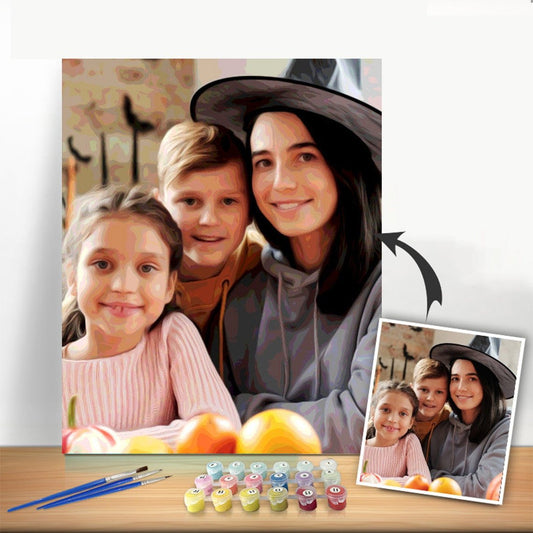
Ready to experience the calming benefits of art therapy firsthand? Transform a cherished photo into a mindful masterpiece with Custom Paint By Numbers. Create a unique piece of art that not only reduces stress but also immortalizes a precious memory. Start your therapeutic art journey today.