
Think of an arts and crafts kit as a box of pure potential. It’s got everything a kid needs to tackle a creative project, whether that’s a simple painting or a complex model. More than just a screen-free activity, these kits are designed to get kids excited, build their skills, and have some real, hands-on fun.
The Creative Spark Unlocking Your Childs Imagination
Picture your child's eyes lighting up as they open a box brimming with colorful materials. That's the moment the magic begins. This guide is all about showing you how arts and crafts kits for kids are so much more than a way to fill an afternoon—they're powerful tools for growth, self-expression, and making fantastic memories together.
These kits are the perfect launchpad for creativity. They take the guesswork out of gathering supplies, so you can jump right into the fun. By providing a structured yet open-ended activity, they help kids build confidence as they see a project through from start to finish. It’s not just about what they make; it’s about the joy of the creative journey.
More Than Just a Hobby
This boom in hands-on creativity isn't just a feeling; it's a huge trend. The global market for art and craft supplies is on track to hit an incredible $55.7 billion USD by 2028. What's driving this? A growing desire for mindful, screen-free activities for the whole family. It shows a real shift in how we view the importance of creative outlets for our well-being.
This massive growth just confirms what so many parents and educators already know: crafting is a crucial part of a healthy, balanced childhood. It gives kids a space to explore their own ideas without the pressure of getting it "right."
A craft kit is like a recipe for imagination. It provides the ingredients and the instructions, but the child is the chef who adds their own unique flavor to the final creation.
Building a Foundation for Creativity
Getting hands-on with these kits helps children pick up skills that will serve them well in every part of their lives. Each project is a small lesson in problem-solving and patience, whether they’re improving fine motor skills with a paintbrush or learning to follow directions to build a model. To really nurture this growth, it's great to offer a variety of inspiring art and craft projects.
At the end of the day, these activities build a strong, positive link between learning and fun. For even more ideas, take a look at our guide to other awesome art projects for kids at home.
Choosing the Right Kit for Every Age and Stage
Picking the perfect arts and crafts kit for kids feels a lot like choosing the right-sized bike. If it’s too big, it's intimidating and no fun. If it's too small, it just holds them back. The sweet spot is a kit that meets your child right where they are, offering a challenge that feels exciting, not impossible.
When you get it right, the whole experience is joyful. A project that clicks with their developmental stage keeps them hooked, helps them learn, and gives them a huge boost of confidence.
It’s no surprise that families are embracing this idea. The market for kids' arts and crafts is expected to jump from USD 883 million in 2025 to a whopping USD 1,289 million by 2034. That huge leap shows just how much parents are seeing the real value in hands-on, creative fun. You can read more about this market trend and what it means for families.
To make picking the right kit easier, here’s a quick-reference table that breaks down the best options by age.
Age-Appropriate Arts and Crafts Kits
| Age Group | Recommended Kit Types | Skills Developed |
|---|---|---|
| Toddlers (2-4) | Modeling Dough, Finger Painting, Large Crayons | Sensory exploration, hand strength, basic motor skills |
| Preschool (4-6) | Sticker Mosaics, Large Beading Kits, Simple Stamping Sets | Fine motor control, pattern recognition, following steps |
| School-Age (7-10) | Beginner Sewing, Model Building, Science-Based Crafts | Patience, precision, following complex instructions |
| Pre-Teens (11+) | Advanced Painting, Custom Jewelry, DIY Room Decor | Self-expression, artistic technique, independence |
This table gives you a starting point, but remember that every child develops at their own pace. Let's dig a little deeper into what makes each stage so unique.
Toddlers (2-4 Years): It’s All About Sensory Play
For toddlers, the world is one big sensory experiment. Craft time isn't about making a masterpiece; it's about the feel of things—squishing dough, smearing paint, and making marks. The process is everything.
Your job is to find kits with big, chunky pieces that are easy for little hands to grab. And, of course, everything must be 100% non-toxic and safe for curious kids who might put things in their mouths.
- Modeling Dough Kits: Fantastic for building up those tiny hand muscles and learning about shapes.
- Finger Painting Sets: Nothing beats the direct, tactile fun of getting messy with color.
- Large Crayon or Marker Sets: An easy grip helps them develop the control they'll need for writing later on.
Preschoolers (4-6 Years): Learning to Follow the Steps
Once they hit preschool, kids start to blossom. They can follow simple directions and are beginning to spot patterns. This is the perfect time for kits that have a clear, but not rigid, set of steps. They’re moving from just playing with materials to actually creating something.
These activities are brilliant for building hand-eye coordination and the ability to focus, laying the groundwork for more complicated projects down the road.
This is the age where the process is still way more important than the final product. A great craft session is one that’s full of questions, happy accidents, and a proud “I did it myself!” at the end.
- Sticker Mosaics: All the fun of pattern-making and fine motor practice, without the gluey mess.
- Basic Beading Kits: Using chunky beads and thick string is great for practicing sequencing and coordination.
- Simple Stamping Sets: Kids can create whole scenes, learning about cause and effect as they stamp away.
As you can see, each stage builds on the last, taking a child on a journey from simple play to genuine self-expression and accomplishment.

School-Aged Kids (7-10 Years): Finding Patience and Precision
By the time kids are in elementary school, they’re ready for a real challenge. They have longer attention spans and much better dexterity, so they can tackle projects that require a bit more patience and a steady hand.
This is when they start to see themselves as real "makers." They can create some truly impressive things that they'll be excited to show off.
- Beginner Sewing or Knitting Kits: These teach a genuine life skill and result in something useful, like a little pillow or a scarf.
- Model Building Kits: Whether it's a car or a dinosaur, these kits are fantastic for teaching kids how to follow multi-step directions.
- Science-Based Craft Kits: Think soap making or crystal growing. They brilliantly mix creativity with a fun dose of STEM learning.
Pre-Teens (11+ Years): All About Personal Style
For pre-teens, crafting becomes a huge outlet for self-expression. They aren’t interested in cookie-cutter projects; they want creative control and the tools to make something that screams them.
The best arts and crafts kits for kids at this age are the ones that offer lots of room for customization and produce a more polished, professional-looking result. These kits empower them to bring their own ideas to life.
- Advanced Painting Sets: Kits with acrylics or watercolors open the door to learning more sophisticated techniques.
- Custom Jewelry Making: The possibilities are endless for creating personalized bracelets, necklaces, and earrings for themselves or their friends.
- DIY Room Decor Kits: From string art to macrame, these kits let them put their own unique stamp on their personal space.
The Real Benefits of Arts and Crafts
Beyond the fun creations and the inevitable glitter on the floor, arts and crafts kits for kids are serious tools for development. Each project is so much more than a way to pass an afternoon—it's a full-on workout for a growing brain and body. The perks are huge, touching everything from a child's thinking skills to their physical coordination and emotional health.
Think about it: a simple craft kit is like a training ground for real-life skills. When a kid follows instructions to build a model or paint a numbered canvas, they’re not just making a toy. They're actually strengthening the parts of their brain responsible for logic, sequencing, and solving problems. Every little hurdle, like figuring out which piece goes where or what color to use next, is a win for their critical thinking.
The Brain-Building Power of Creative Play
Crafting quietly boosts cognitive skills in some pretty amazing ways. It’s not about drilling facts; it’s about teaching kids how to think. Art encourages them to be flexible and shows them there's often more than one right answer to a problem.
This builds mental agility and creativity, skills that are pure gold in the classroom and later in life. A child who feels free to experiment with colors and textures is also learning how to tackle new situations with curiosity instead of fear.
- Problem-Solving: When a project hits a snag, kids learn to adjust and try a new approach. That’s how you build resilience.
- Focus and Concentration: Seeing a project through from start to finish takes focus, a skill that pays off big time when it's time to do schoolwork.
- Decision-Making: Simply choosing which colors or shapes to use gives kids a sense of control and helps them get comfortable making their own choices.
More Than Just Hand-Eye Coordination
The physical side of arts and crafts is just as important, especially when it comes to fine motor skills. All those small, precise movements—holding a paintbrush, threading a bead, cutting with scissors—are the exact same skills they'll need to learn how to write.
Gripping a crayon strengthens the tiny muscles in their fingers and hands, getting them ready to hold a pencil correctly. It’s a fun, hands-on way to improve dexterity and hand-eye coordination without it ever feeling like a lesson.
Every snip of the scissors, every dab of the paintbrush, and every bead threaded onto a string is a micro-workout for the small muscles in a child’s hands, laying the foundation for academic skills like handwriting.
This kind of development is crucial. Crafting gives kids a natural, enjoyable way to polish these skills without any pressure.
Building Emotional Smarts and Self-Esteem
Maybe the biggest wins are the emotional ones. Art gives kids a safe outlet to express feelings they might not have the words for yet. A wild, colorful painting can shout with joy, while a quiet drawing can be a way to process sadness or frustration.
The act of creating is also a massive confidence booster. There’s a huge sense of pride that comes from finishing something, no matter how it looks. When a child holds up their creation and says, "I made this!", it's an incredibly powerful moment for their self-esteem.
On top of that, the quiet concentration needed for many crafts is basically a form of mindfulness. It teaches kids to slow down, be present, and find a little calm in a chaotic world. That practice in patience and perseverance builds emotional regulation skills that will help them their whole lives. To dig deeper into this, check out the developmental benefits of crafts. It's clear that a simple craft kit is really an investment in your child's future.
Understanding Safety and Craft Kit Materials
Nothing beats the peace of mind that comes from knowing your child is exploring their imagination in a safe space. Let's walk through a mental safety checklist you can use when picking out arts and crafts kits for kids, so you can feel totally confident in your choice. When you know what’s inside the box, you can keep your child safe and help them get the most out of their creative time.
First things first: the "non-toxic" label. When you see this on a package, it means the materials inside have been tested and won't cause harm if a small amount is accidentally ingested. For little ones who still explore the world with their mouths, this is an absolute must-have.
Another fantastic certification to look for is the AP (Approved Product) Seal from the Art and Creative Materials Institute (ACMI). This seal is your guarantee that an actual toxicologist has reviewed the product and deemed it safe for its intended use. Spotting this on paints, clays, or glues is an extra layer of reassurance.
Decoding Common Craft Materials
Once you've checked for safety labels, it's helpful to know a little about the materials themselves. Each one offers a different creative feel, and understanding the basics helps you manage the fun—and the cleanup!
Here are some of the most common materials you'll run into:
- Paints: Watercolors are a great starting point; they're transparent and clean up easily. Tempera paint is opaque with bold, vibrant colors, perfect for big poster projects. For older kids ready to tackle canvas or wood, acrylics are wonderfully versatile and dry to a permanent finish.
- Clays: Air-dry clay is a fantastic mess-free option for younger kids because it hardens on its own—no oven needed. Polymer clay, which needs baking to set, is more durable and better for older children who want to create detailed figures or charms.
- Adhesives: For simple paper projects, you can't go wrong with a glue stick. Classic white school glue provides a stronger bond, and for 3D projects involving wood or fabric, a hot glue gun (with close adult supervision!) is the way to go.
Choosing the right materials is like picking the right tools for a job. A watercolor paint set is perfect for a light, breezy art session, while a box of polymer clay is better for a focused, sculptural project. Matching the material to the child’s skill level ensures they feel successful and eager to create more.
Tools of the Trade and Age Appropriateness
Beyond the paints and clays, the tools included in arts and crafts kits for kids are just as important. For toddlers and preschoolers, safety is everything. That means looking for kits with blunt-tipped scissors, chunky paintbrushes that are easy for small hands to grip, and large components like jumbo beads that aren't choking hazards.
As kids grow, so do their skills and the tools they can handle. A beginner sewing kit for a seven-year-old might come with a plastic needle, while a kit for a pre-teen could include a real one. Always keep a close eye on your child when they're using anything sharp or hot, like a wood-burning pen or a hot glue gun.
The art materials market is growing fast and is expected to hit USD 43.57 billion by 2033. Acrylic paints are a huge part of that. While pros make up a big slice of the pie, the demand from families and hobbyists is exploding. You can discover more about these market trends to see how what's on the shelf is changing. To learn more about this popular medium, check out our guide on what acrylic paint is used for. By getting familiar with these materials, you're setting the stage for a fun, safe, and truly rewarding creative adventure.
Creating a Family Keepsake with Custom Paint By Numbers
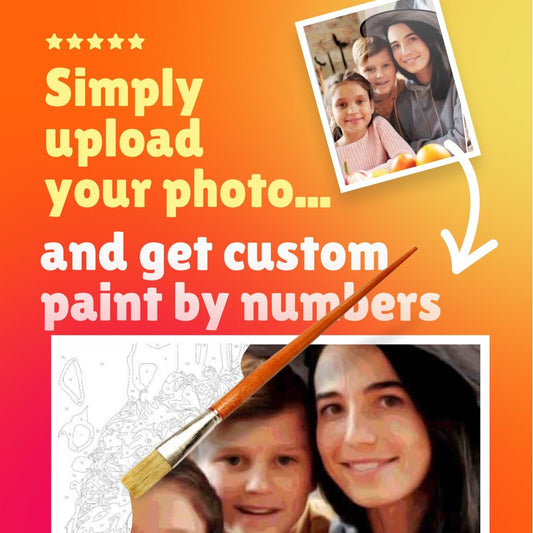
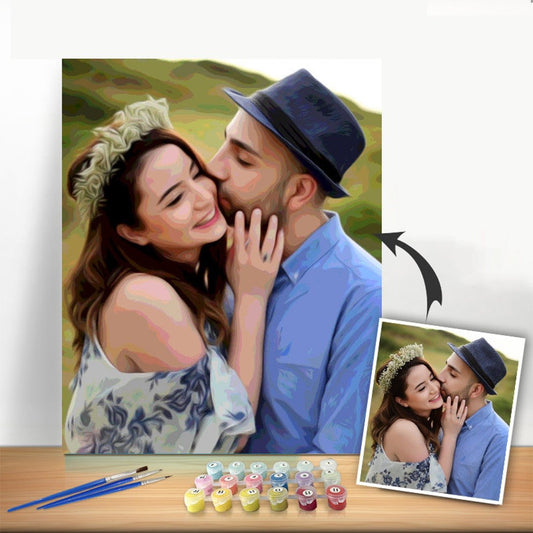
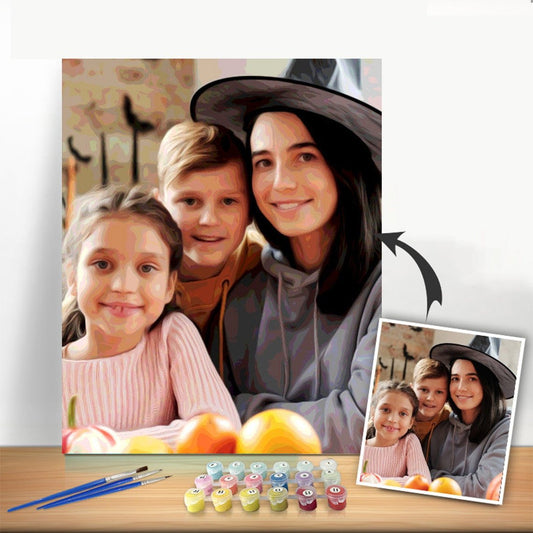
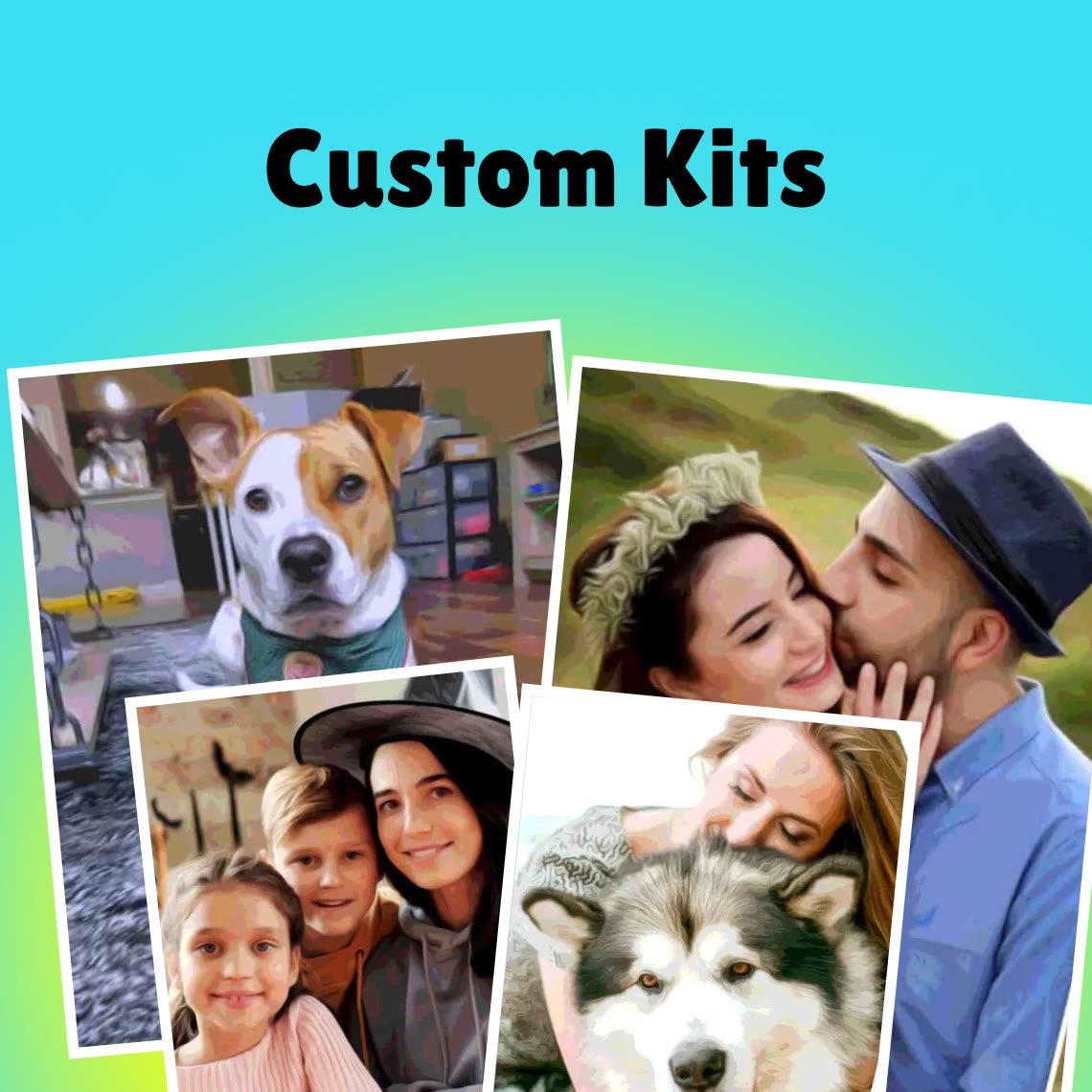
What if a simple craft project could do more than just pass the time? What if it could freeze a perfect family moment and turn it into a piece of art you'll cherish forever? That's where a custom paint by numbers kit goes beyond being just another arts and crafts kit for kids—it becomes a way for your whole family to create something deeply personal, together.
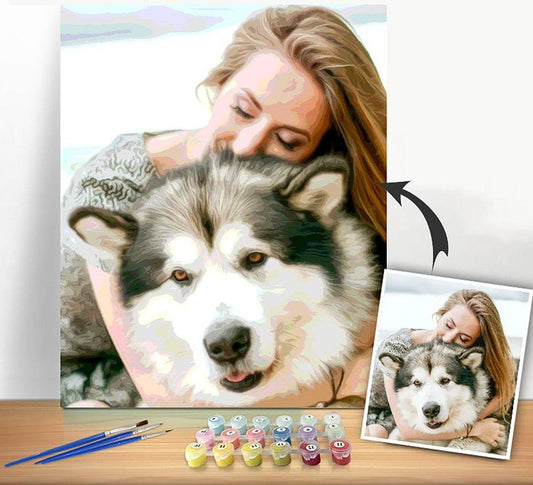
Think about your favorite family photo. It could be that silly snapshot from your last vacation, a candid laugh from a birthday party, or a quiet moment with the family pet. Now, imagine that exact image transformed into a ready-to-paint canvas, with every family member adding their own splash of color to bring it to life.
Suddenly, it’s not just a craft; it's a shared project. A solo hobby becomes a fun exercise in teamwork, resulting in a beautiful keepsake that tells a piece of your family's story. And because it's a paint-by-numbers, the pressure to be a "good artist" vanishes. Everyone from a five-year-old to a grandparent can jump in and contribute with confidence.

Everything You Need in One Box
One of the best things about a custom kit is that it’s all-inclusive. You don't have to run to the store for supplies or stress about mixing the right shade of blue for the sky in your beach photo. Everything you need shows up at your door, ready for a fun, creative family session.
This simple setup removes all the usual friction that can make art projects feel like a chore. You just open the box and start painting. It’s a chance to connect, talk, and build a new memory while you’re busy recreating an old one on canvas. If you're curious about turning your own pictures into art, check out our guide on creating a paint by numbers from photos.
A custom paint-by-numbers kit is more than just paint and canvas; it’s a storytelling tool. It invites you to pause, relive a cherished moment, and work together to preserve it in a tangible, artistic form that can be displayed and enjoyed for years.
What's Inside a Custom Paint By Numbers Kit
So, what exactly do you get? Looking at the contents of the box makes it clear why these kits are such a hit with families. Every piece is designed to make the process easy and rewarding for artists of any age.
This table breaks down exactly what you'll find inside.
| Component | Description | Benefit for Kids & Families |
|---|---|---|
| High-Quality Linen Canvas | A pre-printed canvas with your custom photo outlined and numbered. | No drawing skills are needed! Kids can easily find the numbers and feel a huge sense of accomplishment. |
| Pre-Mixed Acrylic Paints | A complete set of vibrant, non-toxic acrylic paints, all numbered to match. | This completely removes the mess and guesswork of color mixing, making it simple for everyone to get started. |
| Set of Three Brushes | Includes brushes in various sizes to fill in both large areas and tiny details. | Perfect for letting multiple family members paint at once and helps little hands develop fine motor control. |
| Reference Print & Guide | A paper copy of your numbered design to help you keep track of your progress. | It acts like a handy map, which cuts down on frustration and makes it easy for anyone to pick up where someone left off. |
With everything included, the focus shifts from artistic skill to shared fun and teamwork. The finished painting becomes a beautiful, handcrafted reminder of the time you spent creating it together—a true family keepsake.
Setting Up Your First Creative Session for Success
A great craft session doesn't just happen when you open the box. A little bit of prep beforehand can make all the difference, turning a potentially stressful mess into a genuinely fun experience where your child’s creativity can really shine. The whole idea is to create a space where they feel free to experiment and, yes, get a little messy.
First things first: set up a dedicated “creative zone.” This doesn't have to be anything fancy. The kitchen table, a spot on the floor, or even a corner of the living room will do just fine. The trick is to cover it with an old sheet, some newspaper, or a flattened cardboard box. This sends a powerful signal to your kid: it's okay to make a mess here.

Once your space is prepped, unpack the arts and crafts kits for kids and lay everything out. Having all the supplies within easy reach means fewer interruptions and helps your child stay locked into what they’re making.
Your Role as a Creative Coach
During craft time, think of yourself less as a director and more as a supportive coach. It’s so tempting to jump in and “fix” a wobbly line or suggest a different color, but kids learn the most when they figure things out on their own. Your job is simply to cheer them on.
Here are a few pointers on how to be their best creative cheerleader:
- Focus on the Process, Not the Product: Instead of just saying, "That's pretty," try something like, "Wow, you are working so hard on that part!" It praises their effort, not just the result.
- Embrace Imperfection: Let them know there are no mistakes in art, only happy accidents. If the sky is green or the glue is a little goopy, that’s just their unique signature on the piece.
- Be a Curious Observer: Simply sitting with them and showing you're interested in their project makes a world of difference. It shows them their work is important and valued.
The most powerful tool you have is the open-ended question. Ditch the directions and ask things that make them think about their own creation.
Instead of saying, "You should make the sun yellow," try asking, "Can you tell me about the colors you picked?" or "What was your favorite part to make?" This simple shift helps build their confidence as little artists and problem-solvers, making every craft session a win.
Got Questions About Kids Craft Kits? We’ve Got Answers.
Stepping into the colorful world of arts and crafts kits for kids can bring up a few questions. From managing the inevitable mess to keeping your little one engaged, here are some practical answers to common concerns.
How Can I Keep the Crafting Chaos Under Control?
Let's be honest, creativity can get messy! The secret isn't avoiding the mess, but being ready for it. I always recommend setting up a dedicated "creation station." Cover a table with an old tablecloth or some newspaper, and have your child wear an old t-shirt or an apron.
Keep a roll of paper towels or a pack of wet wipes within arm's reach for quick cleanups. When you plan for the mess ahead of time, you can both relax and just enjoy the process without worrying about the aftermath.
What if My Child Gets Frustrated and Gives Up?
It happens to the best of us! If your child wants to quit, it's often a sign that the project is a bit too challenging for their current skill level. First, double-check that the kit is right for their age.
If the kit is a good match, try breaking the project down into smaller, bite-sized pieces. Instead of saying, "Let's finish the whole thing," try something like, "How about we just paint the blue sections today?" Remember to praise their effort along the way—not just the final product. This helps build their confidence and shows them that it's okay to work through a challenge.
When a child gets stuck, it's a perfect teaching moment. It’s an opportunity to show them that it's okay to take a break, try a different approach, or simply celebrate how far they've come.
Which Kits Are Best for a Complete Beginner?
For kids just starting out, you want a kit that offers a quick win. That immediate feeling of "I made this!" is a huge confidence booster and makes them excited to create again.
Here are a few great options for beginners:
- Sticker Mosaics: All the fun of creating a picture with none of the gluey mess. They're fantastic for fine motor skills.
- Rock Painting Sets: A super fun, three-dimensional canvas that’s perfect for simple, bold designs.
- Basic Modeling Clay Kits: Great for sensory play and letting their imagination run wild with simple shapes.
A Custom Paint By Numbers kit is another amazing choice for newcomers. The numbered sections provide a clear roadmap, taking the pressure off of drawing from scratch and guaranteeing a successful and satisfying result.
Ready to turn a favorite photo into a shared masterpiece? Check out Custom Paint By Numbers and design a personalized kit the whole family can enjoy together. Visit us at https://paint-by-number.com to get started.