
When you're trying to figure out how to keep kids busy, it's easy to fall into the trap of just filling the hours. The real win, though, is shifting from simply passing time to creating moments that are actually meaningful and constructive. A simple art project or a DIY challenge can do so much more than fight off boredom—it builds real skills, boosts their confidence, and makes memories that stick.
Why Meaningful Engagement Beats Just Killing Time
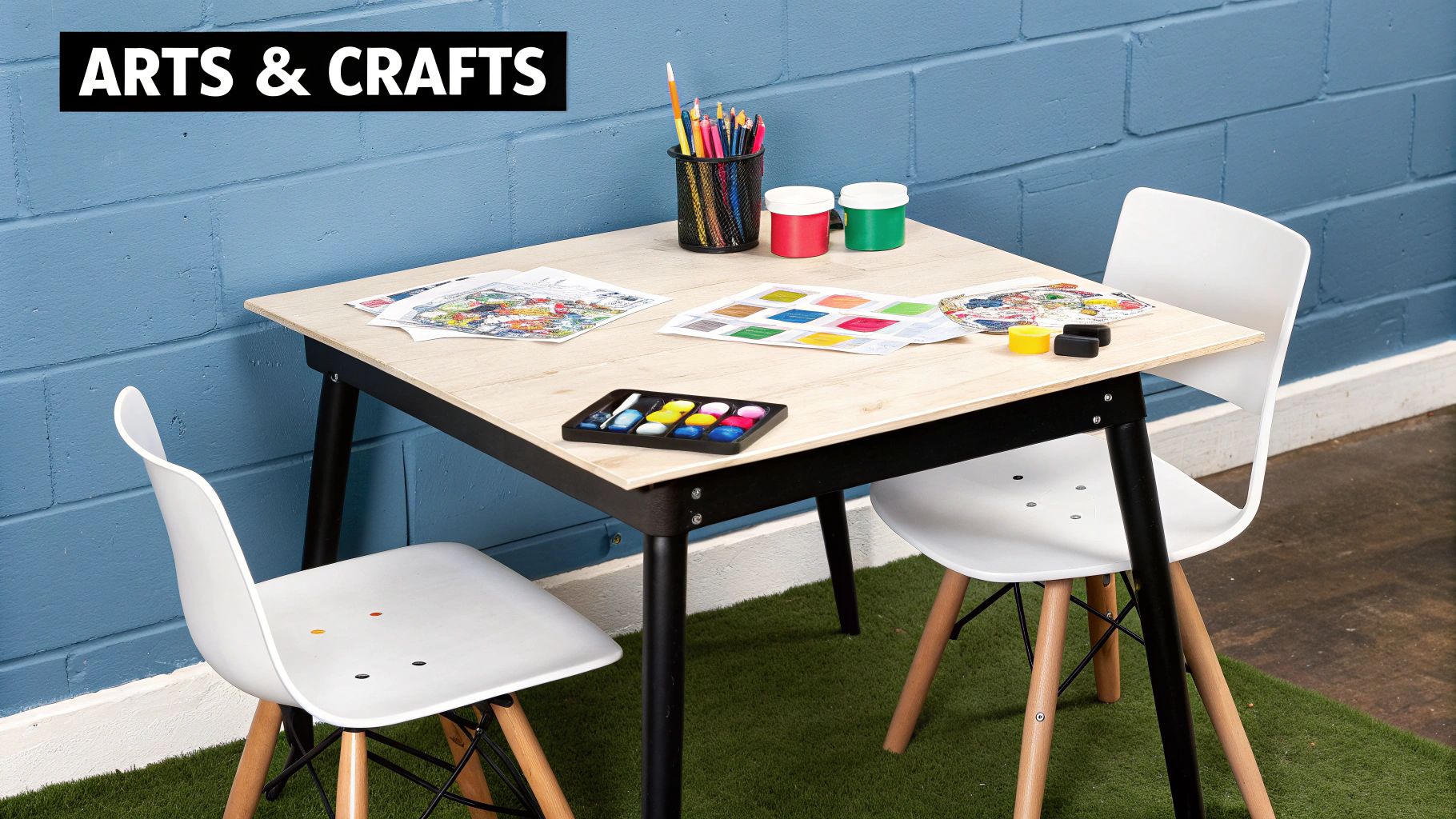
Let’s be honest, the real challenge isn’t just keeping your kids occupied; it’s getting them hooked on something that matters. When you move past the goal of just "preventing boredom," you open up a world of opportunities for genuine connection and growth. Those long, unstructured afternoons can suddenly become some of the most valuable time you spend together.
In today's world, constructive play is more important than ever. Hands-on activities, like a simple painting project, offer way more than a distraction from a screen. They help kids develop crucial fine motor skills, sharpen their focus, and build a sense of pride with every little task they complete.
The Value of Structured Play
We all feel the pull for reliable, screen-free things for our kids to do. Activities that are fun for them and feel worthwhile to us? That's the sweet spot. Think of this guide as your playbook for turning that downtime into something truly purposeful—an investment in your child's development, disguised as fun.
This isn’t just a hunch; there's a real trend toward recognizing how important structured engagement is. Participation in after-school clubs, sports, and other extracurriculars has been climbing for decades. We know these activities have a positive ripple effect on everything from school motivation and social skills to self-esteem.
The goal is to build a go-to list of activities that enrich, not just entertain. When you focus on quality engagement, you're laying a foundation for curiosity, creativity, and resilience that will serve them for life.
Finding Activities for Every Age Group
Of course, finding the right fit is everything. For the little ones, something as simple as a sensory bin or a set of building blocks can work wonders for their developing minds.
As they get older, their interests naturally change. For pre-teens and teenagers, getting lost in a captivating story can provide hours of meaningful engagement. You could explore some popular YA book series to find their next obsession. The secret is to match the activity to their developmental stage and what genuinely sparks their interest, keeping them challenged and excited.
Unlock Focus and Fun with Paint By Numbers
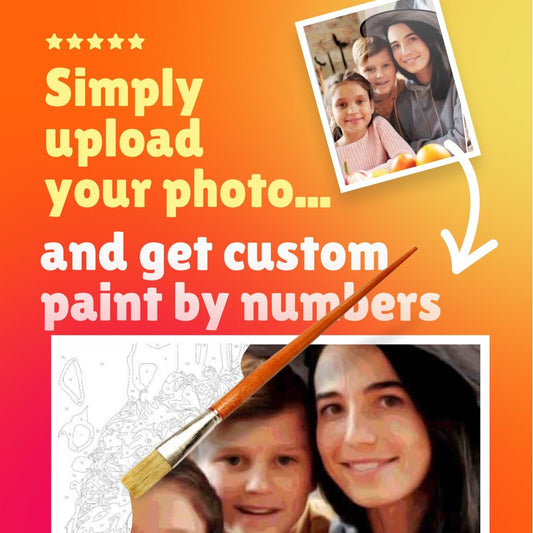
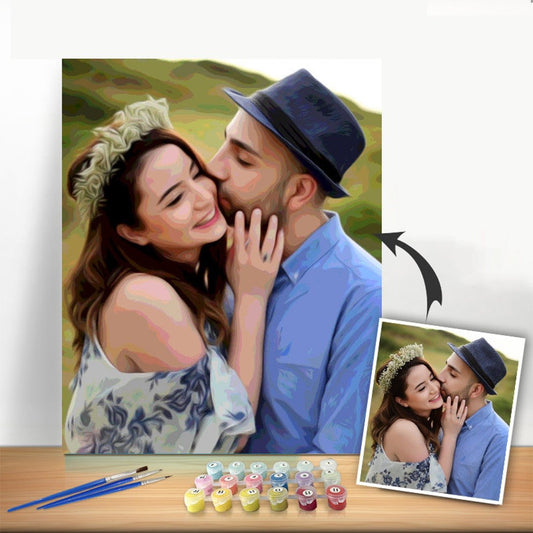
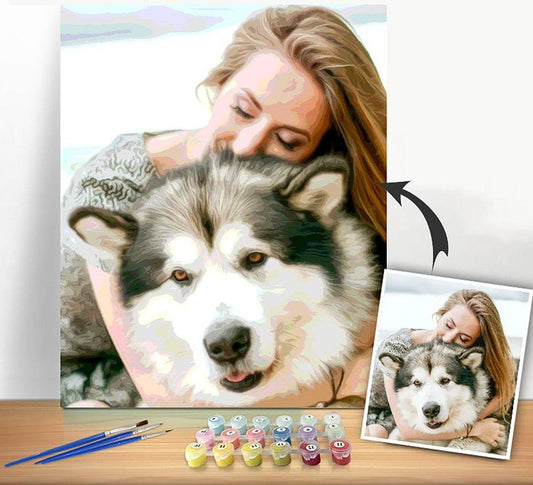
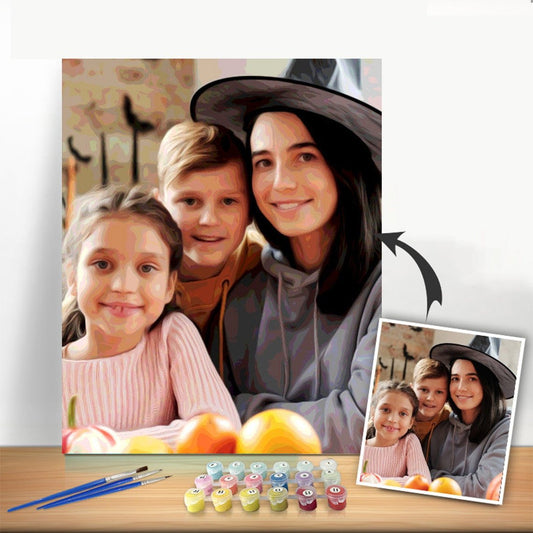
If you're on the hunt for an activity that can truly capture your child's attention, paint-by-number kits are a game-changer. I’ve found they strike that perfect balance between structured guidance and creative freedom, helping kids see a project through from start to finish. It’s more than just painting; it's a quiet lesson in patience and seeing things through.
The real beauty is in its simplicity. Every numbered section on the canvas matches a specific paint color, which takes away the "blank canvas" intimidation factor that can stump even adults. This step-by-step process builds a child's confidence as they watch a cool, complex image emerge right from their own hands.
Nothing beats the look on a kid's face when they finish their painting. That sense of accomplishment is huge—it's a tangible piece of art they created with focus and effort, and they can't wait to hang it up. That self-esteem boost is one of the best parts of this wonderfully calming hobby.
Choosing the Right Paint-By-Number Kit
Not all paint-by-number kits are the same, and picking the right one is crucial for keeping your child excited about the project. A kit that's too complex can be frustrating, while one that's too simple might be boring.
This table offers a quick guide to help you find the perfect match based on your child's age and experience.
| Age Group | Recommended Kit Features | Activity Goal |
|---|---|---|
| Toddlers (3-5) | Large, simple shapes with 3-5 colors. Chunky brushes and easy-grip paint pots. | Develop fine motor skills and color recognition. |
| Early Elementary (6-8) | Moderately detailed designs with 10-15 colors. Familiar themes like animals or cartoons. | Build patience and improve hand-eye coordination. |
| Pre-Teens (9-12) | More intricate patterns with a wider color palette (20+ colors). Advanced themes. | Encourage focus, detail orientation, and artistic confidence. |
Think of it as finding the "just right" challenge. The goal is to provide a rewarding experience that feels both achievable and satisfying.
For even more ideas, check out our guide on the best indoor activities for kids.
A Little Tip From Experience: Set up a dedicated "art zone" before you start. An old tablecloth or some newspaper makes cleanup a breeze. Have a cup of water for rinsing brushes and a paper towel handy. Getting this sorted out first lets your child dive right into the fun without any fuss.
How to Guide Without Taking Over
It can be tempting to jump in and "help," but the best thing you can do is be their cheerleader. Your role is to offer encouragement, not to direct their every brushstroke.
So what if they paint outside the lines a little? It’s their masterpiece. Celebrate their progress, help them find the right paint pot if they get stuck, and let them own the process. This builds independence and ensures the final piece of art is truly and uniquely theirs.
2. Make Your Own Boredom Buster Jars
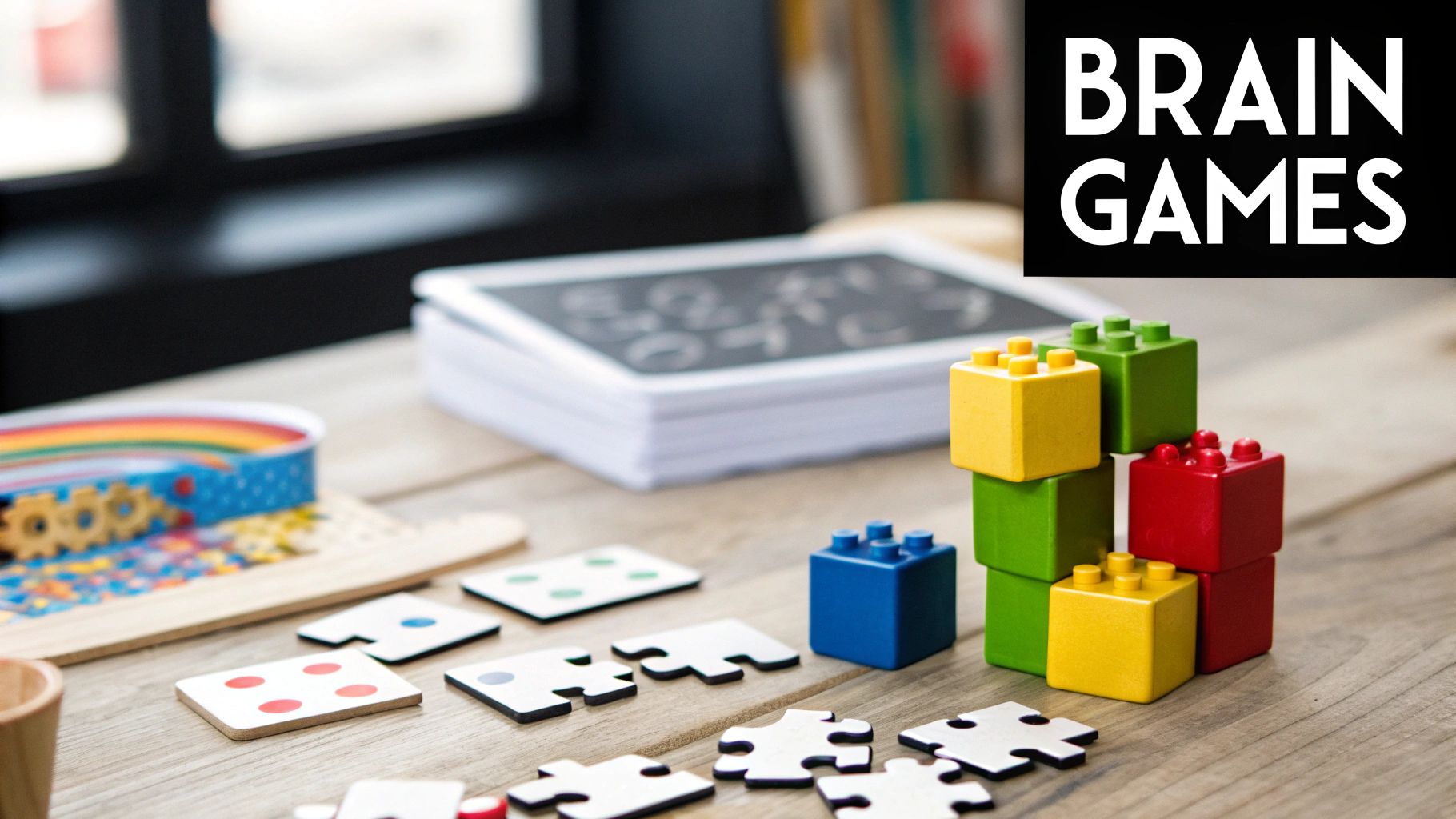
We’ve all heard it. That familiar whine of "I'm boooored!" that seems to echo through the house just when you need a quiet moment. What if you had an instant, screen-free solution ready to go?
Enter the "boredom buster" jar. It’s a wonderfully simple concept that puts the power of play right back in your kids' hands.
Getting started is half the fun. Find an old mason jar, a coffee can, or any container you have lying around. Let the kids go wild decorating it with paint, glitter, stickers—whatever they like. This little craft project gives them a sense of ownership over their new jar of fun.
Next, it's time to fill it up! The idea is to write dozens of easy, low-prep activities on popsicle sticks or slips of paper. Whenever boredom strikes, your child just pulls one out and, voilà, instant activity.
What to Put in Your Jar
I’ve found that color-coding the sticks by category is a game-changer. It helps your kid pick an activity that matches their mood and energy level.
- Creative Prompts (Yellow Sticks): For sparking their inner artist. Think "build an epic pillow fort," "write and illustrate a one-page comic," or "draw our house from memory." You can get more ideas from these art projects for beginners to add to the jar.
- Active Prompts (Green Sticks): When they need to get the wiggles out. Try things like "have a 5-minute dance party to your favorite song," "create a backyard obstacle course," or "see how many times you can run to the end of the driveway and back."
- Quiet Prompts (Blue Sticks): Perfect for winding down. Ideas like "read a chapter of a book in a cozy spot," "work on a puzzle together," or "listen to a podcast" are great for these moments.
This simple jar does more than just solve boredom. It teaches kids how to be resourceful and independent, turning a dull moment into a genuine opportunity for creative play.
A boredom buster jar is a fantastic, ever-changing list of fun that costs next to nothing to make. It's your secret weapon for keeping things fresh and turning "I'm bored" into "What's next?"
Turn Your Kitchen into a Science Lab
You really don't need a lab coat or a bunch of expensive equipment to get your kids excited about science. Honestly, your kitchen is already a treasure trove of supplies for some seriously cool experiments.
This is the perfect way to explore STEM concepts in a hands-on way, showing kids how totally normal, everyday items can create some pretty amazing reactions. It’s a fantastic way to keep them busy while sneaking in some learning.
The best part? These activities spark that natural curiosity and help answer the big "why" behind the "wow," all before it’s time to clean up for dinner. Let’s jump into a couple of classic projects that are always a hit.
The Classic Baking Soda Volcano
This one is more than just an experiment; it's a rite of passage for at-home scientists! It’s ridiculously easy to set up and delivers an impressive, foamy eruption every single time.
- Build Your Volcano: Grab a small plastic bottle and set it on a baking sheet or tray to catch the mess. For extra fun, you can build a volcano shape around it using playdough or even just dirt if you're doing this outside.
- Mix the "Magma": Fill the bottle about halfway with warm water, a few drops of dish soap, and some red food coloring. Then, stir in two tablespoons of baking soda.
- Make it Erupt! When everyone’s ready for the big show, pour in a splash of vinegar and watch it foam over the top.
That awesome fizzing eruption is just a simple chemical reaction between the baking soda (a base) and the vinegar (an acid). They mix and release carbon dioxide gas, creating all those bubbles.
Mesmerizing DIY Slime
Making slime is one of those fantastic sensory activities that just feels like pure magic to kids. The process of turning simple liquids into a gooey, stretchy substance is totally captivating.
Mixing cornstarch and water creates what's called a "non-Newtonian fluid." This stuff is wild—it acts like a liquid when you pour it but feels like a solid when you squeeze it. It’s a super playful way to introduce a pretty fascinating physics concept.
For the simplest recipe, just mix cornstarch with water until you get a consistency you like. A few drops of food coloring make it even more fun. It’s a guaranteed win for keeping little hands and minds engaged.
Navigating the After-School Activity Boom
If you’ve ever scrolled through social media and felt like every other kid is signed up for a dozen different after-school activities, you’re not just imagining it. There's been a massive shift toward structured, enriching programs to fill those crucial hours between school and dinner.
This isn’t just a passing trend; it’s a booming industry. The global market for after-school programs is expected to skyrocket, climbing from $31.21 billion in 2025 to a staggering $61.59 billion by 2032. That explosion shows just how much parents are prioritizing purposeful activities for their kids.
Finding That Balance at Home
Here’s the good news: you don't need a jam-packed schedule or pricey classes to give your kids those same benefits. The ideas we're sharing here, from focused art projects like paint-by-numbers to creative DIY learning jars, bring that enriching environment right into your home—minus the cost and the commute.
These at-home activities offer the same sense of accomplishment and skill-building you’d find in a formal program. For parents who are co-parenting, keeping track of who is doing what and when can get complicated, but using a co-parenting calendar app can make coordinating everything much simpler.
The real goal is finding a little peace and connection in those after-school hours. Meaningful engagement at home builds focus and creativity, proving you already have powerful tools right at your fingertips.
It's also interesting to see how the benefits of calming, focused art span across all ages. We see similar advantages in older adults, which you can read about in our article on paint-by-numbers for seniors.
Your Questions About Keeping Kids Busy Answered
Even with the best-laid plans, keeping kids happily occupied can throw you a curveball. It’s one thing to have a list of ideas; it's another to handle the real-world challenges that pop up daily.
Let’s tackle a couple of the most common hurdles parents run into, from budget worries to the classic sibling-gap dilemma.
How Can I Find Affordable Activities?
This is a big one. Finding things for kids to do that don’t break the bank is a constant challenge for most families. Organized after-school programs are fantastic, but the cost can be a serious roadblock.
It's a surprisingly common issue. While 94% of parents are incredibly happy with these programs, a staggering 57% say the price tag is just too high. You’re definitely not alone in feeling that pinch.
But here’s the good news: some of the best, most memorable activities are either cheap or completely free.
- DIY Boredom Jars: We talked about this earlier, and it’s a winner for a reason. A simple jar with handwritten activity slips costs virtually nothing to make.
- Kitchen Science: You’d be amazed at what you can do with stuff already in your pantry. Baking soda, vinegar, and food coloring can create a volcano of fun.
- Backyard Adventures: Don't overlook the simple joy of the outdoors. Building a blanket fort, creating a DIY obstacle course, or just playing a classic game of tag costs nothing but time.
What About Activities For Siblings With Big Age Gaps?
Trying to entertain a five-year-old and a twelve-year-old with the same activity? It can feel like you’re setting yourself up for failure, but the trick is finding activities that scale.
Paint-by-number kits are a perfect example. Your little one can work on a simple design with big, easy-to-paint sections, while your older kid can dive into a more intricate canvas that challenges their focus. They’re doing the same thing, but at their own level.
The secret is finding activities where everyone can contribute to a shared experience. Think collaborative storytelling where each person adds a sentence, or cooking a meal together where everyone gets an age-appropriate job.
This strategy is a lifesaver for special events, too. You can find some unforgettable birthday party entertainment ideas that work for a mix of ages, ensuring everyone feels included. It’s all about connection, not perfection.
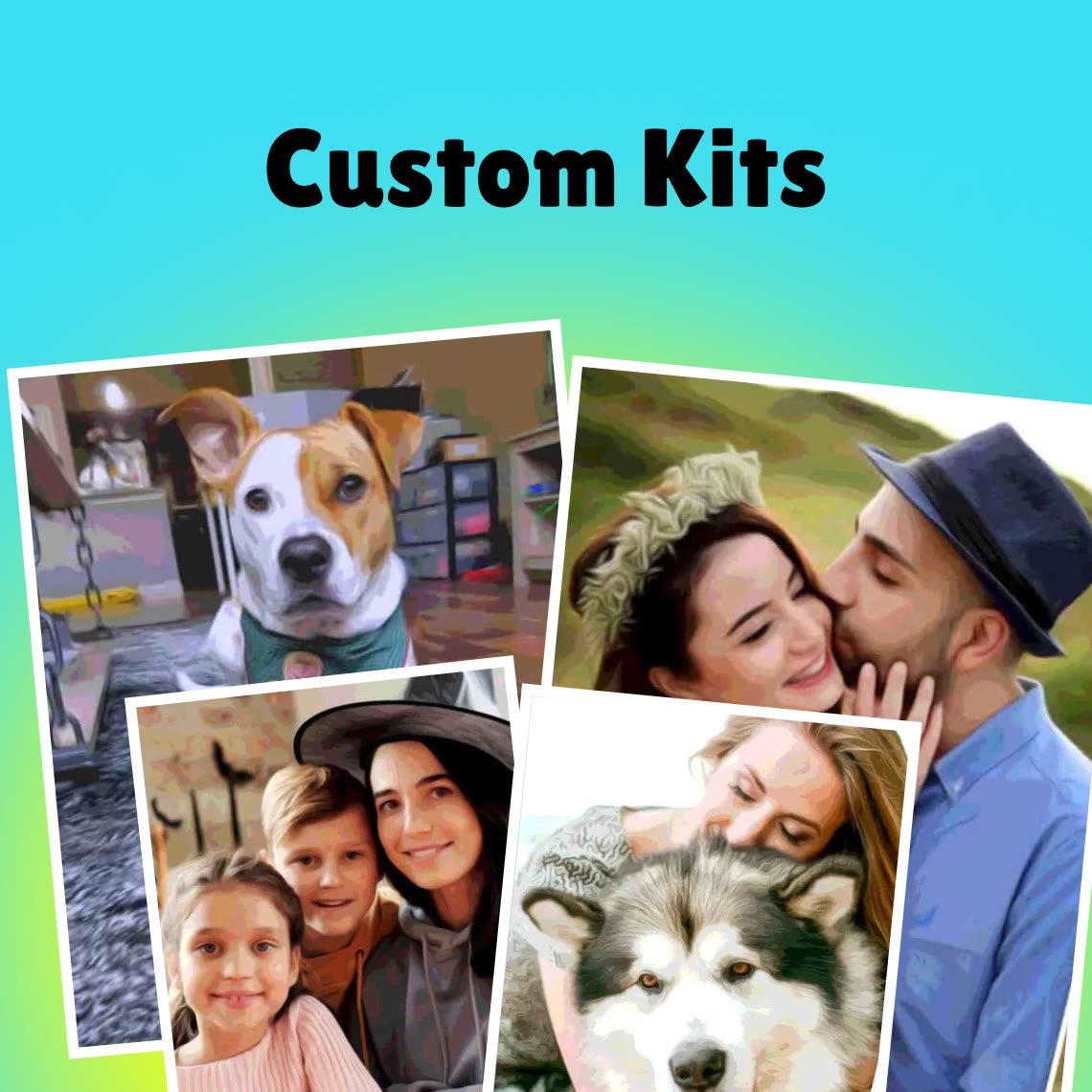
Ready to turn a favorite photo into a work of art or browse hundreds of creative designs? Head over to Custom Paint By Numbers and grab the perfect kit for hours of focused, screen-free fun. https://paint-by-number.com